
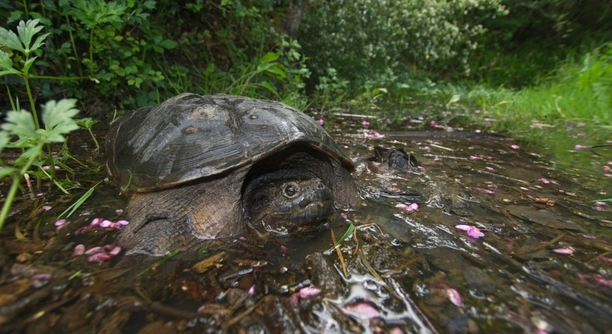
Common snapping turtles are fascinating creatures, but keeping them in the right environment is crucial for their well-being. One of the most important factors is temperature, which can affect their health if not properly managed.
A snapping turtle’s tank temperature can be too high if it consistently exceeds 80°F (27°C), leading to stress, dehydration, and health issues. It’s essential to monitor and regulate the tank’s temperature to maintain a safe and comfortable environment for your turtle.
Understanding how temperature impacts your turtle’s behavior and health is key to preventing these issues. Let’s explore how to identify and manage a tank temperature that may be too high for your snapping turtle.
Why Tank Temperature Matters for a Snapping Turtle
When it comes to the well-being of a snapping turtle, temperature plays a critical role. These turtles are cold-blooded, meaning their body temperature is regulated by their environment. If the tank temperature is too high, they can become stressed, dehydrated, or even suffer from heatstroke. A high tank temperature forces them to overheat, affecting their ability to digest food and move around comfortably. Snapping turtles are also at risk for kidney problems and other health issues when exposed to excessive heat. For their safety, keeping the tank at a comfortable and stable temperature is essential.
A consistent temperature between 75°F and 80°F (24°C to 27°C) is ideal for most snapping turtles. It helps maintain their energy levels and overall health.
If the temperature regularly exceeds these levels, it’s important to take quick action to cool down the environment. This can prevent the development of serious health problems over time.
Signs Your Snapping Turtle’s Tank Is Too Hot
If you notice that your snapping turtle is behaving unusually, it could be due to a temperature issue. Heat stress often shows in the form of lethargy or excessive basking. When the tank is too hot, turtles may stay out of the water to cool down or appear sluggish. Another clear sign is if your turtle starts spending more time near the filter or water flow, which can help them regulate their body temperature. Also, watch for signs of dehydration, like sunken eyes or dry skin.
To prevent overheating, ensure your turtle’s tank has the right heating elements and is properly ventilated. Keep a thermometer in the tank to track the temperature regularly, as sudden spikes can go unnoticed.
It’s crucial to provide a stable environment for your snapping turtle. They rely on consistent conditions to thrive, and changes in temperature can stress them out quickly. Along with a good filtration system, make sure the tank offers a variety of temperature zones, including cooler spots for your turtle to retreat to when necessary.
How to Cool Down an Overheated Tank
If your snapping turtle’s tank temperature is too high, it’s important to act fast. The first step is to adjust the heater, if there is one, and unplug it temporarily to lower the temperature. You can also open the tank lid to allow heat to escape and help cool the water.
Additionally, adding cool water can help bring the temperature down gradually. Be cautious, though, and avoid sudden temperature changes as this can stress your turtle further. If you’re using a heat lamp, consider lowering the intensity or moving it farther from the tank to avoid direct heat.
It’s also a good idea to invest in a reliable aquarium chiller if your turtle tank tends to heat up quickly. These devices can help maintain a stable temperature. Just be sure the chiller is appropriate for the size of your tank, as some models may not be efficient enough for larger setups.
Preventing Temperature Fluctuations
Keeping your snapping turtle’s tank at the right temperature requires constant monitoring. Invest in a good thermometer that can help you track both the water temperature and the air temperature. Regular checks will allow you to make adjustments before the temperature gets too high or too low.
Having a reliable filtration system is also important. A good filter can help regulate the tank’s temperature by maintaining proper water circulation, preventing heat pockets from forming. Additionally, make sure to adjust the lighting cycle, as long exposure to bright lights can increase the overall temperature of the tank.
With a little attention to these details, you can create a stable, comfortable environment for your snapping turtle. Over time, consistent monitoring and maintenance will prevent any unexpected spikes in temperature.
The Importance of Proper Tank Size
Choosing the right tank size is crucial for keeping the temperature stable. A tank that is too small will heat up quickly, making it harder to control the temperature. A larger tank gives you more room for temperature regulation and better water circulation.
With a bigger tank, the heat will distribute more evenly, and it will be easier to maintain a comfortable environment for your snapping turtle. You can also add more hiding spots or cool areas for them to retreat to when needed.
Using a Tank Thermometer
A thermometer is essential to ensure the temperature stays within the safe range for your snapping turtle. Without one, it’s easy to overlook dangerous temperature spikes.
By using both a water and air thermometer, you can accurately track fluctuations and make timely adjustments to the tank. This simple tool will give you peace of mind and help protect your turtle.
Keeping the Water Clean
Water quality is another factor that influences the temperature in the tank. Dirty water can trap heat and cause the temperature to rise.
Regular cleaning of the tank and changing the water will not only improve the temperature control but also keep your turtle healthy.
FAQ
What is the ideal temperature for a snapping turtle’s tank?
The ideal temperature for a snapping turtle’s tank should be between 75°F and 80°F (24°C to 27°C). It’s important to monitor the water temperature regularly, as this range allows the turtle to thrive. Temperatures below or above this range can lead to stress or health issues for your turtle.
How do I know if my snapping turtle is too hot?
If your snapping turtle is too hot, it may become lethargic or stay out of the water, trying to cool off. You might also notice it spending more time near the filter or water flow, trying to escape the heat. Dehydration signs, like sunken eyes, can also indicate overheating.
Can a tank be too big for a snapping turtle?
While larger tanks give your turtle more space, they can be difficult to heat properly. However, as long as the temperature is being monitored and the heater is sufficient for the tank size, a larger tank should not cause problems. Just make sure to maintain good circulation and water quality.
How often should I check the temperature in the tank?
You should check the temperature in your snapping turtle’s tank at least once a day, especially if you are using heat lamps or heaters. Consistent monitoring ensures you catch any temperature fluctuations early and adjust accordingly to maintain a healthy environment for your turtle.
Can a heat lamp make the tank too hot?
Yes, heat lamps can make the tank too hot if they are too close to the water or are left on too long. It’s important to place the heat lamp at an appropriate distance and ensure it is providing only the necessary amount of warmth. If the tank gets too hot, consider adjusting the lamp or replacing it with a less intense one.
How do I cool down a tank that’s too hot?
If the temperature in your snapping turtle’s tank is too high, you can cool it down by adjusting or turning off the heater and opening the tank lid to let heat escape. Adding cool water slowly can also help, but avoid drastic temperature changes. If the tank continues to overheat, consider getting a tank chiller.
How do I maintain stable water temperature?
Maintaining stable water temperature is key. To do so, use a good-quality aquarium heater suitable for the tank size, and place a thermometer in both the water and air. Avoid placing the tank in direct sunlight or near heat sources, as these can cause fluctuations. A well-ventilated tank also helps maintain stable temperature.
Should I use a tank chiller for my snapping turtle’s tank?
A tank chiller can be useful if you live in a hot climate or have difficulty keeping your turtle’s tank at the proper temperature. A chiller helps regulate water temperature more precisely, especially in large tanks or tanks with heavy lighting. Ensure that the chiller you buy is appropriate for the size of your tank.
What happens if the tank temperature is too low?
If the tank temperature is too low, your snapping turtle may become sluggish, have trouble digesting food, and even develop health problems. Cold temperatures can also cause respiratory issues or reduce their immune function. Keeping the water temperature within the ideal range is crucial for their overall health.
Can I use a fan to cool down the tank?
A fan can help to cool down the air around the tank, but it’s not very effective in lowering the water temperature. If you use a fan, ensure it doesn’t blow directly on the water, as this could cause rapid evaporation. Instead, a tank chiller or adjusting the heater is a better method.
How does water flow affect temperature regulation?
Water flow helps distribute heat more evenly throughout the tank, preventing hot spots. Good water circulation also helps maintain proper oxygen levels, which is important for your turtle’s health. If the tank has low water flow, it may cause some areas to heat up more than others.
What type of filter should I use for temperature regulation?
A good filtration system promotes healthy water circulation and helps regulate temperature by keeping the water flowing evenly. Canister filters and hang-on-back filters are popular options for larger tanks. Be sure to choose a filter appropriate for the size of your tank to ensure optimal water movement and temperature control.
Can temperature affect my turtle’s appetite?
Yes, temperature can affect your snapping turtle’s appetite. If the water is too hot or too cold, your turtle might not feel hungry or may have difficulty digesting food. Keeping the tank temperature in the ideal range can help regulate your turtle’s feeding schedule and overall energy levels.
How can I keep my turtle’s environment consistent?
To maintain consistency, ensure that your tank has a reliable heating system and a thermometer to monitor temperature regularly. Avoid placing the tank near windows or in direct sunlight, as this can cause fluctuations. If possible, use timers for lighting and heating to maintain a consistent day-night cycle.
Can snapping turtles tolerate temperature changes?
Snapping turtles can tolerate some temperature changes, but large or rapid fluctuations can cause stress. Sudden changes in temperature can weaken their immune system or make them more prone to illness. A stable environment is the best way to keep your turtle healthy and active.
Final Thoughts
Ensuring that your snapping turtle’s tank temperature stays within the ideal range is crucial for its overall health and well-being. Turtles are cold-blooded creatures, meaning they rely on their environment to regulate their body temperature. A tank that is too hot or too cold can cause stress and health issues, affecting everything from their appetite to their immune system. Monitoring and adjusting the temperature regularly helps create a comfortable space where your turtle can thrive. This simple step can go a long way in preventing serious problems and promoting a long, healthy life for your pet.
Aside from monitoring the temperature, keeping the tank clean and providing a good filtration system are also key factors in your turtle’s care. Dirty water can cause temperature fluctuations and create unhealthy living conditions, while a good filter will ensure proper circulation and oxygenation of the water. It’s also important to use a thermometer to keep track of the water and air temperature in the tank. By staying on top of these factors, you create a stable environment that supports your snapping turtle’s health. It might take a little effort and attention, but it’s worth it to make sure your turtle stays healthy and comfortable.
When it comes to temperature control, prevention is easier than correction. By investing in the right equipment—such as a reliable heater, thermometer, and filter—you can avoid the problems associated with an overheated or underheated tank. Additionally, maintaining the right tank size and ensuring proper ventilation will further help regulate the temperature. These small, consistent steps will help you keep your snapping turtle in the best possible environment, leading to a more enjoyable and worry-free experience for both you and your pet.

Hello,
If you enjoy the content that we create, please consider saying a "Thank You!" by leaving a tip.
Every little bit helps us continue crafting quality advice that supports the health, happiness, and well-being of pets around the world, for pets of all shapes, sizes, and species.
We really appreciate the kindness and support that you show us!