
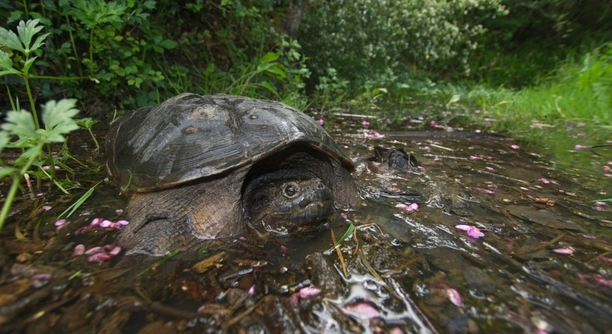
Some turtles may develop the habit of biting their own limbs, a behavior that can cause harm. This can happen for various reasons, including stress or medical issues. Understanding how to stop this behavior is essential for their well-being.
To stop a common snapping turtle from biting its own limbs, it is important to address potential stressors and improve its environment. Ensuring proper diet, sufficient space, and appropriate water conditions can help reduce self-inflicted harm and promote healthier behavior.
There are a few ways to prevent this behavior. Providing the right care and environment for your snapping turtle will not only help resolve this issue but also enhance its quality of life.
1. Create a Calm and Comfortable Environment
Stress is one of the main reasons snapping turtles bite their own limbs. A stressed turtle may bite itself as a way to cope with discomfort. To help reduce stress, provide a quiet, calm space for your turtle. Make sure its enclosure is large enough for it to move around freely. A cramped space can lead to anxiety and increase the likelihood of self-biting. Also, avoid sudden loud noises or quick movements around its habitat, as this can further stress your turtle.
Providing a safe and peaceful environment will allow your turtle to feel secure and less inclined to harm itself.
Besides space and quiet surroundings, proper water conditions are equally important. Snapping turtles need clean, fresh water to stay healthy. If the water is too dirty or the temperature is off, it can make your turtle uncomfortable and more likely to engage in harmful behaviors. Regularly changing the water and maintaining the right temperature can go a long way in preventing these issues.
2. Focus on a Balanced Diet
A poor diet can contribute to unusual behavior in snapping turtles. If they’re not getting enough nutrients, they may become agitated or resort to self-biting. Be sure to feed your turtle a variety of foods, including vegetables, protein, and calcium supplements. Avoid overfeeding, as obesity can also lead to stress.
A healthy, balanced diet is essential for keeping your snapping turtle in good physical and mental condition. It helps prevent malnutrition and keeps the turtle’s body strong enough to handle its environment properly.
3. Ensure Proper Lighting and Temperature
If the temperature and lighting are not right, your turtle may feel unwell, leading to self-biting. Snapping turtles need natural light to regulate their internal clocks. A proper UVB light is essential to help them process calcium and stay healthy. Ensure your turtle has access to both warmth and cool areas in its habitat to regulate its body temperature.
Inconsistent lighting can make your snapping turtle confused and stressed. Without the proper heat, it may not be able to digest food properly or even move around comfortably. A basking area with a UVB lamp and heat source will help your turtle thrive.
A well-lit environment is crucial for a snapping turtle’s overall health. Besides promoting calcium absorption, it also supports its immune system. A stable temperature range and adequate lighting conditions will help the turtle feel more secure, which reduces the chances of it resorting to self-biting due to discomfort or confusion.
4. Avoid Overcrowding the Tank
Crowded environments can lead to aggression and stress in snapping turtles. When multiple turtles share a small space, they can become territorial, leading to fights and anxiety. This type of stress may cause a turtle to bite its own limbs. To prevent overcrowding, make sure your tank is large enough to accommodate all the turtles comfortably.
Each turtle requires its own space to swim, bask, and hide. Without enough room, snapping turtles may feel threatened and start biting as a defense mechanism or out of frustration. Providing enough space for each turtle to establish its own area is key to reducing stress and aggressive behavior.
If you keep more than one turtle, be sure to monitor their interactions closely. Sometimes, one turtle may be more dominant, leading to stress for the others. Even with enough space, some turtles may not get along well and may need to be housed separately to prevent harm.
5. Provide Enrichment and Stimulate Natural Behaviors
Boredom can lead to stress and unwanted behaviors in snapping turtles. Offering items like rocks, plants, or safe hiding spots can help keep your turtle entertained. These objects encourage natural behaviors like foraging and exploring. Without enrichment, your turtle might resort to biting itself as a form of stimulation.
A simple change like adding new objects or rearranging the tank can keep your turtle active and curious. Snapping turtles enjoy digging, hiding, and climbing. Providing them with these opportunities can reduce the likelihood of self-biting and improve their quality of life.
By adding enrichment to the environment, you also help your turtle feel more connected to its natural instincts. The more mental and physical stimulation it receives, the less likely it is to engage in stress-related behaviors. Keep in mind that variety is key—switching things up regularly will keep your turtle engaged.
6. Regular Health Checks
Snapping turtles might bite their limbs due to underlying health problems. Infections, parasites, or even shell deformities can cause discomfort. A healthy turtle is less likely to engage in self-destructive behaviors, so regular health checks are vital. If you notice anything unusual, visit a vet for an assessment.
Keeping track of your turtle’s health ensures that any issues are caught early before they lead to stress-related behaviors like self-biting. A quick check on its skin, shell, and overall movement will help you stay on top of its condition.
7. Control Feeding Habits
Sometimes, snapping turtles bite themselves out of frustration during feeding time. Overfeeding or providing food that’s hard to digest can cause discomfort and stress. Stick to a routine and provide a well-balanced diet. This helps your turtle stay healthy and reduces the chance of stress during feeding.
FAQ
What causes a snapping turtle to bite its own limbs?
Snapping turtles may bite their own limbs due to stress, poor living conditions, or health problems. Stressors like overcrowding, improper water conditions, or lack of enrichment can trigger this behavior. Additionally, injuries, infections, or discomfort caused by an unbalanced diet may lead to self-biting. It’s important to assess the environment and health of the turtle to pinpoint the exact cause.
How can I reduce stress for my snapping turtle?
Reducing stress involves providing a calm, spacious environment with proper lighting and temperature. Snapping turtles need access to clean water, a basking area, and hiding spots. Avoid overcrowding and provide regular food that meets nutritional needs. Monitoring the turtle’s behavior and making adjustments to its habitat can significantly reduce stress.
How do I know if my snapping turtle is unhealthy?
Signs of an unhealthy snapping turtle include changes in appetite, lethargy, swelling, or visible wounds on its limbs or shell. If your turtle is not eating, appears weak, or is having difficulty moving, it’s best to consult a vet. Regular checks of the turtle’s skin, eyes, and shell can help detect health issues early.
Can poor diet lead to snapping turtles biting themselves?
Yes, an unbalanced diet can cause stress or physical discomfort, leading to self-biting. If a snapping turtle is not getting enough calcium, protein, or other nutrients, it may start showing abnormal behaviors. Ensuring a balanced diet with the right nutrients is essential to keeping your turtle healthy and preventing self-inflicted harm.
What temperature is ideal for a snapping turtle?
Snapping turtles require a range of temperatures to stay healthy. The water should be between 70-75°F (21-24°C), while the basking area needs to be around 85-90°F (29-32°C). Proper heat sources and UVB lighting help with digestion, calcium absorption, and overall well-being. Keeping the tank’s temperature within the right range reduces the chance of self-biting.
Can snapping turtles bite their own limbs due to boredom?
Yes, boredom is a common factor in this behavior. Snapping turtles are naturally curious and active animals. Without stimulation, they may resort to self-destructive actions like biting their limbs. Providing enrichment such as rocks, plants, or safe hiding spaces can help keep the turtle entertained and engaged.
Is it safe to keep multiple snapping turtles in the same tank?
It depends on the space and compatibility between the turtles. Snapping turtles are solitary creatures and can become aggressive toward each other, especially in confined spaces. If you do keep multiple turtles, ensure the tank is large enough and there are separate basking spots and hiding places. Monitor their interactions closely to avoid fights or stress.
How often should I change the water for my snapping turtle?
It’s recommended to change the water at least once a week, but the frequency can depend on the size of the tank and the number of turtles. Keeping the water clean is vital to preventing infections and ensuring your turtle remains comfortable. Regular filtration and partial water changes are also essential for maintaining a healthy environment.
What are some signs of aggression in snapping turtles?
Aggressive snapping turtles may display behaviors such as lunging, snapping, or attempting to bite. They may also exhibit territorial behaviors, especially if they feel crowded. Aggression can be triggered by stress, health issues, or incompatible tank mates. It’s essential to observe their behavior and separate them if necessary.
Can a snapping turtle bite its own limbs if it’s not getting enough exercise?
Yes, lack of physical activity can contribute to stress and abnormal behaviors like self-biting. Snapping turtles need enough space to swim, forage, and explore. A lack of exercise can make them restless and more likely to bite their limbs. Ensure that your turtle’s enclosure allows for adequate movement and exploration.
Should I be concerned if my snapping turtle bites itself occasionally?
Occasional self-biting may not be an immediate concern, but repeated or excessive biting is a sign of underlying stress or health issues. It’s important to observe the turtle’s behavior over time and make adjustments to its environment or diet if needed. If the behavior persists, a vet consultation is recommended.
What should I do if I find a wound from self-biting?
If you notice a wound from self-biting, it’s important to clean the area gently with water and possibly a mild antiseptic. You should also monitor the injury for signs of infection. If the wound does not heal or gets worse, consult a vet for appropriate treatment.
Final Thoughts
Understanding why a snapping turtle may bite its own limbs is crucial for providing the right care. Stress, poor living conditions, and health problems are common causes of this behavior. By creating a calm, clean, and spacious environment, you can help your turtle feel safe and secure. Proper lighting, temperature control, and a balanced diet are also essential for reducing stress and promoting better behavior. Regular health checks ensure that any potential health issues are caught early, preventing more serious problems down the line.
Providing your snapping turtle with enrichment and opportunities for natural behaviors is another important step in stopping self-biting. Without things to do, like hiding spots or climbing areas, your turtle might get bored and resort to harmful actions. It’s important to offer a variety of objects and regularly change the setup to keep your turtle engaged. Keeping the tank large enough for your turtle to swim and explore also plays a key role in its overall well-being. By making these adjustments, you create a more stimulating environment that helps keep your turtle mentally and physically healthy.
Lastly, maintaining a proper diet and controlling feeding habits can play a major role in preventing self-biting. A turtle that isn’t getting the right nutrients may become stressed, leading to harmful behaviors. Offering a variety of foods, including calcium supplements, and avoiding overfeeding can help keep your turtle happy and healthy. If self-biting persists despite making these changes, it might be time to consult a vet. Regular attention to your turtle’s environment and health will go a long way in ensuring it lives a healthy, stress-free life.

Hello,
If you enjoy the content that we create, please consider saying a "Thank You!" by leaving a tip.
Every little bit helps us continue crafting quality advice that supports the health, happiness, and well-being of pets around the world, for pets of all shapes, sizes, and species.
We really appreciate the kindness and support that you show us!