
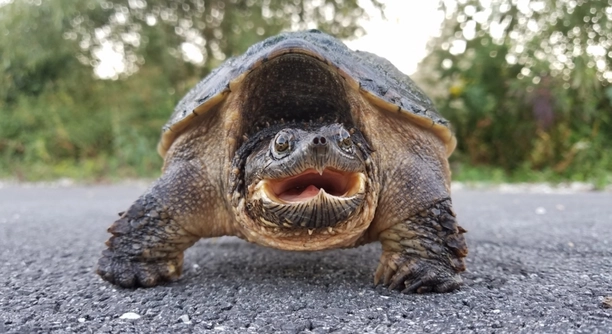
Feeding your snapping turtle properly is crucial to its health and well-being. Snapping turtles require a balanced diet, but how much and how often you feed them can change as they grow. Understanding their needs can help ensure their long-term happiness.
The best feeding schedules for common snapping turtles vary by age, with hatchlings needing more frequent feedings compared to adults. For hatchlings, feeding twice a day is recommended, while adult turtles can be fed once every two to three days.
Establishing an appropriate feeding routine is key to meeting their dietary needs and ensuring your snapping turtle stays healthy throughout its life.
Feeding Hatchlings: Twice a Day is Key
Feeding baby snapping turtles requires a little more attention than adults. As hatchlings are growing, they need more nutrients to support their development. Offering food twice a day ensures that they get enough calories and vitamins for healthy growth. Hatchlings typically consume small amounts of food at a time, so frequent feedings help meet their dietary needs. A varied diet, including both protein and vegetables, helps them develop properly. You can feed them small fish, worms, or pellets designed for aquatic turtles.
Their tiny size makes them more vulnerable to hunger, so don’t skip feedings.
It’s also important to remember that their eating habits might vary slightly from one turtle to another. Keep an eye on how much they eat each time, and adjust your feeding schedule accordingly. It’s essential to maintain a consistent routine. Over time, you’ll notice their growth and increased energy, signaling that the feeding schedule is working for them. Snapping turtles grow quickly, and proper feeding will set them up for a healthy future.
Feeding Juveniles: Adjusting the Schedule
As snapping turtles get older, their feeding schedule should shift to once a day.
Juvenile snapping turtles still require a balanced diet, but they don’t need the same frequency as hatchlings. Feeding once a day helps them maintain energy without overfeeding. As they get larger, you can begin to offer larger portions of food, including more vegetables. A mix of animal protein, such as small fish, insects, and a variety of leafy greens, is ideal. Proper nutrition at this stage helps them build strong bones and shells. Be sure to remove any uneaten food after 30 minutes to avoid water contamination.
Feeding Sub-Adults: Every Other Day
Once your snapping turtle reaches the sub-adult stage, it’s time to shift the feeding schedule to every other day. This adjustment helps prevent overfeeding and maintains a healthy balance in their diet. Sub-adults are still growing, but not as rapidly as juveniles, so they don’t need to eat every day.
Providing a diet with more variety, including different proteins and veggies, ensures they get all the nutrients they need. During this stage, your turtle may enjoy foods like small fish, shrimp, and leafy greens. You can also introduce plant-based foods such as dandelion leaves, water lettuce, or carrots. It’s essential to ensure that all food is cut into small, manageable pieces.
Feeding every other day helps establish a healthy routine. Since snapping turtles at this age are getting closer to adulthood, their metabolism is slower, so they don’t need daily meals. Monitoring their weight and activity will help you determine if this schedule is effective. If you notice any changes in their eating habits, be prepared to make small adjustments. Proper care will help keep them healthy.
Feeding Adults: Twice a Week
Adult snapping turtles don’t need to be fed as often.
As they approach full maturity, adult snapping turtles require less frequent meals. They can typically be fed twice a week, as their slower metabolism means they don’t burn energy as quickly. A proper balance of proteins and plant matter should still be provided, but the amount of food will vary depending on the turtle’s size. You can feed them fish, insects, and leafy greens, but don’t overdo it.
While some adults may continue eating on the same schedule as they did when they were younger, many prefer a less frequent feeding cycle. They’re more independent in their search for food, so providing larger meals during each feeding will be enough to sustain them. When feeding adult turtles, consider the size and weight of your turtle, and make sure they’re not gaining excess weight. Regular health checks will help you determine the best feeding routine for your adult snapping turtle.
Adjusting Feeding Based on Activity Levels
The activity level of your snapping turtle can affect its feeding schedule. If your turtle is more active, it may require slightly more food or slightly more frequent meals. A less active turtle may need fewer meals, as they aren’t burning as much energy.
Observe your turtle’s movements and adjust the schedule accordingly. For instance, if your turtle is swimming around a lot or foraging more, increase the portions at mealtime. If it’s staying more still or resting, you can reduce the food. Keep in mind that overfeeding can lead to obesity, which is harmful.
Feeding During Winter Months
Feeding schedules should be adjusted during winter.
In colder months, snapping turtles often reduce their activity and enter a state of brumation, similar to hibernation. This significantly lowers their energy needs, so you should cut back on feeding. If your turtle is brumating, avoid feeding it altogether.
If your turtle remains active during the winter, feed it less frequently than in warmer months. Reducing feeding will prevent any health issues and align with its slowed metabolism. Keeping the water temperature regulated will also help maintain their natural rhythms. Adjust feeding according to your turtle’s behavior during this time.
Providing a Balanced Diet
A balanced diet is essential for your turtle’s health.
Make sure to offer a combination of proteins, such as fish, worms, and insects, along with plant-based food like lettuce and kale. The mix should be varied to ensure they receive all the vitamins and minerals needed for shell and bone health. Over time, you’ll learn which foods your turtle enjoys most.
FAQ
How often should I feed my snapping turtle as it grows?
As snapping turtles grow, their feeding schedule should adjust accordingly. Hatchlings need to be fed twice a day, while juveniles can be fed once daily. Sub-adults require meals every other day, and adult snapping turtles can be fed twice a week. This progression helps prevent overfeeding and matches their changing metabolism.
Can I feed my snapping turtle only meat?
No, it’s essential to provide a balanced diet that includes both protein and plant matter. While snapping turtles are primarily carnivorous, they also benefit from leafy greens, aquatic plants, and vegetables. This combination ensures they get all the nutrients needed for proper growth and health.
What type of food should I avoid giving my snapping turtle?
Avoid feeding your snapping turtle processed foods, high-fat content, or anything toxic to them, such as avocado, garlic, onions, and citrus fruits. Also, steer clear of feeding them wild-caught animals like frogs, which could carry diseases or parasites. Stick to commercially prepared turtle food or properly sourced protein and vegetables.
How much food should I give my snapping turtle?
The amount of food depends on the turtle’s size and age. For hatchlings, feed them small amounts, roughly 1-2 times the size of their head. For juveniles and sub-adults, the portions should be larger but still manageable. Adult turtles may require larger portions once or twice a week, but be mindful not to overfeed them.
What if my snapping turtle isn’t eating?
If your turtle isn’t eating, first check the water temperature. Snapping turtles are cold-blooded, so if the water is too cold, it could reduce their appetite. Also, ensure that the food you’re offering is suitable for their age and size. If the problem persists, a visit to the vet might be necessary to rule out illness.
Can I feed my snapping turtle the same thing every day?
It’s not ideal to feed your snapping turtle the same food every day. While they may seem to enjoy a particular type of food, offering variety will help ensure they receive a balanced diet. Rotate proteins like fish, shrimp, and worms, and include a mix of plant-based foods such as kale, dandelion greens, or water lettuce.
Should I feed my turtle in water or on land?
Feeding in water is the best choice for snapping turtles, as they are aquatic creatures. Placing food in the water allows them to naturally forage and eat. However, some turtles prefer to eat on land, so try offering food both in the water and on a dry surface to see where they feel most comfortable.
How can I tell if I’m overfeeding my snapping turtle?
If your turtle is becoming lethargic, gaining weight too quickly, or refusing food, you might be overfeeding it. Excessive feeding can lead to obesity, which can cause health problems. Keep an eye on your turtle’s body shape; they should maintain a trim and healthy physique. Regularly check their activity levels as well.
What’s the best way to feed a sick snapping turtle?
If your turtle is sick, it’s crucial to offer food that’s easy for them to eat, such as soft, small pieces of fish or aquatic plants. Avoid overfeeding, and try offering food less frequently. Consult with a veterinarian to ensure that the turtle’s illness is properly diagnosed and treated, as feeding can sometimes be secondary to other treatments.
Is it necessary to feed my snapping turtle every day?
No, once your snapping turtle reaches a certain age, daily feeding is unnecessary. Hatchlings need daily meals, but juveniles and adults can thrive with less frequent feedings. As your turtle matures, their metabolism slows down, and they don’t need as much food. Keep an eye on their weight and overall health to adjust the feeding schedule as needed.
How do I introduce new foods to my snapping turtle?
Introducing new foods gradually is important to avoid digestive upset. Start by offering small amounts of the new food along with their regular diet. If your turtle refuses the new food, try different preparations or textures, such as chopped or whole leaves or different proteins. Keep offering the new food in a way that encourages curiosity and variety.
How do I know if my snapping turtle is healthy?
A healthy snapping turtle will be active, have clear eyes, a strong appetite, and a shiny, firm shell. If you notice abnormal behavior like lack of appetite, lethargy, or changes in the shell’s appearance, it may indicate health problems. Always observe their activity levels and shell condition closely to catch any early signs of illness.
How do I feed a snapping turtle in captivity?
In captivity, you should replicate the turtle’s natural diet by offering protein, like fish and worms, and plant matter like leafy greens and aquatic plants. Ensure that the food is appropriately sized for your turtle’s age and size. Maintain clean water and remove uneaten food promptly to prevent water contamination.
Can snapping turtles eat fruit?
While snapping turtles aren’t naturally inclined to eat fruit, some may enjoy the occasional treat, like berries or melon. However, fruit should only be an occasional part of their diet, not a staple. Too much fruit can upset their digestive system, as they primarily need protein and leafy greens. Always feed fruit in moderation.
What should I do if my snapping turtle isn’t eating its food?
If your turtle isn’t eating, try offering a different variety of food. Make sure the food is fresh and appropriately sized. If the turtle is still not eating, check the water temperature and ensure the environment is suitable for them. If there’s no improvement, consult a vet for further advice.
How do I store food for my snapping turtle?
Store any leftover food in a sealed container in the fridge to keep it fresh. For fresh vegetables, use a container to keep them from wilting. Avoid storing fish for too long, and make sure it’s stored in the proper conditions. For pellet food, ensure it is kept in a cool, dry place.
Final Thoughts
Feeding your snapping turtle properly is essential to its growth and overall health. It’s important to adjust their feeding schedule based on their age, size, and activity level. Hatchlings need more frequent feedings to support their rapid growth, while adults require fewer meals due to their slower metabolism. By providing the right amount of food at the right time, you can ensure that your turtle receives the nutrients it needs for a long, healthy life. Keeping an eye on their eating habits and adjusting the schedule when necessary is key to maintaining their well-being.
In addition to the feeding schedule, variety in their diet plays an important role in their health. Snapping turtles are omnivores, meaning they require both animal-based proteins and plant matter. Offering a mix of foods such as fish, insects, and leafy greens will help meet their nutritional needs. Avoid overfeeding and monitor their weight to make sure they are getting the right amount of food. If they’re not eating as expected or seem to be gaining too much weight, make adjustments to their diet or consult a vet for further advice. A balanced, varied diet will ensure that your snapping turtle thrives in captivity.
Lastly, it’s important to create the right environment for your turtle. Water temperature and habitat conditions can affect their eating habits and overall health. Maintaining a clean tank and providing an environment similar to their natural habitat will keep them happy and healthy. Remember to remove uneaten food from the tank to avoid contamination. By focusing on proper feeding, regular observation, and a suitable living environment, you can enjoy watching your snapping turtle grow and stay healthy for many years to come.

Hello,
If you enjoy the content that we create, please consider saying a "Thank You!" by leaving a tip.
Every little bit helps us continue crafting quality advice that supports the health, happiness, and well-being of pets around the world, for pets of all shapes, sizes, and species.
We really appreciate the kindness and support that you show us!