
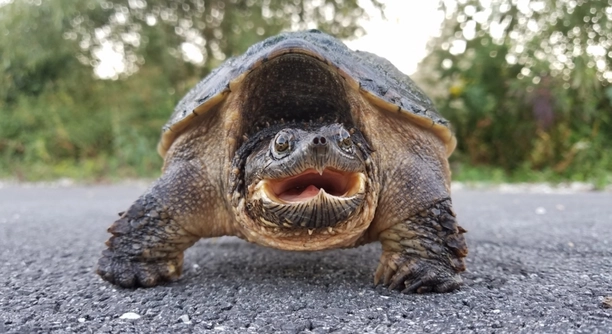
Snapping turtles can face health challenges, but a few simple adjustments can make a significant difference in their well-being. Understanding what they need can help ensure they thrive and live a long, healthy life.
To improve a common snapping turtle’s health, focus on proper diet, clean water, adequate space, and consistent environmental conditions. Regular check-ups, exercise, and reducing stress also play vital roles in maintaining their overall health and longevity.
These simple steps are easy to incorporate into their care routine, providing both immediate and long-term benefits.
Proper Diet for Snapping Turtles
A balanced diet is essential for the health of your snapping turtle. In the wild, they are opportunistic eaters, consuming fish, amphibians, and aquatic plants. When kept in captivity, offering a mix of protein-rich food and vegetables is key. This could include insects, small fish, and specially formulated turtle pellets. Fresh leafy greens like kale and dandelion greens provide the necessary vitamins and minerals.
Turtles also benefit from occasional treats like earthworms or shrimp, but be cautious not to overfeed. It’s essential to avoid high-fat or processed foods, which could lead to obesity and other health issues.
Offering food in moderation and ensuring variety will help maintain your snapping turtle’s vitality and energy. This will also help avoid malnutrition or imbalanced health conditions caused by repetitive or unsuitable feeding practices.
Clean Water for a Healthy Environment
Water quality directly impacts a snapping turtle’s well-being.
Keeping their habitat clean is crucial to prevent infections or other health concerns. Regular water changes, along with filtration systems, will help maintain the water’s cleanliness and prevent harmful bacteria buildup.
Adequate Space for Movement
Snapping turtles need plenty of room to roam. A cramped enclosure can cause stress and hinder their physical development. The larger the space, the better, as it mimics their natural habitat. A spacious tank allows them to move freely, swim, and find hiding spots, all of which are vital for their well-being.
It’s also important to provide areas where they can both swim and bask. Creating a shallow water zone and a dry basking area will allow them to regulate their body temperature. This setup will reduce stress and improve their overall health, as they can easily move between water and dry spots.
By ensuring ample space, you’re allowing your snapping turtle to behave naturally and stay healthy. Stress is a major factor in their health, so creating a large, well-designed enclosure will make a noticeable difference in their behavior and vitality.
Environmental Stability
Stable environmental conditions are essential for snapping turtles.
Temperature, humidity, and light must be regulated carefully. Keeping their habitat at the right temperature range, usually between 75-85°F, ensures proper digestion and activity. UVB lighting should also be used to provide the necessary exposure for calcium absorption.
Failure to maintain these conditions can lead to health problems like shell deformities or metabolic bone disease. Regular checks of the temperature and humidity levels, along with proper lighting, will ensure your snapping turtle stays healthy. It’s important to keep the water temperature in mind, as both too hot and too cold can have negative effects on their metabolism.
Regular Health Check-ups
Routine check-ups are crucial for your snapping turtle’s health. Even if they seem fine, a vet can spot potential issues before they become serious. Regular visits ensure their shell, skin, and internal organs are in good condition, providing peace of mind.
A vet experienced with reptiles can advise on proper care, diet, and environmental conditions. By staying on top of health assessments, you’ll catch any problems early and help your turtle thrive.
Exercise and Activity
Providing your turtle with enough exercise is vital.
Snapping turtles need to swim and explore to keep their muscles and joints strong. A well-sized tank or pond offers them the opportunity to move around freely, mimicking natural conditions. Without adequate space for movement, they may become lethargic and unhealthy.
Regular activity helps prevent obesity and promotes overall health.
FAQ
What should I feed my snapping turtle?
Snapping turtles require a varied diet that includes both animal and plant matter. Offer them a mix of protein sources such as insects, fish, and worms. You can also provide them with turtle pellets designed for omnivorous turtles. Leafy greens like kale, dandelion greens, and water plants should be included for essential vitamins. It’s crucial to avoid feeding them processed foods or items too high in fat, as this could lead to health issues.
How often should I feed my snapping turtle?
The frequency of feeding depends on the age and size of the turtle. Younger turtles need more frequent meals, about 3 to 4 times a week, while adult turtles typically need feeding every other day. Overfeeding can lead to obesity, so it’s important to provide the right portions. You should adjust the feeding schedule depending on your turtle’s specific needs, growth rate, and activity level.
What size tank does a snapping turtle need?
A snapping turtle requires a spacious tank or outdoor pond. As a general rule, the tank should be at least 75 gallons for a juvenile and up to 200 gallons or more for an adult. Larger tanks are always better, as they provide the turtle with space to move, swim, and regulate their body temperature. Having enough space to roam is essential for your turtle’s health and well-being.
Do snapping turtles need a basking area?
Yes, snapping turtles need a basking area. This area allows them to dry off and regulate their body temperature. A basking spot should be dry, flat, and equipped with a heat source like a UVB light to help them metabolize calcium and maintain a healthy shell. It should be positioned above the waterline and large enough for the turtle to comfortably rest.
What temperature should the water be in the tank?
The ideal water temperature for a snapping turtle should be between 75 and 85°F (24-29°C). Maintaining the right temperature promotes healthy digestion, activity, and metabolism. If the water is too cold, your turtle may become sluggish and have trouble digesting food. Too warm water can lead to stress and increased risk of disease. Use a reliable aquarium heater to maintain the correct temperature.
How do I clean the tank for my snapping turtle?
Cleaning your turtle’s tank regularly is essential for their health. Perform partial water changes every week and a full cleaning every month. Remove any uneaten food or waste daily to prevent bacteria build-up. Use a filter to keep the water clean, but make sure to clean the filter regularly to maintain its effectiveness. Scrub the tank’s sides and decorations with a reptile-safe cleaner.
Can I keep multiple snapping turtles in the same tank?
It’s not recommended to keep multiple snapping turtles in the same tank. Snapping turtles are territorial and can become aggressive toward each other. In the wild, they tend to be solitary creatures. If you decide to house more than one, make sure the tank is large enough and that there are plenty of hiding spots to reduce stress and territorial disputes.
Are snapping turtles good pets for beginners?
While snapping turtles are fascinating creatures, they are not ideal pets for beginners. They require specialized care, including maintaining proper water temperature, diet, and habitat size. They can also be aggressive, especially when threatened. A snapping turtle’s sharp beak and powerful jaws can cause injury, so handling should be minimal. If you are new to reptile care, consider starting with a more docile species.
How long do snapping turtles live?
Snapping turtles can live a long time, with an average lifespan of 30-40 years in captivity, and sometimes longer in the wild. Their lifespan is heavily influenced by the care they receive, including proper diet, habitat, and medical attention. Providing a healthy and stable environment will help ensure your snapping turtle enjoys a long, healthy life.
What signs indicate a snapping turtle is unhealthy?
Common signs that a snapping turtle may be unhealthy include lack of appetite, lethargy, shell deformities, or abnormal behavior such as excessive aggression. Infections or injuries can also cause swelling, discharge, or changes in the appearance of the skin or shell. If you notice any of these signs, it’s important to consult a reptile veterinarian immediately to address the issue.
Final Thoughts
Taking care of a snapping turtle involves understanding their specific needs and providing a proper environment to support their health. Snapping turtles are resilient creatures, but they require attention to their diet, living space, and overall well-being. By offering a balanced diet of proteins and vegetables, you help ensure their growth and longevity. Providing the right habitat with ample space, appropriate water temperature, and a basking area for regulation of body temperature is essential. Regular health check-ups and observation will also prevent potential health issues from becoming serious.
While snapping turtles can be fascinating pets, they are not for everyone. Their aggressive nature and the space they require make them a more suitable pet for experienced reptile owners. They thrive in large tanks or outdoor ponds with areas for swimming and basking. They are not a “set it and forget it” type of pet; rather, they demand attention and care to ensure they remain healthy. A proper enclosure and constant maintenance of water quality are non-negotiable for their survival and happiness. In the right conditions, snapping turtles can live for decades, offering a long-term commitment.
In conclusion, with the right care, snapping turtles can thrive as pets. They are not demanding in the traditional sense, but they do require specific conditions to be met for their health and comfort. Whether you’re already a reptile owner or considering adding a snapping turtle to your family, the key is research and preparation. A healthy snapping turtle is a rewarding pet, but it’s important to remember that their well-being depends on your willingness to meet their needs. Taking these steps will ensure that your snapping turtle leads a happy, healthy life for many years.

Hello,
If you enjoy the content that we create, please consider saying a "Thank You!" by leaving a tip.
Every little bit helps us continue crafting quality advice that supports the health, happiness, and well-being of pets around the world, for pets of all shapes, sizes, and species.
We really appreciate the kindness and support that you show us!