
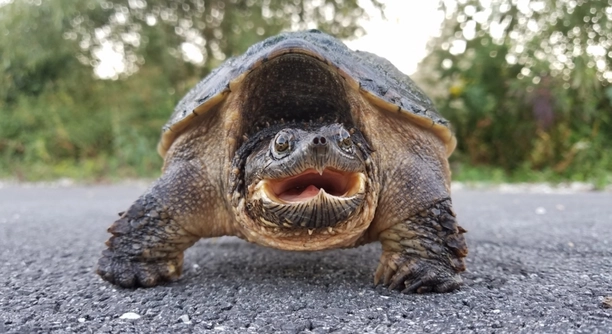
Monitoring water quality for a common snapping turtle is essential for its health and well-being. Clean, safe water helps prevent diseases and ensures a long, happy life for your turtle. Proper monitoring is key for any turtle owner.
To maintain optimal water conditions for your snapping turtle, you should regularly check parameters like pH, temperature, ammonia, nitrite, and nitrate levels. Using testing kits and filters can help keep the water clean and safe for your turtle.
Regular monitoring will help you identify issues early, promoting a healthy environment for your turtle. Discover the best methods to ensure the water stays clean and safe throughout the year.
Testing pH Levels for a Snapping Turtle
Maintaining the right pH level is essential for your snapping turtle’s health. Snapping turtles thrive in water with a pH between 6.5 and 7.5, as water that’s too acidic or alkaline can cause stress or health problems. You can easily test the pH with a water testing kit, which will show you where your water stands. If the pH is too high or too low, adjusting it with commercial pH balancing products can help. Consistently monitor the pH to avoid fluctuations, which can negatively impact your turtle’s immune system.
Adjusting the pH of your turtle’s habitat is simple but crucial. Testing kits and pH buffers can help you maintain balance. Make sure you address any issues promptly.
Routine pH testing can prevent discomfort and illness in your snapping turtle. Regular checks ensure the water stays within a safe range, keeping your turtle healthy. If the pH level is off, it’s easy to correct, ensuring the water remains a comfortable environment for your turtle.
Temperature Control for Snapping Turtles
Keeping the water temperature stable is another key aspect of water quality. Snapping turtles require water temperatures between 70°F and 80°F (21°C to 27°C) to thrive. If the water is too cold, your turtle may become lethargic and struggle to digest food. On the other hand, high temperatures can lead to stress or even overheating. Use a reliable aquarium heater and thermometer to maintain a constant temperature. Monitoring the water temperature regularly will help ensure your turtle remains active and healthy.
Temperature plays a significant role in your turtle’s activity levels. Regular checks help you avoid drastic temperature changes.
Investing in a good aquarium heater and thermometer is important to keep the water temperature at the right level. Sudden fluctuations can stress your turtle and make it harder for them to regulate their body functions. Ensure your snapping turtle’s water stays within the proper temperature range to encourage normal behavior and digestion.
Monitoring Ammonia Levels
Ammonia is a common waste product in turtle tanks and can build up quickly, harming your turtle. Regular testing is essential to keep ammonia levels below 0.5 ppm. High ammonia can cause damage to your turtle’s gills, making it difficult for them to breathe. Test regularly with an ammonia testing kit and use a good filtration system to keep the water clean.
If ammonia levels are high, perform a partial water change to reduce the concentration. Adding live plants or beneficial bacteria can help break down waste and lower ammonia levels naturally.
Regular ammonia testing should become a routine part of tank maintenance. It’s important to remember that even slight ammonia increases can harm your turtle’s health. Keeping ammonia levels in check creates a safer environment for your turtle, preventing stress and health issues. A strong filtration system can be a huge help in this regard, reducing the need for constant water changes.
Keeping Nitrite and Nitrate Levels in Check
Nitrite and nitrate are other byproducts of your turtle’s waste and leftover food. While nitrates are less harmful than nitrites, both can build up over time and affect water quality. Test for both regularly to ensure they stay at safe levels. Nitrites should be kept at 0 ppm, while nitrates can go up to 20-40 ppm for healthy water.
A good filtration system can help reduce both nitrite and nitrate levels. Plants and water changes also help control these compounds naturally, keeping water quality optimal.
Keeping nitrites and nitrates in check can prevent health problems like respiratory issues or poor shell growth. By regularly checking levels and adjusting the tank’s filtration or performing water changes, you ensure that your snapping turtle remains in a safe, clean environment. The right balance will help keep your turtle active and healthy, so it’s important not to neglect this crucial aspect of water maintenance.
Using a Water Filter
A reliable water filter is essential for maintaining a clean environment for your snapping turtle. It removes debris, waste, and harmful chemicals that can pollute the water. Make sure to choose a filter that is appropriately sized for your tank to keep the water fresh.
Regularly cleaning and maintaining your filter will ensure it performs effectively. A clogged or dirty filter can lead to poor water quality, making it harder to keep ammonia and nitrites under control.
Investing in a good filter will help you avoid frequent water changes and reduce stress on your turtle. A clean tank also prevents harmful bacteria and algae from growing, ensuring the safety of your turtle.
Performing Regular Water Changes
Water changes are a simple but effective way to maintain water quality. By changing 20-30% of the water weekly, you can reduce toxins, control waste, and keep the tank clean. Fresh water also helps prevent algae buildup and ensures your turtle has a healthy environment to thrive in.
Regular water changes should become a routine part of your turtle’s care. Clean water improves the overall well-being of your snapping turtle, preventing health issues.
Avoiding Algae Build-Up
Algae can quickly grow in your turtle’s tank if water conditions aren’t managed properly. High nutrient levels, especially nitrates and excess light, encourage algae growth. Controlling these factors will help keep algae at bay and maintain a clean environment for your turtle.
FAQ
What is the best way to test water quality for a snapping turtle?
To test water quality for your snapping turtle, use a combination of water test kits to measure key parameters: pH, ammonia, nitrites, and nitrates. These kits are easy to use and provide accurate readings. You can also monitor water temperature with a reliable thermometer to ensure it stays within the proper range for your turtle. By checking these parameters regularly, you can keep the tank environment safe for your turtle and prevent any potential health issues.
How often should I change the water in my snapping turtle’s tank?
You should change 20-30% of the water in your turtle’s tank every week. Regular water changes help keep ammonia and nitrates under control, removing waste and keeping the environment clean. If the water appears cloudy or the filter is not functioning properly, you may need to do a larger water change. It’s important to monitor your turtle’s water quality consistently to maintain a healthy habitat.
What temperature should the water be for a snapping turtle?
Snapping turtles thrive in water temperatures between 70°F and 80°F (21°C to 27°C). If the water is too cold, your turtle may become sluggish, and if it’s too warm, they might become stressed. Use an aquarium heater to keep the water at a consistent temperature, and check it regularly with a thermometer to ensure it remains within the proper range.
How can I prevent algae growth in my turtle’s tank?
Algae growth is common in turtle tanks, but you can control it by regulating the light and nutrient levels. Ensure your tank is not exposed to direct sunlight for long periods, as this can encourage algae growth. Additionally, control the levels of nitrates and perform regular water changes to keep nutrient levels low. A good filtration system and live plants can also help absorb excess nutrients, reducing algae buildup.
Can I use regular tap water for my snapping turtle’s tank?
Regular tap water can be used for your snapping turtle’s tank, but you should treat it with a water conditioner to remove chlorine and chloramine, which are harmful to aquatic life. It’s also important to let the tap water sit for 24 hours before adding it to the tank to allow any remaining chemicals to dissipate. Always check the water’s pH, ammonia, and nitrate levels to ensure it’s safe for your turtle.
How do I maintain proper pH levels in my turtle’s tank?
To maintain proper pH levels, regularly test the water using a pH test kit. The ideal pH range for a snapping turtle is between 6.5 and 7.5. If the pH is too high or too low, you can use pH adjusters available at pet stores to correct the levels. Make sure to monitor the water consistently and avoid sudden changes, as this can stress your turtle.
Do I need a filter for my snapping turtle’s tank?
Yes, a good filter is essential for keeping the water clean and maintaining proper water quality in your snapping turtle’s tank. A filter helps remove waste, debris, and toxins, which can build up and harm your turtle. It also keeps the water circulating, preventing stagnant areas where harmful bacteria can grow. Be sure to choose a filter that is the right size for your tank and clean it regularly.
What should I do if my turtle’s water quality is off?
If your turtle’s water quality is off, the first step is to test the water for key parameters: pH, ammonia, nitrites, and nitrates. If any levels are too high, perform a water change immediately to reduce the harmful chemicals. Ensure the filter is working properly and clean it if necessary. Additionally, monitor the temperature to make sure it’s within the ideal range. Regular water testing and maintenance can help you prevent issues before they become serious.
Is it safe to add plants to my snapping turtle’s tank?
Yes, adding plants to your turtle’s tank can be beneficial. Live plants help improve water quality by absorbing excess nutrients like nitrates, which can help reduce algae growth. They also provide hiding spots and a more natural environment for your turtle. Be sure to choose plants that are safe for turtles and avoid those that may be toxic or easily uprooted. Some plants that work well in turtle tanks include anubias, java fern, and duckweed.
What type of filter is best for a snapping turtle tank?
The best filter for a snapping turtle tank is one that provides both mechanical and biological filtration. A canister filter or a hang-on-back filter are popular choices as they offer strong filtration and help maintain water quality. Make sure the filter is rated for the size of your tank and can handle the waste load produced by your turtle. Regularly clean and replace filter media to keep the filter working efficiently.
How do I know if my snapping turtle is stressed by poor water quality?
If your snapping turtle is stressed by poor water quality, you may notice signs such as lethargy, loss of appetite, difficulty swimming, or breathing at the surface more often than usual. Cloudy or discolored water can also indicate that the water is not in the ideal condition for your turtle. Regularly testing and maintaining the water quality will help prevent stress and other health issues for your turtle.
Can I use a substrate in my turtle’s tank?
Using substrate in your turtle’s tank is optional, but it can provide a more natural environment. Gravel, sand, or aquatic plants are common substrate choices. However, be cautious as some turtles may ingest substrate, leading to digestive issues. If you do use substrate, make sure it is fine enough that your turtle won’t swallow it. You can also opt for a bare-bottom tank to make cleaning easier.
Final Thoughts
Maintaining water quality for your snapping turtle is essential for its health and well-being. By regularly testing the water for pH, ammonia, nitrites, and nitrates, you can ensure that your turtle lives in a safe environment. It is important to monitor these parameters closely, as even slight changes can lead to stress or health issues for your turtle. Consistent care and proper water management can prevent many problems, allowing your turtle to live a long, healthy life.
Using the right equipment, such as a reliable filter, water heater, and thermometer, can help you keep the water in optimal condition. A filter helps remove waste, debris, and harmful chemicals, while a heater ensures that the water stays within the ideal temperature range for your turtle. Regular water changes are also an important part of maintaining good water quality, as they help remove toxins and reduce the buildup of harmful compounds. Having the proper tools in place makes the process of monitoring and maintaining water quality much easier.
Overall, keeping your snapping turtle’s water clean and healthy is not only about testing the water regularly but also about creating a stable and balanced environment. By staying on top of water quality and using the right equipment, you can avoid common issues that turtles face in captivity. Whether it’s managing pH levels or preventing algae growth, the effort you put into caring for the water directly benefits your turtle’s health. With regular maintenance and attention to detail, you can ensure that your snapping turtle thrives in a safe and clean aquatic home.

Hello,
If you enjoy the content that we create, please consider saying a "Thank You!" by leaving a tip.
Every little bit helps us continue crafting quality advice that supports the health, happiness, and well-being of pets around the world, for pets of all shapes, sizes, and species.
We really appreciate the kindness and support that you show us!