
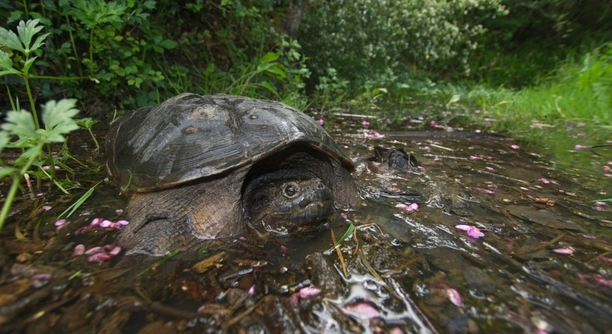
Water evaporation can be a challenge for anyone with a common snapping turtle tank. Keeping the tank environment stable is important for the health of your turtle. In this article, we’ll explore practical solutions to reduce water evaporation.
One of the best ways to reduce water evaporation in a common snapping turtle tank is by using a lid or cover. This will trap moisture, reduce air exposure, and keep the water level steady. Other methods can support this effort as well.
There are simple changes you can make to your turtle’s tank that will help you keep the water levels balanced and reduce evaporation over time. Keep reading to learn about these easy solutions.
Use a Tank Lid or Cover
One of the easiest ways to minimize water evaporation in your snapping turtle tank is by using a lid or cover. A simple glass or plastic cover can effectively reduce water loss by trapping humidity inside the tank. This prevents moisture from escaping and helps maintain the right balance in your turtle’s environment. It’s a quick, low-cost solution to manage water levels while still allowing adequate airflow for your turtle to breathe.
This method works best if the lid is fitted snugly to the tank, leaving no gaps for air to escape.
Remember, snapping turtles do not require excessive airflow like some reptiles. Keeping the lid in place prevents excessive heat and moisture loss while still providing your turtle with a comfortable space to thrive. You can even make small adjustments to the cover to ensure proper ventilation if needed. Using a lid is a small change that can make a big difference in reducing evaporation. This is a simple yet effective strategy to maintain a stable and healthier tank environment.
Maintain Proper Water Temperature
Another factor that contributes to water evaporation is temperature. If your tank water is too warm, it will evaporate much faster. Adjusting the tank heater or water temperature settings can help you keep the water at a stable temperature, slowing down evaporation.
It’s important to set the heater to a temperature that suits your turtle, usually between 72°F and 78°F. Avoid making drastic changes to the temperature, as it can stress your turtle. Consistent warmth not only reduces evaporation but also supports your turtle’s health. Additionally, using a submersible heater can keep the water at the right level without impacting the air above. By maintaining proper water temperature, you’ll notice less water loss and a happier, healthier turtle.
Use a Larger Tank
A larger tank holds more water, which can reduce the effects of evaporation. The bigger volume helps maintain water levels for longer, providing a buffer against small losses due to evaporation. If your turtle has more space, the overall impact of water loss will be less noticeable.
In addition, larger tanks tend to have more surface area, which may seem like it would increase evaporation, but with proper equipment, the effect can be minimized. By increasing the volume, you’ll have more water to manage, making it easier to maintain a stable environment. This is particularly beneficial if you live in a dry or hot climate where evaporation is more intense.
Keep in mind that a larger tank may require more maintenance in terms of water filtration and cleaning, but the reduction in evaporation makes it a worthwhile consideration. Just ensure you have the right equipment to manage the size of the tank and water quality.
Add Live Plants
Live plants can be a great help in reducing water evaporation. They naturally increase humidity around the tank by releasing moisture into the air, creating a more balanced environment. Plants like water lilies or moss can act as a natural barrier that helps trap moisture and slows down evaporation.
Adding live plants also benefits your turtle’s health. They provide hiding spots and encourage natural behavior like foraging and climbing. Some plants even help filter the water, keeping it cleaner for longer. These plants not only help with evaporation but also create a more natural habitat for your turtle.
However, make sure the plants you choose are safe for turtles. Avoid species that might be toxic or difficult to care for. Live plants need regular maintenance, so check that they’re thriving in the tank’s conditions. With proper care, live plants can be a simple, effective solution to reduce water loss and enhance your turtle’s environment.
Reduce Tank Light Intensity
Reducing the intensity of lights in your turtle tank can slow down water evaporation. Bright lights, especially when used for extended periods, can cause the water to warm up, increasing evaporation. Consider lowering the wattage or using a timer to limit the light exposure each day.
By adjusting the lighting, you’ll prevent overheating the tank and reduce the moisture loss. A timer ensures your turtle still gets the right amount of light without the risk of the water evaporating too quickly. This change is a simple but effective way to control evaporation levels over time.
Increase Humidity Around the Tank
To further reduce evaporation, consider increasing the humidity around the tank. Using a room humidifier near the tank can help trap moisture in the air and prevent it from escaping into the room. It’s an easy fix that can make a noticeable difference.
Placing the tank in a more humid area of your home can also help. Humidity prevents rapid evaporation by keeping the surrounding air moist. While this won’t directly reduce the water temperature, it helps to retain moisture within the tank. Just ensure the space remains comfortable for your turtle.
FAQ
How often should I check the water level in my snapping turtle tank?
You should check the water level at least once a week, but daily checks are ideal, especially during warmer months. Snapping turtles are active and can create splashes that affect water levels, so staying on top of this will ensure the environment remains stable. If the water level drops too much, it may stress your turtle or affect its habitat. Regular water checks also help you spot other issues, such as leaks or problems with the filtration system, early on.
Can I use a regular aquarium cover to reduce evaporation?
Yes, a regular aquarium cover will work well for reducing evaporation. However, make sure it is securely fitted to prevent gaps. A glass or plastic cover is a good option as it traps humidity and keeps the water from evaporating too quickly. Just be cautious not to block the tank’s ventilation completely, as your turtle still needs access to fresh air. Some covers come with adjustable vents that allow for air exchange while still preventing evaporation.
Does adding more water to the tank help reduce evaporation?
Adding more water to the tank will not directly reduce evaporation, but it can help manage it. A larger volume of water will naturally take longer to evaporate, so having more water in the tank will give you a little more time before needing to refill. However, simply adding more water won’t address the root cause of evaporation. It’s better to combine this with other methods, like reducing light intensity or using a lid, to keep evaporation at a minimum.
How can I reduce evaporation without changing the setup of the tank?
If you prefer not to make major changes to your tank setup, focus on adjusting your tank’s environment. A room humidifier can help maintain humidity in the air, reducing the rate of evaporation. Placing the tank in a more humid area of your home, like a bathroom, can also help keep the water from evaporating too quickly. Additionally, controlling room temperature can play a significant role. Ensure your tank isn’t in direct sunlight or near heating vents, which can increase evaporation.
Can I use a fan to reduce evaporation in the tank?
Using a fan is not the best solution for reducing water evaporation. While it may help circulate air around the tank, it could also speed up the evaporation process by constantly moving air across the water’s surface. The key to reducing evaporation is maintaining a stable, humid environment, not increasing airflow. Fans can make the air too dry, which is the opposite of what you want. It’s better to control evaporation through methods like using a lid or increasing humidity.
Is it necessary to use a special water heater to reduce evaporation?
While water heaters don’t directly reduce evaporation, maintaining a consistent water temperature is essential to minimizing evaporation. If the water temperature fluctuates too much, it can cause rapid evaporation, so a reliable, submersible heater can keep the water at a stable level. The key is to prevent overheating the tank, as higher temperatures cause the water to evaporate more quickly. Set the water heater to a temperature between 72°F and 78°F to maintain a stable, comfortable environment for your turtle.
What type of plants are best for reducing evaporation in my snapping turtle tank?
Aquatic plants that float on the water’s surface are the best for reducing evaporation. Plants like water lilies, duckweed, and water lettuce help trap moisture in the air and slow down evaporation. These plants naturally release moisture into the air, increasing humidity and creating a more balanced environment. Just make sure to choose plants that are safe for your snapping turtle and fit well in your tank. It’s also important to maintain the plants regularly to ensure they continue to thrive and provide these benefits.
Should I avoid adding new water to the tank too frequently?
While it’s important to maintain the water level in your tank, adding new water too frequently may not be necessary. As long as the water is clean and the proper filtration system is in place, you shouldn’t need to constantly add water. Instead, focus on minimizing evaporation by using covers, controlling the temperature, and keeping the tank environment humid. Frequent water changes can disrupt the balance of the tank, which could stress your turtle. Aim for regular water changes every few weeks or when you notice water quality issues, rather than focusing on just adding more water.
Can I use a dehumidifier to reduce evaporation around the tank?
Using a dehumidifier near the tank is not recommended. While a dehumidifier can reduce the moisture in the air, it may actually increase the rate of evaporation by drying out the environment. The goal is to keep the air around the tank more humid to retain moisture, not to remove it. A humidifier would be a much better option, as it will help maintain the moisture level in the room, preventing the water in the tank from evaporating too quickly. Just be sure the humidity level in the room is balanced and not too high.
How can I prevent condensation on the tank lid?
Condensation on the tank lid can be a sign of excess moisture inside the tank. To reduce condensation, try to ensure the temperature inside the tank is stable. Avoid heating the tank too much, as it can cause temperature differences that create moisture buildup on the lid. Using a vented lid can also help, as it allows airflow to reduce the moisture trapped inside. If condensation is a constant issue, check the humidity levels in the room and adjust accordingly.
Final Thoughts
Managing water evaporation in a common snapping turtle tank is essential for creating a healthy and stable environment. By using a tank lid or cover, you can easily trap moisture inside, reducing the amount of water that evaporates. This is a simple, cost-effective solution that will help maintain water levels and prevent fluctuations. Additionally, ensuring that the water temperature remains consistent will also slow down evaporation. Avoiding excessive heat and light is key to keeping evaporation rates low, especially in warmer weather.
Incorporating plants into your tank can also be a natural way to manage water loss. Live plants like water lilies or moss not only help with evaporation but also contribute to a more comfortable and visually pleasing habitat for your turtle. Plants release moisture into the air, increasing humidity and slowing down the evaporation process. Just make sure to choose plants that are safe for your snapping turtle and easy to maintain. Regular care of the plants is necessary to ensure they stay healthy and continue to provide their benefits.
Lastly, paying attention to your tank setup, such as the tank size, lighting, and airflow, can help you control evaporation. Using a larger tank with more water volume will slow down evaporation over time. Adjusting the light intensity and avoiding direct sunlight can prevent excessive heat buildup. Small changes in the room environment, like adding a humidifier or placing the tank in a more humid area, can also make a noticeable difference. By combining these strategies, you can effectively reduce water evaporation and create a better habitat for your snapping turtle.

Hello,
If you enjoy the content that we create, please consider saying a "Thank You!" by leaving a tip.
Every little bit helps us continue crafting quality advice that supports the health, happiness, and well-being of pets around the world, for pets of all shapes, sizes, and species.
We really appreciate the kindness and support that you show us!