
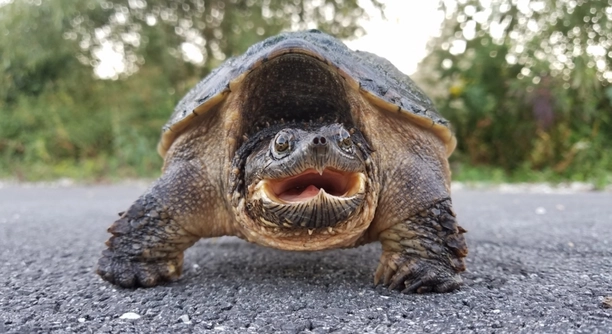
Do you find yourself wondering how to tell if a common snapping turtle is underweight? Understanding their health is essential for their well-being. Observing their size and body condition is the first step to ensuring they are properly cared for.
The best way to assess if a common snapping turtle is underweight is by evaluating its overall body condition. An underweight turtle will have a noticeably thin shell, prominent bones, and a lack of muscle mass, making it appear weaker.
Identifying signs of underweight in snapping turtles is crucial for their care. Knowing how to assess their health can lead to better management and well-being for these fascinating creatures.
How to Assess if a Snapping Turtle Is Underweight
One of the first signs to look for in an underweight common snapping turtle is the overall appearance of its shell. A healthy turtle has a sturdy, smooth shell. If it looks unusually thin or its bones seem visible, it could indicate the turtle is underweight. You should also check the muscle mass along the turtle’s neck and legs. If they appear thin or the skin sags, the turtle might not be getting enough nutrition. An underweight snapping turtle often appears weaker and slower than usual. Keep an eye on their activity level, as a lack of energy can also be a sign of poor health.
When inspecting a snapping turtle for signs of malnutrition, consider its environment and diet. Lack of proper nutrition often stems from limited food sources or improper habitat conditions. If the turtle is not eating enough or has trouble finding food, it’s crucial to intervene.
Providing the right diet and habitat can help prevent a turtle from becoming underweight. Ensure that your snapping turtle has access to a variety of fresh food, including fish, insects, and vegetables. Also, maintain a proper water temperature and habitat, which is essential for digestion and overall health. With the right care, snapping turtles can thrive and grow strong.
Understanding the Causes of Malnutrition in Snapping Turtles
Snapping turtles often become underweight due to a lack of proper food or environmental stress. These turtles are opportunistic feeders, meaning they need a varied diet to stay healthy. If their diet consists solely of one type of food, they may not receive all the nutrients they need to stay strong. Stress factors, such as overcrowding or poor water quality, can also lead to weight loss.
It’s vital to observe how the turtle behaves in its habitat. Stress can reduce its appetite, causing it to become weaker over time. Snapping turtles are more likely to suffer from malnutrition if their tank is too small or lacks places for them to hide and feel secure. Make sure the turtle has space to swim and bask. Additionally, regular water changes are essential to maintain clean conditions and reduce the likelihood of illness, which can also lead to malnutrition.
Diet and Nutrition for Snapping Turtles
A well-balanced diet is crucial for snapping turtles to maintain a healthy weight. They need a variety of proteins, such as fish, worms, and insects, along with some leafy greens and vegetables. Offering different types of food ensures they get the vitamins and minerals they require.
If a turtle is not eating enough, it may not be getting enough nutrients, which can lead to malnutrition. It’s important to feed them fresh food regularly, making sure to remove any uneaten food from the tank to avoid contamination. Avoid feeding your turtle processed foods or anything that could harm their digestive system. Also, make sure to adjust the food size to match the turtle’s size, ensuring they can eat easily.
Offering a combination of protein-rich foods and vegetables will help your turtle stay healthy and maintain the right weight. Regular feeding, with attention to proper portion sizes, is essential to prevent underweight conditions. Keep track of how much they eat, as a decrease in appetite can signal health problems.
Habitat Factors That Affect Weight
A snapping turtle’s habitat plays a significant role in its overall health. The water temperature should be maintained between 75 and 85°F to support proper digestion. If the water is too cold, the turtle may eat less and become lethargic, leading to weight loss. Proper basking areas are also necessary for the turtle to regulate its body temperature.
Providing hiding spots can reduce stress and allow the turtle to feel safe. Stress can decrease their appetite, contributing to weight loss. Ensuring the tank is large enough for the turtle to swim and explore freely is crucial for both mental and physical health. A cramped habitat can affect their ability to exercise, which can contribute to weight loss and muscle atrophy.
A clean, well-maintained habitat with proper temperature and ample space will keep a snapping turtle healthy. Consistent care of the environment reduces stress and promotes a healthy appetite, allowing the turtle to thrive and maintain a healthy weight.
Signs of Illness in Snapping Turtles
If a snapping turtle is underweight, illness may be the cause. Look for signs like swollen eyes, discharge from the nose, or unusual behavior such as lethargy. These are indications that something is wrong and may require immediate attention.
Turtles may also exhibit signs like a lack of appetite, shell rot, or abnormal swimming. These symptoms are often linked to infections or parasites. If left untreated, these issues can worsen, leading to further weight loss. It’s essential to observe your turtle’s behavior closely and seek a vet’s help if necessary.
Weight Fluctuations and Growth Stages
During their early stages of life, snapping turtles grow quickly. As they mature, their growth slows, and their weight stabilizes. It’s normal for younger turtles to fluctuate in weight, but older turtles should maintain a consistent body condition. Sudden weight loss or lack of growth could signal a health problem or improper care.
Changes in diet or environmental conditions can cause weight fluctuations. Be mindful of their size and weight as they age to ensure they stay healthy. Always track their progress, noting any noticeable changes to catch potential issues early.
Stress and Its Impact on Health
Stress can have a significant impact on a snapping turtle’s weight. When stressed, turtles may refuse to eat or become more inactive, leading to weight loss. Sources of stress can include changes in their environment, overcrowding, or improper handling. It’s essential to reduce stress by keeping their habitat stable and calm.
Providing a peaceful, consistent environment will help your turtle feel safe and comfortable. Avoid making sudden changes that might disrupt its routine. A turtle in a stress-free environment is more likely to maintain a healthy weight and stay active.
FAQ
How can I tell if my snapping turtle is underweight?
An underweight snapping turtle will have a noticeably thin shell, with prominent bones visible along the edges. The turtle’s neck and limbs may appear weak, and it could seem slower or less active than usual. You may also notice sagging skin or a lack of muscle mass. These signs indicate the turtle may not be getting enough food or could be suffering from illness or stress.
What should I feed my snapping turtle to keep it healthy?
To keep your snapping turtle healthy, feed it a variety of food. Offer protein sources like fish, insects, worms, and shrimp. You can also include leafy greens like kale, dandelion leaves, or aquatic plants. A mix of protein and vegetables will ensure they get the nutrients they need for proper growth and maintenance. Be sure to provide fresh food daily and remove any uneaten food from the tank to avoid water contamination.
What size habitat is ideal for a snapping turtle?
A snapping turtle needs a spacious habitat to thrive. For adults, a tank that holds at least 75 gallons of water is recommended. Juveniles may require less space, but as they grow, their tank size should increase accordingly. The habitat should include both water for swimming and a basking area where the turtle can dry off and regulate its temperature. A clean, spacious environment is crucial for preventing stress and promoting healthy growth.
How often should I clean my snapping turtle’s tank?
Clean your snapping turtle’s tank regularly to maintain a healthy environment. Perform partial water changes once a week, and do a full tank cleaning every 4 to 6 weeks. Remove uneaten food and waste daily to prevent the build-up of harmful bacteria. Regular cleaning keeps the water quality high, which is essential for your turtle’s health and well-being.
Can stress cause weight loss in snapping turtles?
Yes, stress can cause weight loss in snapping turtles. Stress from overcrowding, improper habitat conditions, or handling can make a turtle stop eating or become lethargic, leading to weight loss. It’s important to keep their habitat stable, provide hiding spots, and avoid frequent disturbances to help reduce stress. Creating a calm, comfortable environment will ensure your turtle stays healthy and active.
How can I reduce stress for my snapping turtle?
To reduce stress, ensure that your turtle’s habitat is large enough and has hiding spots where it can feel secure. Maintain a stable water temperature and avoid drastic changes in the environment. Minimize handling, as turtles generally prefer not to be touched often. By offering a peaceful, secure environment, your snapping turtle will feel more comfortable and less stressed.
Why isn’t my snapping turtle eating?
If your snapping turtle isn’t eating, it could be due to several reasons. Stress, illness, or an improper diet can all cause a loss of appetite. Check the water temperature, as cold water can reduce their activity level and appetite. Also, ensure that the food you offer is fresh and appropriate for their size. If the issue persists, a vet visit may be necessary to rule out illness.
How can I tell if my snapping turtle is sick?
Signs of illness in a snapping turtle include a lack of appetite, unusual swimming behavior, swollen eyes, or discharge from the nose or mouth. You might also notice changes in their shell, like soft spots or unusual color. If your turtle shows any of these signs, it’s essential to seek veterinary care to diagnose and treat the issue promptly.
Can my snapping turtle’s shell shape indicate malnutrition?
Yes, a snapping turtle’s shell shape can indicate malnutrition. A malnourished turtle will often have a thin, soft, or misshapen shell. The lack of nutrients can affect the development and strength of the shell, making it more vulnerable to damage. Ensuring your turtle has a well-balanced diet rich in calcium and other necessary nutrients will promote a healthy, strong shell.
How long do snapping turtles live?
Snapping turtles can live for several decades, with many reaching 30 to 40 years of age in captivity. With proper care, some turtles can even live longer. Their lifespan depends on factors such as diet, habitat conditions, and overall health. A healthy, well-maintained turtle may live a long and happy life.
What temperature should I keep the water at for my snapping turtle?
The water temperature for your snapping turtle should be kept between 75 and 85°F. If the water is too cold, your turtle may become lethargic and may not eat as much, leading to potential weight loss. Too hot of a water temperature can also be harmful. Monitor the water temperature with a reliable thermometer to keep it within the ideal range.
Do snapping turtles need a basking spot?
Yes, snapping turtles need a basking area to regulate their body temperature and dry off. Provide a flat, dry surface where the turtle can climb out of the water and bask under a heat lamp. This spot should be warm enough for the turtle to thermoregulate and promote overall health. A basking spot is essential for digestion, shell health, and overall well-being.
What should I do if my snapping turtle is underweight?
If your snapping turtle is underweight, first assess its diet and ensure it’s receiving the proper nutrients. Increase protein intake and offer a variety of food options. Check its environment to make sure it’s not stressed or suffering from any illnesses. If the issue persists, consult a vet for further advice.
Final Thoughts
Caring for a snapping turtle involves paying attention to its diet, habitat, and overall well-being. When a turtle is underweight, it’s important to consider all factors that may be contributing to its condition. Malnutrition, illness, or stress can all play a role in a turtle losing weight, and addressing these issues promptly is key to helping the turtle recover. Regularly checking for signs of illness, providing a balanced diet, and ensuring a stress-free environment will go a long way in promoting your turtle’s health.
If you notice any signs of an underweight snapping turtle, it’s important not to ignore the issue. While some weight fluctuations are normal, consistent weight loss can indicate that something is wrong. Start by evaluating its diet and offering a variety of foods. Protein sources such as fish, worms, and insects should be part of its daily meals. At the same time, leafy greens and aquatic plants are essential for providing necessary vitamins and minerals. Proper lighting, heating, and a clean environment are just as important for the turtle’s overall health.
Ultimately, keeping your snapping turtle healthy requires regular monitoring, a balanced diet, and a suitable habitat. By providing the right care and attention, you can help your turtle maintain a healthy weight and thrive for many years. If you are unsure about what might be causing the weight loss, seeking advice from a reptile vet is always a good step. They can help diagnose underlying issues and offer guidance on how to improve your turtle’s health.

Hello,
If you enjoy the content that we create, please consider saying a "Thank You!" by leaving a tip.
Every little bit helps us continue crafting quality advice that supports the health, happiness, and well-being of pets around the world, for pets of all shapes, sizes, and species.
We really appreciate the kindness and support that you show us!