
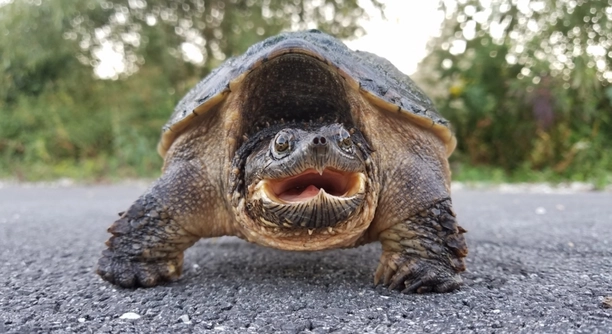
A common snapping turtle’s avoidance of its basking spot may be more than just an odd behavior. There are various factors that could influence this decision. Understanding the causes can help ensure your turtle stays healthy and comfortable.
The primary reasons your common snapping turtle may be avoiding its basking spot include environmental stressors, inadequate basking temperatures, or disturbances. Factors like water quality and the presence of other animals can also contribute to a turtle’s reluctance to bask.
Addressing these issues can lead to a healthier and more content snapping turtle. Recognizing the signs and taking action can help improve their basking habits and overall well-being.
Temperature Imbalance
If the basking area is too cold, your snapping turtle might avoid it altogether. Turtles are cold-blooded and rely on external heat sources to regulate their body temperature. A basking spot should be between 85°F and 95°F. Anything outside of this range can make your turtle uncomfortable, which may cause it to seek shelter elsewhere. Even a slight temperature drop can make a significant difference, leading your turtle to avoid basking altogether.
To ensure proper basking, monitor the temperature closely using a thermometer. Adjust the heat lamp if necessary to maintain the right conditions. Keeping a consistent temperature will encourage your turtle to bask regularly.
In addition, if the basking spot is too hot, your turtle may also steer clear. A temperature that exceeds 95°F can lead to heat stress, which can make the basking spot undesirable. Always double-check the heat source to make sure it is providing the right amount of warmth.
Water Quality
Turtles are sensitive to water quality, and poor conditions can deter them from basking. If your turtle’s environment is dirty, with high levels of ammonia or low oxygen, it may feel stressed and avoid basking to seek a safer area. Clean, clear water is essential for turtle health.
Keeping the water clean can help your turtle feel more comfortable and encourage it to use its basking spot. Frequent water changes and a good filtration system will help maintain a healthier environment for your snapping turtle, making it more likely to bask regularly.
Disturbances in the Environment
A noisy or busy environment can cause stress for your snapping turtle. If there are constant movements or loud sounds near its basking spot, the turtle might feel unsafe. Stress can lead to the avoidance of basking areas, as your turtle looks for quieter, more peaceful spaces.
Make sure to place the basking spot in a location where the turtle can feel secure. Try to reduce unnecessary noises and disturbances around the area. A calm and quiet environment can encourage your turtle to return to its basking spot more frequently.
In addition, other pets or animals can create a stressful environment for your turtle. A territorial dog or a curious cat can drive your snapping turtle to avoid basking altogether. Try to keep other animals away from the turtle’s basking zone to provide a more secure space.
Overcrowding
If there are too many turtles in one enclosure, they may compete for basking space. Overcrowding can create tension, forcing some turtles to avoid basking altogether. This can be especially true in small tanks or areas that don’t provide enough room for each turtle to feel comfortable.
Make sure your snapping turtle has enough space to spread out. A larger enclosure can provide more areas for each turtle to bask and relax without feeling crowded. If there are multiple turtles, consider adding extra basking spots to reduce competition.
When overcrowded, turtles might avoid basking altogether to prevent conflict. It’s important to ensure that your tank provides ample space for each turtle to thrive. Reducing stress from overcrowding can encourage healthy basking habits.
Inadequate Basking Spot
A basking spot that is too small or uncomfortable may discourage your turtle from using it. Turtles need enough space to stretch out and relax. If the area feels cramped or lacks proper surface texture, they may avoid it entirely.
Ensure that your turtle’s basking area is large enough to accommodate its size comfortably. A flat surface with some texture can provide the grip needed for a secure bask. This will make the spot more inviting and encourage your turtle to bask regularly.
Improper UVB Lighting
UVB lighting is essential for your turtle’s health. Without proper exposure to UVB rays, your snapping turtle might avoid basking to compensate for the lack of natural light. UVB helps turtles metabolize calcium, and without it, they may avoid basking altogether.
Make sure to provide a quality UVB light that mimics natural sunlight. Place it above the basking area and replace it regularly to ensure its effectiveness. This will help your turtle stay healthy and encourage it to use the basking spot more often.
Health Issues
Turtles that are not feeling well will often avoid basking. If your snapping turtle is suffering from a health issue, such as a shell infection or metabolic bone disease, it might find basking uncomfortable. These health problems can cause the turtle to shy away from its basking area.
If you notice a sudden change in your turtle’s behavior or if it seems to be avoiding basking consistently, it may be time to check for underlying health problems. Consulting a vet will help diagnose and treat any issues affecting your turtle’s well-being.
FAQ
Why is my snapping turtle not basking?
A snapping turtle may avoid basking for several reasons, including improper temperature, poor water quality, or stress from a noisy environment. It could also be due to health issues or insufficient UVB lighting. Identifying the cause is crucial to ensuring your turtle’s health and comfort.
How can I ensure my turtle’s basking area is the right temperature?
The basking spot should be between 85°F and 95°F. Use a thermometer to monitor the temperature and adjust the heat source as needed. A heat lamp or basking bulb positioned over the area can maintain the right warmth for your turtle to enjoy.
What if my snapping turtle avoids the basking area after water changes?
If your turtle avoids basking after water changes, it could be due to stress or changes in water quality. Make sure to dechlorinate the water and check for any fluctuations in pH or ammonia levels. Maintaining clean water is essential for your turtle’s well-being.
Is overcrowding a common reason for avoiding the basking spot?
Yes, overcrowding can cause stress and competition for basking space. Turtles that feel crowded may avoid basking altogether. Providing enough space for each turtle in the tank or adding extra basking spots can reduce competition and encourage healthier behaviors.
How do I know if my turtle’s basking spot is big enough?
The basking spot should be large enough for your turtle to stretch out comfortably. If it feels cramped, your turtle might avoid it. Ensure the spot has a stable, textured surface to help the turtle grip and feel secure while basking.
Can my snapping turtle bask too much?
Turtles generally know when they’ve had enough sun. While basking is crucial for their health, excessive basking could indicate an underlying problem, such as overheating or illness. Monitor your turtle’s behavior and adjust the basking time accordingly.
What if my turtle is avoiding the basking spot due to other pets?
Other pets, such as dogs or cats, can create a stressful environment for your turtle. They may feel threatened and avoid the basking area. Try to keep other animals away from the turtle’s habitat to reduce stress and allow it to feel secure.
Should I replace the UVB bulb regularly?
Yes, UVB bulbs lose their effectiveness over time. Even if the bulb still emits light, it may no longer provide adequate UVB radiation. Replacing the UVB bulb every 6 to 12 months is recommended to ensure your turtle is getting the necessary UVB exposure for proper health.
How does water quality affect basking behavior?
Poor water quality can cause your turtle to feel stressed and avoid basking. Turtles need clean, well-filtered water to feel comfortable. High ammonia levels, poor oxygenation, or dirty water can lead to health issues, making your turtle more likely to avoid its basking spot.
Can a turtle’s health affect its basking habits?
Yes, turtles suffering from health issues, such as infections or bone disease, might avoid basking. If you notice changes in your turtle’s basking habits or physical condition, a visit to the vet is recommended to diagnose any underlying problems.
Why is my turtle avoiding basking after a long period of being inactive?
If your turtle has been inactive for a while, it may be hesitant to bask due to weakness, illness, or temperature changes. Gradually increase the water and basking temperature to encourage activity. If the behavior continues, consult a vet to rule out health problems.
How can I create a more comfortable basking environment for my turtle?
Ensure your turtle’s basking area is clean, well-lit, and appropriately heated. Provide a large, textured surface that allows your turtle to stretch out. Additionally, minimize disturbances in the environment to create a peaceful, stress-free area for basking.
What if my turtle refuses to bask, but the environment seems perfect?
If the environment is ideal, but your turtle still avoids basking, it could be due to health issues, stress, or a behavioral problem. Carefully monitor your turtle’s behavior and consult a vet if the issue persists, especially if accompanied by changes in eating or swimming habits.
Can changing the position of the basking spot help?
Yes, changing the location of the basking spot might make it more appealing. Try moving it to a quieter area with less foot traffic. A spot with natural light (if safe) might also encourage your turtle to bask more frequently.
How can I tell if my snapping turtle is too stressed to bask?
Signs of stress in turtles include hiding, loss of appetite, and avoiding basking. If your turtle is consistently staying in the water or hiding away from the basking spot, it may be stressed. Look for changes in behavior and environment to identify the stress factors.
Final Thoughts
Turtles, especially snapping turtles, rely on their basking spots for several important reasons, including regulating body temperature and absorbing UVB light for overall health. If your turtle is avoiding the basking area, it could be due to a number of factors, such as environmental issues, discomfort, or health problems. It’s important to identify the root cause to ensure that your turtle is comfortable and thriving. By providing the right temperature, a suitable basking spot, and proper lighting, you can help your turtle feel safe and encourage it to bask more regularly.
In some cases, turtles avoid basking because of stress from overcrowding, changes in water quality, or external threats, like other pets. Creating a peaceful environment with enough space and ensuring water quality remains optimal will reduce these stressors. Additionally, regularly changing the UVB bulb and making sure the basking area is large enough for your turtle to stretch out comfortably are key steps in promoting basking. If your turtle still avoids basking, it may be worth checking for signs of illness. Health issues can cause discomfort, leading your turtle to avoid the basking spot altogether.
If you notice a significant change in behavior, such as consistent avoidance of the basking area, consult a vet to rule out any underlying health concerns. Keeping a watchful eye on your turtle’s activity and environment will help you quickly address any issues that may arise. Remember, each turtle is different, and what works for one may not work for another. By adjusting the basking area and maintaining a clean, stress-free habitat, you can create an environment that encourages your snapping turtle to bask regularly and remain healthy.

Hello,
If you enjoy the content that we create, please consider saying a "Thank You!" by leaving a tip.
Every little bit helps us continue crafting quality advice that supports the health, happiness, and well-being of pets around the world, for pets of all shapes, sizes, and species.
We really appreciate the kindness and support that you show us!