
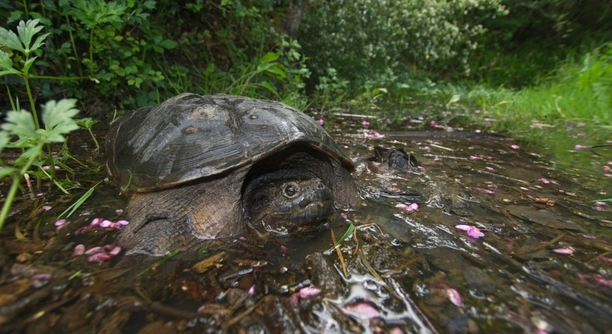
A common snapping turtle’s inability to shed its skin properly can indicate several potential issues. Understanding the reasons behind this behavior is crucial for their health and well-being, ensuring they remain comfortable and thriving.
The main reason your common snapping turtle may not be shedding its skin properly is due to insufficient humidity, poor diet, or environmental stress. These factors can interfere with the shedding process, making it difficult for the turtle to shed completely.
Identifying and correcting these factors will help your turtle shed properly and live more comfortably.
Humidity and Shedding Issues
If your snapping turtle is struggling with shedding, one of the first things to check is the humidity in its habitat. Snapping turtles, like many reptiles, require specific humidity levels to shed their skin properly. Low humidity can cause the skin to dry out, making it difficult for your turtle to shed fully. This can lead to skin retention or even infections in extreme cases.
Ensure the tank maintains an appropriate humidity level, typically between 60-80%. Adding a humidity gauge can help you monitor this easily. If the environment is too dry, consider adding a water feature, a damp substrate, or a humidity-controlled environment to maintain proper conditions.
A simple change in humidity levels could significantly improve the shedding process. By adjusting the environment, your turtle will have better conditions to shed naturally, avoiding discomfort or complications. Check the humidity levels regularly to ensure it stays within the recommended range.
Diet and Nutritional Impact
A poor diet can also play a role in shedding problems. Snapping turtles require a balanced diet of proteins, greens, and occasional supplements to stay healthy. A deficiency in key nutrients, particularly vitamins A and E, can cause skin issues and shedding difficulties.
Ensure your turtle receives a variety of appropriate food items, such as insects, small fish, and leafy greens. Adding vitamin supplements, like those containing beta-carotene, may help if dietary gaps are present. Avoid overfeeding or providing too much of one type of food, as balance is key.
In addition to diet, make sure the water is clean and free of pollutants that could affect the turtle’s skin and overall health. An improper diet or unhealthy water can exacerbate shedding issues. Regularly evaluate the turtle’s feeding habits and adjust as necessary to promote healthy skin.
Stress and Environmental Factors
Environmental stress can interfere with the shedding process in snapping turtles. Stress from factors like loud noises, temperature fluctuations, or overcrowded conditions can weaken their immune system and hinder skin shedding. A calm, stable environment is essential for your turtle’s health.
Ensure the tank is placed in a quiet area where the turtle feels safe. Avoid sudden temperature changes, and provide adequate space for the turtle to move freely. A peaceful and stable habitat helps reduce stress, allowing your turtle to shed its skin naturally. Consistent care improves overall health and shedding conditions.
Keeping the environment stress-free doesn’t just help with shedding; it enhances your turtle’s general well-being. Reducing external stress factors gives your turtle the chance to thrive in its habitat. Make sure the temperature stays within the ideal range for snapping turtles, typically around 75-85°F. Regularly clean the tank and avoid overcrowding to minimize stress.
Inadequate Water Quality
Dirty water can also play a major role in shedding issues. If the water in the turtle’s tank is not regularly cleaned, harmful bacteria and waste can build up, leading to skin irritation and improper shedding. Snapping turtles thrive in clean, filtered water, and poor water quality can make them uncomfortable.
Invest in a quality water filter that can handle the size of the tank. Regularly change the water, ensuring it’s free from waste and debris. A proper filtration system keeps harmful particles from affecting the turtle’s skin, reducing the chances of shedding problems. Water quality directly impacts your turtle’s health.
To maintain good water quality, monitor the tank regularly for debris and waste buildup. A water change once a week, depending on the tank size, will keep conditions optimal. Clean the filter and remove any visible waste to prevent bacterial growth. By providing clean water, your turtle’s chances of proper skin shedding will increase, promoting a healthier and more comfortable environment.
Mites and Skin Infections
Mites or skin infections are another common cause of shedding problems. These tiny parasites can irritate the skin, causing inflammation and interfering with the shedding process. A healthy turtle is less prone to such issues, but poor water quality or stress can make them more vulnerable.
Inspect the skin regularly for signs of irritation or small bumps, which may indicate mites or an infection. If mites are suspected, consider a proper treatment or consult a vet to get rid of them. Keeping the environment clean and stress-free reduces the risk of these infections and shedding problems.
Regularly checking for signs of infection or parasites can prevent major issues down the line. Treating any skin conditions early ensures that shedding remains normal and that your turtle stays healthy. Consult a vet for any unusual symptoms that persist after you’ve addressed the water quality and other factors.
Improper Temperature
Improper tank temperature can also hinder the shedding process. Snapping turtles rely on a specific temperature range to regulate their metabolism and promote healthy skin. A tank that is too cold or too hot can stress the turtle and disrupt natural shedding patterns.
The ideal temperature for snapping turtles is around 75-85°F. Use a reliable thermometer to monitor the tank and avoid fluctuating temperatures. Too much heat or cold can slow down the shedding process, while a stable temperature provides the best environment for skin health.
A consistent temperature is critical for your turtle’s overall well-being. Adjust the heater or cooling system in the tank as needed to keep the temperature in the recommended range. Stability in the tank’s temperature promotes healthy skin and supports the shedding process, helping your turtle thrive.
Insufficient UVB Light
UVB light plays an important role in the overall health of snapping turtles. It helps them metabolize calcium and keep their skin healthy. Lack of proper UVB exposure can affect their ability to shed skin properly, as it impacts their overall metabolism and immune system.
Without adequate UVB light, turtles may become lethargic, have trouble shedding, or even develop other health issues. A UVB lamp placed at the proper distance can help meet the turtle’s needs. Ensure the lamp is replaced regularly, as UVB light loses effectiveness over time.
Setting up a UVB light source is simple and can drastically improve your turtle’s health. Position the light over the basking area to give your turtle the exposure it needs for vitamin D3 production. This will help maintain proper shedding and skin health.
FAQ
What are the signs that my snapping turtle is having trouble shedding?
If your snapping turtle is having trouble shedding, you might notice it struggling to remove old skin. The skin may become flaky, and pieces may remain stuck to the turtle’s body. You may also see signs of irritation, such as redness or swelling, indicating that the turtle is having difficulty. In severe cases, parts of the old skin may get stuck, leading to infections. Regularly check for these signs to ensure proper shedding and take steps to correct any issues as they arise.
Can I help my snapping turtle shed its skin?
Yes, you can help by creating a better environment for your turtle. Start by adjusting the humidity, water quality, and temperature. If your turtle is having trouble shedding, you may need to increase humidity or improve its diet. Ensure the water is clean and free of bacteria, and check the UVB lighting in the tank. You can also gently remove small pieces of skin that are stuck, but avoid forcefully peeling off large sections, as it may cause injury.
How can I improve my turtle’s shedding environment?
To improve your snapping turtle’s shedding environment, focus on humidity, temperature, water quality, and lighting. Ensure the humidity level is between 60-80%. This can be maintained by adding a water feature, using a humidity gauge, or misting the tank. The temperature should stay between 75-85°F, and the water should be clean and filtered. Place a UVB light above the basking area to help with calcium metabolism. Providing a stress-free, calm environment will also encourage proper skin shedding.
How often should I clean my snapping turtle’s tank?
The tank should be cleaned regularly to ensure proper water quality. Perform partial water changes every week, replacing about 25-30% of the water. If you have a filter, clean it once a month to prevent buildup. Spot-clean the tank daily, removing visible waste or debris. A clean environment helps prevent bacteria buildup, which could affect your turtle’s skin and shedding process. Make sure to clean decorations, rocks, and the substrate as needed.
Why does my snapping turtle have skin infections?
Skin infections can occur when the turtle’s environment is not properly maintained. Dirty water, poor diet, and stress are all factors that can lead to infections. Infections might also occur if the turtle suffers from injury or exposure to harmful bacteria. It’s essential to maintain clean water, regulate temperature, and ensure a balanced diet to prevent infections. If you notice symptoms such as redness, swelling, or pus, consult a vet immediately for proper treatment.
Can I use any specific treatments for shedding problems?
If your snapping turtle has shedding problems, avoid using chemical treatments unless recommended by a vet. Instead, focus on improving environmental factors like humidity, water quality, and diet. You can also soak your turtle in clean, lukewarm water to help loosen the skin. If necessary, consult a veterinarian for advice on appropriate treatments. Never attempt to peel the skin manually unless directed by a professional, as this can cause harm.
Is it normal for my snapping turtle to shed large pieces of skin?
Yes, it’s normal for snapping turtles to shed large pieces of skin. Turtles often shed their skin in patches, especially during molting periods. However, if large pieces remain stuck or if there are signs of infection, it could indicate a problem. Regular observation will help you determine if the shedding is normal. If you see persistent skin retention, it’s best to adjust the turtle’s habitat or consult a vet for advice.
What should I do if my turtle’s skin is peeling in large patches?
If your turtle is shedding in large patches, it could be a sign of stress, an improper environment, or a skin infection. First, check the humidity, temperature, and water quality in the tank. Make sure the UVB light is functioning properly and that the turtle is eating a balanced diet. If the issue persists, consult a vet for a more thorough examination and to rule out any infections or underlying health problems. Never pull off large pieces of skin by force, as this can cause harm.
How can I prevent my turtle from getting mites or skin infections?
Preventing mites and skin infections starts with maintaining a clean and healthy environment. Regularly clean the tank and water, and ensure the water is properly filtered. Avoid overcrowding and reduce stress in the tank. Provide a balanced diet, and make sure the turtle has adequate UVB light. If you notice any signs of mites or infections, such as small bumps or red patches, consult a vet immediately. Catching these problems early can help prevent further issues.
How do I know if my turtle is getting enough UVB light?
A snapping turtle needs UVB light for calcium metabolism, which is essential for shell and skin health. If the turtle appears lethargic, has trouble shedding, or shows signs of weak bones, it might not be getting enough UVB light. Ensure the UVB light is positioned directly over the basking area, and replace it every 6-12 months, as UVB bulbs lose their effectiveness over time. You can also monitor your turtle’s behavior and skin to look for any signs of deficiency.
Can I use natural sunlight to provide UVB light?
Yes, natural sunlight can provide UVB light. However, it’s important to ensure that the turtle has access to sunlight for several hours each day. Direct sunlight through a window may not provide adequate UVB, so it’s best to place the tank outside during warm weather, where the turtle can bask in natural sunlight. Be cautious of temperature changes and avoid overheating. During the colder months or when natural sunlight isn’t sufficient, it’s recommended to use a UVB lamp designed for reptiles.
What happens if my snapping turtle isn’t shedding properly?
If your snapping turtle isn’t shedding properly, it could lead to skin infections, discomfort, or even long-term health problems. Retained skin can cause irritation, and in severe cases, it may become infected. Poor shedding can also be a sign of other issues, such as improper humidity, diet, or water quality. It’s important to address these factors to help your turtle shed properly and prevent health complications. Regular observation and care are key to ensuring your turtle stays healthy and comfortable.
Final Thoughts
Caring for a snapping turtle involves understanding its needs, especially when it comes to shedding its skin. While it’s common for turtles to shed in pieces, trouble can arise if they have difficulty shedding. This can be caused by several factors, including poor water quality, incorrect humidity, or improper lighting. Ensuring that your turtle’s environment is clean, well-lit, and properly maintained will encourage healthy shedding. Regularly checking on the water quality, temperature, and humidity can prevent many issues before they become serious problems. Providing a balanced diet with adequate calcium is also essential for proper skin and shell health.
If your snapping turtle is not shedding properly, it is important to address the problem promptly. You can help by making changes to the turtle’s environment, such as adjusting the humidity levels or increasing the basking temperature. If you notice signs of skin infection or irritation, taking action quickly can help prevent more serious health issues. Gently removing stuck skin can also assist in the shedding process, but it’s best not to forcefully peel it off to avoid injury. A veterinarian may be necessary if the problem persists or if you suspect an infection.
Ultimately, the key to maintaining your turtle’s health is consistent care. Regular tank maintenance, proper lighting, and a nutritious diet will help prevent most shedding problems. Keeping a watchful eye on your turtle’s behavior, including changes in activity or shedding patterns, is important for spotting early signs of issues. By understanding the causes of improper shedding and taking the right steps to correct it, you can ensure your snapping turtle remains healthy and comfortable.

Hello,
If you enjoy the content that we create, please consider saying a "Thank You!" by leaving a tip.
Every little bit helps us continue crafting quality advice that supports the health, happiness, and well-being of pets around the world, for pets of all shapes, sizes, and species.
We really appreciate the kindness and support that you show us!