
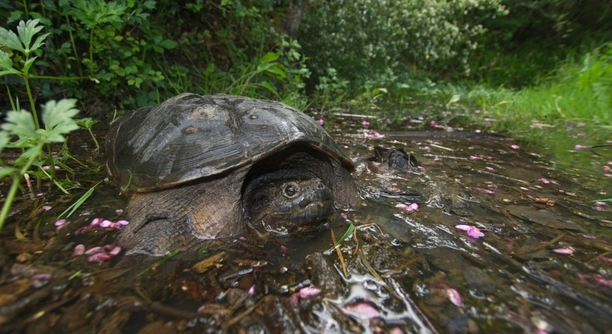
Dehydration can be a serious issue for common snapping turtles. These creatures, like other reptiles, rely on proper hydration for their health and well-being. Understanding the causes of dehydration is key to ensuring they thrive in their habitats.
The primary causes of dehydration in common snapping turtles include inadequate access to water, extreme temperatures, poor diet, and insufficient humidity. Health problems, such as infections, can also contribute to dehydration, making it crucial to monitor their conditions closely.
Proper care and attention to their environment can help prevent dehydration in these turtles. Let’s look at the most common causes to help you ensure their health and comfort.
Inadequate Access to Water
One of the most common causes of dehydration in common snapping turtles is a lack of access to clean water. These turtles need a water source that is easily accessible to drink from and soak in. If their environment doesn’t provide this, dehydration can quickly become an issue. Turtles require both dry and wet areas in their habitat, as this allows them to regulate their hydration levels.
Without a proper water source, turtles can become stressed, which impacts their overall health. It’s important to provide a shallow water dish that they can easily reach. For larger setups, having a small pond or pool with clean water is essential for their well-being.
It’s also crucial to maintain clean water at all times. Dirty or stagnant water can encourage bacterial growth, which could lead to infections that further worsen dehydration. Make sure the water is refreshed regularly to avoid contamination. Without a constant and clean water source, snapping turtles will struggle to stay hydrated.
Extreme Temperatures
Extreme temperatures, whether too hot or cold, can significantly affect a snapping turtle’s hydration levels.
When exposed to very high temperatures, turtles tend to lose more moisture from their bodies through respiration and evaporation. On the other hand, in cold conditions, they may not feel the urge to drink as often, which can lead to dehydration. It’s essential to maintain a temperature range that mimics their natural habitat for optimal hydration and health.
A well-regulated environment with a heat source for basking and cooler areas for resting ensures that your snapping turtle stays comfortable and hydrated. Overheating or freezing conditions lead to stress, which can make them less likely to drink or seek out water, resulting in dehydration. Proper temperature control is vital for their overall well-being.
Poor Diet
A poor diet is another significant cause of dehydration. Common snapping turtles require a diet rich in water-dense foods like aquatic plants, fish, and insects. These foods not only provide essential nutrients but also help maintain hydration.
Without enough water-based foods, a turtle will be more likely to become dehydrated. Processed or dry foods do not have the same water content and can contribute to a lack of hydration. It’s crucial to offer a balanced diet that includes fresh, moist food to help them maintain their hydration levels.
Foraging and eating a variety of water-filled foods ensures that your turtle is receiving not just nutrients but also the moisture necessary for healthy digestion and hydration. When providing food, ensure that your turtle has a mix of both water-based and solid foods to meet all of its hydration needs.
Health Issues and Infections
Health issues and infections are another factor that contributes to dehydration in snapping turtles. Certain diseases or infections can affect their ability to absorb water properly or cause them to lose fluids more rapidly.
When a turtle is ill, its metabolism and hydration can be disrupted. For example, respiratory infections or gastrointestinal issues may cause fluid loss through mucus production or diarrhea. In these cases, the turtle may not drink enough to replenish the fluids it’s losing.
Infections and illnesses often go unnoticed, so regular checkups are necessary to spot any signs of dehydration. If you suspect your turtle is dehydrated due to illness, seek veterinary help immediately to prevent further health complications. Prompt treatment of underlying health issues can help restore hydration and prevent long-term damage.
Insufficient Humidity
Humidity plays a significant role in maintaining hydration levels for snapping turtles. Inadequate humidity can lead to dehydration, as these turtles need a moist environment to thrive. Without proper humidity, they will not be able to absorb the moisture they need from the air.
It’s important to ensure that your turtle’s habitat maintains a humidity level between 60% and 80%. This range will provide the moisture needed to prevent dehydration. If the humidity is too low, you can raise it by adding a water source or misting the enclosure regularly.
A lack of humidity not only causes dehydration but also impacts the turtle’s skin and overall health. Without a humid environment, the shell and skin may become dry and cracked. Keeping humidity levels in check is vital to help your snapping turtle remain hydrated and healthy.
Stress
Stress is a common and often overlooked factor that can contribute to dehydration in snapping turtles. Turtles that experience frequent stress, whether from environmental changes or improper handling, can show signs of dehydration. Stress can interfere with a turtle’s natural behavior, including eating and drinking habits.
Common sources of stress in turtles include sudden temperature changes, overcrowded living spaces, and loud noises. When a turtle is stressed, it may refuse to drink or eat, leading to dehydration. This is why it’s essential to create a calm and stable environment for your turtle, free from unnecessary disturbances.
Providing a proper habitat, ensuring minimal interaction, and maintaining consistency in its surroundings will help reduce stress. When a turtle feels secure, it is more likely to drink and stay hydrated. Addressing stressors quickly can prevent dehydration and other health issues from developing.
Overexposure to Sunlight
Too much direct sunlight can lead to dehydration in snapping turtles. While they need sunlight for basking, overexposure can cause them to lose moisture too quickly. It’s crucial to strike a balance between sun exposure and shaded areas in their habitat.
Providing a shaded spot for your turtle allows it to escape from direct sunlight when necessary. This helps prevent overheating and moisture loss. Without a cool area to retreat to, turtles may become stressed and dehydrated. The right mix of sunlight and shade ensures your turtle can bask safely without risking dehydration.
Improper Enclosure Size
An enclosure that is too small can contribute to dehydration. Snapping turtles need space to move around, access water, and regulate their body temperature. Without enough space, they may not drink as much, leading to dehydration.
A spacious enclosure offers the turtle enough room to choose between dry and wet areas, promoting hydration. It’s important to create an environment that mimics their natural habitat as closely as possible. If the enclosure is cramped, it may lead to stress, poor hydration, and health issues.
Poor Water Quality
Water quality directly impacts a turtle’s hydration. Dirty or contaminated water can discourage turtles from drinking, even when they need it most. If the water is not clean, your snapping turtle may avoid it, increasing the risk of dehydration.
Regular water changes and filtration can help ensure that the water remains clean and fresh. Turtles will be more likely to drink from clear, uncontaminated water. Ensuring proper water quality also helps prevent the growth of harmful bacteria that could lead to infections. Keeping the water clean benefits your turtle’s hydration and overall health.
FAQ
How can I tell if my snapping turtle is dehydrated?
Signs of dehydration in snapping turtles include lethargy, sunken eyes, dry skin, and a lack of appetite. If your turtle isn’t drinking or soaking in water, this could be a warning sign as well. You might also notice a decrease in activity or unusual behavior. Keeping an eye on your turtle’s hydration and noticing any changes is crucial.
If your turtle seems unusually inactive or its skin appears dry and rough, these could be indicators of dehydration. It’s always best to check the water levels, humidity, and the general environment to rule out environmental causes. Regular health checks are important to catch dehydration early.
What’s the best way to keep my snapping turtle hydrated?
To keep your snapping turtle hydrated, ensure they have constant access to clean, fresh water. Providing a shallow water dish or a pond in their enclosure allows them to drink and soak as needed. Make sure the water is not too deep for them to navigate easily. Regularly change the water to avoid contamination.
Additionally, incorporating water-rich foods into their diet, like aquatic plants and live fish, can help maintain hydration. Keeping the humidity levels at an appropriate range of 60-80% will also support hydration. Regularly monitor the temperature to make sure it’s not too high, as heat can lead to excessive moisture loss.
Can I give my snapping turtle a bath to help with dehydration?
Yes, giving your snapping turtle a bath can help with hydration. Soak your turtle in shallow, lukewarm water for about 10 to 15 minutes. This can encourage them to drink and absorb moisture. However, don’t force the turtle into the water—let them enter naturally if they choose.
It’s important to only use clean water and ensure the water temperature is comfortable, as extremes in temperature can stress your turtle. This method is especially helpful if you notice your turtle has been avoiding water or is showing early signs of dehydration.
What temperature should my snapping turtle’s habitat be to prevent dehydration?
Snapping turtles require a temperature range of 75-85°F (24-29°C) for their habitat. Keeping the water and air temperature within this range helps them regulate their body temperature and stay hydrated. It’s crucial not to expose them to temperatures that are too high, as this can lead to dehydration.
If you use a heat lamp or basking area, make sure your turtle has access to cooler areas where it can rest and drink. Extreme temperatures can cause dehydration, so consistency is key. Keeping the enclosure temperature steady will help prevent dehydration-related issues.
Is it okay for my snapping turtle to stay out of the water for too long?
Snapping turtles are semi-aquatic, meaning they need both land and water. While they do bask on land, staying out of water for too long can lead to dehydration. It’s important to offer them a water source where they can drink and soak regularly.
If your turtle is consistently staying away from the water or is reluctant to return to it, this may indicate dehydration or environmental issues. Make sure the water is clean, shallow enough for them to access easily, and at an appropriate temperature to encourage hydration.
Can dehydration affect my snapping turtle’s shell?
Yes, dehydration can have an impact on your snapping turtle’s shell. If the turtle doesn’t have enough water, its shell can become dry, brittle, and even develop cracks. This is especially common in environments where humidity is too low or water quality is poor.
To avoid shell problems, ensure your turtle is properly hydrated and that the enclosure maintains the right level of moisture. A healthy hydration routine is key to a strong and well-maintained shell. Regular soaking and bathing can also help prevent this issue.
How can I reduce stress in my snapping turtle to prevent dehydration?
Reducing stress is essential to keeping your snapping turtle hydrated. Stress can cause them to avoid drinking and lead to dehydration. To reduce stress, maintain a consistent environment with proper temperature, humidity, and space. Avoid excessive handling or loud noises that might disturb them.
Make sure the enclosure has both basking and cooling areas so your turtle can regulate its body temperature. Having enough space and enriching the habitat with hiding spots also helps reduce stress. A stress-free turtle is more likely to drink and stay hydrated.
What should I do if my snapping turtle refuses to drink water?
If your snapping turtle refuses to drink water, you should first check the environment for possible causes. Ensure the water is clean, the temperature is right, and humidity is maintained. Sometimes, turtles avoid drinking if the water is too dirty or if there is a high level of stress.
Offering fresh, water-dense foods such as leafy greens or aquatic plants can encourage your turtle to hydrate. If the refusal to drink continues and dehydration signs appear, a bath or soak in clean, lukewarm water may help rehydrate your turtle.
Can poor water quality cause dehydration in snapping turtles?
Yes, poor water quality can contribute to dehydration. If the water is dirty or contaminated, snapping turtles may avoid drinking from it. They can also avoid soaking in polluted water, as it may not feel comfortable or safe. Regular water changes and filtration are essential.
Make sure the water in their enclosure remains clean by changing it frequently and using a filter to prevent bacteria buildup. Clean water encourages your turtle to drink, which will help prevent dehydration. Always monitor the water quality closely to avoid dehydration risks.
Final Thoughts
Keeping your snapping turtle hydrated is essential for its overall health and well-being. Dehydration can lead to various health problems, such as lethargy, dry skin, and even shell issues. By maintaining the right environment with clean water, proper humidity, and a balanced diet, you can ensure that your turtle stays hydrated. It’s important to create a habitat that closely mimics their natural surroundings, allowing them to access both water and dry areas when needed. Regularly monitoring their behavior and health will help you catch any signs of dehydration early, giving you a better chance of correcting it before it becomes a serious problem.
In addition to water, offering water-rich foods like aquatic plants and fish can also help with hydration. If your turtle shows signs of dehydration, such as refusing to drink, offering a warm bath can encourage them to absorb moisture. Keep in mind that stress can also contribute to dehydration, so minimizing disturbances in their environment is just as important as maintaining the right water conditions. A stress-free, well-maintained environment will make it easier for your turtle to stay hydrated and healthy. It’s important to stay proactive when it comes to your turtle’s care, as a dehydrated turtle can face long-term health consequences if not addressed.
Taking care of a snapping turtle involves more than just feeding and cleaning. Ensuring proper hydration is a key factor in their health. By paying attention to their hydration needs and making the necessary adjustments to their environment, you can help your turtle thrive. Whether it’s ensuring that the water stays clean, adjusting humidity levels, or offering water-rich foods, every little bit counts. By following these guidelines, you can help your snapping turtle maintain its hydration and avoid the risks associated with dehydration.

Hello,
If you enjoy the content that we create, please consider saying a "Thank You!" by leaving a tip.
Every little bit helps us continue crafting quality advice that supports the health, happiness, and well-being of pets around the world, for pets of all shapes, sizes, and species.
We really appreciate the kindness and support that you show us!