
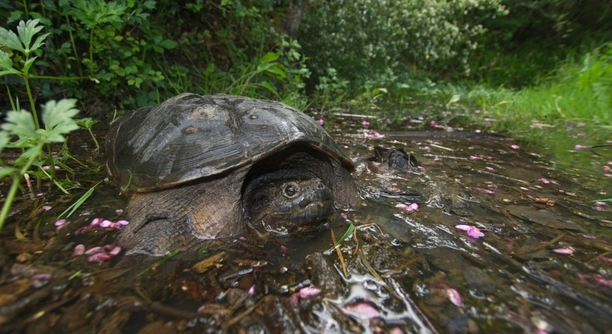
Metabolic Bone Disease (MBD) is a common health issue that affects many reptiles, including snapping turtles. It’s important to recognize the signs early to ensure your turtle stays healthy. In this article, we’ll explore what to look out for.
Metabolic Bone Disease in snapping turtles occurs when their bodies are unable to properly metabolize calcium, leading to weakened bones and shells. This condition is often caused by improper diet, lack of UVB light, or poor habitat conditions.
Understanding the symptoms of MBD is crucial for your snapping turtle’s well-being. By learning the signs, you can take steps to help prevent or manage this condition and ensure your pet’s health for years to come.
Difficulty Moving or Walking
A snapping turtle with Metabolic Bone Disease (MBD) may struggle with movement. Weak bones and muscles often result in difficulty walking or swimming. This can happen because the bones are unable to support their body properly, leading to a lack of coordination. As a result, your turtle might appear sluggish or unbalanced, either when walking on land or attempting to swim. If your turtle shows signs of discomfort when trying to move, it could be a warning sign that something is wrong. If left untreated, MBD can lead to permanent damage.
MBD’s impact on movement may worsen over time, especially if untreated. If your turtle’s movements seem stiff or labored, it is important to monitor for other signs.
Keeping your turtle active is essential for its overall health. A lack of exercise from mobility issues can lead to further complications, like obesity or muscle atrophy. If your turtle is having trouble moving, the underlying issue could be related to poor calcium absorption, which affects bone strength. It’s vital to evaluate your turtle’s living environment and diet to see if they need adjustments. Regular UVB light exposure and a balanced diet rich in calcium can help prevent these issues. If movement difficulties persist, it’s a good idea to consult with a vet for a proper diagnosis.
Swollen or Soft Shell
One of the most noticeable signs of MBD in snapping turtles is a soft or swollen shell. A healthy turtle’s shell should be hard and strong. However, if your turtle’s shell feels unusually soft to the touch or seems swollen in certain areas, this could indicate weakened bones due to MBD. The condition occurs because the turtle’s body lacks proper calcium, which is essential for shell growth and strength.
If the shell is not properly formed or appears swollen, it is critical to address the diet and lighting conditions as soon as possible. Without intervention, the shell will not improve on its own.
The shell of a snapping turtle is one of its most important features, offering protection from predators and physical damage. Calcium is necessary to maintain the shell’s integrity. When your turtle lacks calcium, it struggles to keep its shell hard and sturdy, leading to deformities. It’s important to ensure your turtle gets enough calcium in its diet and sufficient UVB light exposure to help it absorb the calcium properly. A proper habitat setup, including UVB lighting and a balanced diet, will improve bone health and shell strength. Regular vet visits will also help catch the condition early.
Abnormal or Deformed Limbs
MBD can cause your turtle’s limbs to look deformed or misaligned. When the bones lack calcium, they weaken, leading to abnormalities in shape. These deformities can make it difficult for the turtle to walk or swim properly. If you notice any noticeable changes in limb shape, it could signal the presence of MBD.
Deformed limbs often result from long-term calcium deficiency. As the bones become brittle, the joints and limbs may start to bend or curve. If your turtle’s limbs appear unusually shaped, take action immediately to correct the diet and lighting.
Treatment for deformed limbs often focuses on improving calcium intake and increasing UVB light exposure. These changes help support bone health, allowing your turtle to regain strength and mobility. Over time, providing the proper nutrients and care may help restore some of the normal structure of the limbs, though severe deformities may be permanent.
Difficulty Shedding Skin or Scales
If your snapping turtle has trouble shedding skin or scales, this can be another sign of MBD. When calcium levels are low, the shedding process may become irregular. Turtles typically shed their outer layers of skin and scutes (scales on their shell) regularly, but with MBD, this process can become sluggish or incomplete.
If you notice that your turtle’s skin or scutes are peeling in patches or not coming off at all, this is a clear indicator that the turtle’s bones aren’t getting the calcium they need. The shedding issue often worsens with time.
To help your turtle shed properly, ensure its diet is rich in calcium and that it receives adequate UVB light exposure. This helps regulate its metabolism, enabling a healthier, more efficient shedding process. Regularly check for signs of incomplete shedding, as this can lead to further health problems. By correcting the diet and light conditions, you can encourage your turtle’s natural shedding cycle to return.
Loss of Appetite
A snapping turtle with MBD may start to eat less or even refuse food. Weak bones and poor health can make them less interested in eating, as their bodies struggle to function properly. If you notice a lack of appetite, it could be due to MBD.
A loss of appetite is often a result of your turtle feeling discomfort or pain from weak bones and muscles. The underlying issue may not be easily noticeable, but it’s important to monitor your turtle’s eating habits. If they’re eating significantly less, make sure to address their calcium and vitamin intake.
Weak or Thin Shell
A weak or thin shell is a major indicator of MBD in snapping turtles. This happens when the calcium required for shell growth is insufficient, leaving it fragile. You may notice cracks, indentations, or thinning of the shell’s outer layer.
A weak shell can be caused by prolonged calcium deficiency, making the shell unable to provide protection. Over time, this can lead to increased risk of injury. Improving your turtle’s diet and lighting is essential to support shell regeneration. Calcium supplements and UVB light exposure can help restore its strength. Consistency in proper care is key to avoiding long-term damage.
Trouble Basking
If your turtle is having trouble basking, it may be a sign of MBD. Snapping turtles rely on basking to regulate their body temperature and absorb UVB light, which helps them metabolize calcium. A turtle with MBD may lack the energy or strength to bask properly.
FAQ
What causes Metabolic Bone Disease in snapping turtles?
Metabolic Bone Disease (MBD) in snapping turtles is caused by an imbalance in calcium, phosphorus, and vitamin D3. The most common reason for this is inadequate UVB light exposure, poor diet, or both. Without proper UVB lighting, turtles cannot synthesize enough vitamin D3, which is necessary to absorb calcium. A diet lacking in calcium or an improper calcium-to-phosphorus ratio can also contribute. To avoid MBD, make sure your turtle has a well-balanced diet and sufficient access to UVB light.
How can I prevent Metabolic Bone Disease in my snapping turtle?
The best way to prevent MBD is by providing a proper diet and lighting. Ensure your turtle has access to UVB light for 10-12 hours a day. A balanced diet should include calcium-rich foods such as leafy greens, supplemented by calcium powder. You may also want to provide vitamin D3 supplements to help calcium absorption. Regularly check your turtle’s living environment to make sure it’s providing the necessary conditions for healthy growth.
What can I do if my snapping turtle already has Metabolic Bone Disease?
If you notice signs of MBD in your turtle, the first step is to adjust its diet and lighting. Add UVB lighting to its enclosure if not already provided, and adjust its diet to include calcium supplements and vitamin D3. Consult a veterinarian, especially if the symptoms are severe. The vet may suggest calcium injections or other treatments to help manage the disease. Early intervention is key to preventing permanent damage.
Can Metabolic Bone Disease be reversed?
In some cases, the effects of MBD can be reversed, especially if caught early. When a turtle receives proper calcium, UVB exposure, and a healthy diet, it can slowly regain strength. However, in more advanced stages, some damage to the bones and shell may be permanent. While improvement is possible, it may not fully return to the state it was before the disease developed.
How do I know if my turtle’s shell is thinning due to MBD?
If your turtle’s shell is soft to the touch or feels thinner than usual, it could be a sign of MBD. A healthy shell should be firm and solid. If it appears soft or has cracks or indentations, this is a warning sign. You can also look for swelling or abnormalities on the shell, which may be caused by the disease. If you notice these signs, make sure to consult a vet.
What type of lighting should I provide for my snapping turtle?
Snapping turtles need both UVA and UVB light to stay healthy. UVB lighting is crucial because it helps your turtle absorb calcium and synthesize vitamin D3. UVA light is important for stimulating natural behaviors like basking and feeding. The light should be on for 10-12 hours per day and replaced every 6-12 months, as UVB output diminishes over time.
How can I tell if my snapping turtle has difficulty swimming due to MBD?
If your turtle is having trouble swimming, it could be due to weakened bones and muscles caused by MBD. You might notice that it struggles to stay afloat or has trouble moving through the water. It may also exhibit more sluggish movements or float at odd angles. If these signs are noticeable, it’s important to evaluate its habitat and diet, and seek veterinary advice.
Is it safe to use calcium supplements for my snapping turtle?
Yes, calcium supplements are safe for turtles when used properly. However, it’s important to avoid over-supplementing, as this can cause issues with your turtle’s health. Make sure to choose a calcium supplement that is specifically designed for reptiles and that contains no phosphorus. Dusting your turtle’s food with calcium powder 2-3 times a week is a good routine. Be sure to consult with your vet for more specific recommendations.
How often should I feed my snapping turtle to avoid MBD?
Feed your snapping turtle a balanced diet regularly. Juvenile turtles may need to eat more frequently, while adults can be fed every other day or every two days. A proper diet includes leafy greens, calcium-rich vegetables, and high-quality pellets. A varied diet ensures that the turtle receives the necessary nutrients to prevent MBD. Ensure the food provided has the right balance of calcium and phosphorus.
Can stress contribute to Metabolic Bone Disease in snapping turtles?
While stress alone does not directly cause MBD, it can contribute to a turtle’s overall health decline. Stress can affect feeding habits, making it harder for your turtle to get the nutrients it needs. In addition, stress can weaken the immune system, which makes your turtle more susceptible to diseases like MBD. Ensure your turtle’s environment is calm and safe to prevent stress and help maintain its health.
How long does it take for a snapping turtle to recover from MBD?
The recovery time for MBD can vary depending on the severity of the condition and how early treatment begins. In mild cases, improvement may be seen in a few weeks with proper diet and lighting. For more severe cases, it could take several months for noticeable improvement. Some damage, especially to the shell, may not fully heal, but the turtle can live a healthy life with the right care.
Final Thoughts
Metabolic Bone Disease (MBD) is a serious condition that can affect your snapping turtle’s health, but it is preventable and manageable with the right care. Understanding the signs of MBD is important because early detection can make a significant difference in how well your turtle recovers. Providing a balanced diet, proper UVB lighting, and a suitable living environment can go a long way in keeping your turtle healthy. By paying attention to your turtle’s behavior and physical condition, you can spot the early warning signs of MBD and take action before it becomes a bigger problem.
The key to preventing MBD is ensuring that your snapping turtle gets enough calcium and UVB light. Calcium is essential for bone health, and UVB light helps the turtle absorb calcium properly. Without the right balance of these, your turtle may develop bone weakness, soft shells, or difficulty moving. Adjusting your turtle’s diet to include calcium-rich foods like leafy greens, along with vitamin D3 supplements, can help prevent MBD. Providing a proper light source and ensuring your turtle has time to bask under it also plays a crucial role in its health.
If you notice signs of MBD, such as difficulty moving, a soft shell, or deformed limbs, it’s important to act quickly. Changing the environment, diet, and lighting can help address the condition. Consulting a veterinarian is always a good idea, especially if symptoms are severe. While some damage caused by MBD may be permanent, early intervention can help your snapping turtle recover and live a better life. Keeping your turtle’s environment stable and healthy, along with regular care, can help prevent many health issues, including MBD.

Hello,
If you enjoy the content that we create, please consider saying a "Thank You!" by leaving a tip.
Every little bit helps us continue crafting quality advice that supports the health, happiness, and well-being of pets around the world, for pets of all shapes, sizes, and species.
We really appreciate the kindness and support that you show us!