
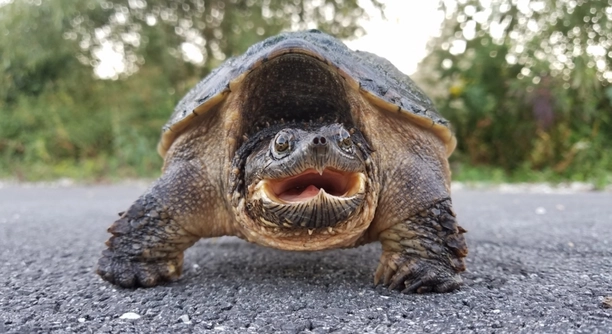
Taking care of a common snapping turtle can be a rewarding experience. But how can you tell if your turtle is happy in its tank? Understanding their needs and behaviors will help you create a suitable environment for them.
A happy common snapping turtle will exhibit active behavior, including swimming, basking, and exploring its tank. It will also eat regularly, and its shell will be clean and smooth, without any signs of distress or abnormal growth.
Knowing what makes your snapping turtle content will help ensure it stays healthy and comfortable. Learning about their needs will also improve the overall care routine for your pet.
Behavior: What Happy Snapping Turtles Look Like
A happy common snapping turtle will show active and natural behavior. It will swim around its tank, explore different areas, and bask under the light when it needs to warm up. These behaviors are key signs of a healthy, content turtle. If your turtle is hiding or staying in one spot for too long, it could be a sign that something isn’t quite right. A healthy turtle also eats regularly and enjoys its meals, whether it’s pellets, fish, or other types of food. Their curiosity will often lead them to interact with the tank environment.
A turtle that moves freely and shows interest in its surroundings is usually in a good state.
Healthy behavior includes swimming and basking regularly. They will also show excitement when food is near, which indicates good health. If your turtle is not active, check its environment or diet for issues.
A common snapping turtle’s happiness is tied to its behavior and activity level. It thrives in a well-kept tank with proper water conditions and enough space to explore. You’ll also notice it enjoys basking under a heat source, maintaining its body temperature. When feeding, it should show eagerness, and its shell should appear healthy. If the turtle isn’t eating, it may indicate stress or health concerns, and you may need to adjust its environment. Monitoring its daily habits will give you a good idea of its emotional and physical well-being.
Tank Conditions: How Your Setup Impacts Happiness
Proper tank conditions are crucial for your snapping turtle’s happiness. The tank should have clean, filtered water and a proper temperature range. Too cold or too warm water can make your turtle sluggish and stressed.
Turtles need both a basking area and a swimming area in their tank. This gives them a place to regulate their temperature.
A well-maintained tank will keep your turtle active and comfortable. The water should be kept clean, and regular changes will prevent harmful bacteria from growing. The basking area should be elevated to allow your turtle to get out of the water fully. It’s essential to provide enough space for your turtle to move around, as this will help reduce stress. A too-small tank can make a turtle feel trapped. Providing the right environment allows your snapping turtle to engage in natural behaviors, like swimming, basking, and exploring. Over time, your turtle will adjust to the setup, and its happiness will be reflected in its behavior. Regularly checking the water temperature and maintaining cleanliness will go a long way in keeping your turtle satisfied.
Diet: What Your Snapping Turtle Needs to Stay Happy
A well-balanced diet is key to a happy snapping turtle. They enjoy a mix of protein, vegetables, and sometimes fruits. Make sure to provide variety to keep them interested and healthy. Overfeeding or feeding the wrong types of food can cause health issues.
Turtles that are properly fed will be more active and eager for food. If your turtle is not eating as much as usual, it could be a sign that the food is not appealing or that something is wrong with its health. Always offer food that suits their age and size. Young turtles will eat more protein, while adults prefer more vegetables and occasional meat. Stick to a feeding schedule to maintain balance and avoid overfeeding. You may notice your turtle swimming towards its food when it’s hungry, which is a good sign.
Offering a mix of protein and veggies, like leafy greens, will help keep your turtle happy. If you feed it fish, make sure it’s properly sourced and safe for turtles. Also, ensure the food pieces are small enough for your turtle to handle.
Water Quality: How It Affects Happiness
Good water quality is crucial for your turtle’s well-being. Filtration is necessary to keep the water clean, as turtles produce a lot of waste. Regular water changes are also important to prevent harmful bacteria from building up.
Turtles spend a lot of time in the water, so clean water helps prevent shell rot and other infections. Keep an eye on the water’s temperature and pH levels, as fluctuations can stress out your turtle. A consistent, comfortable environment will make your turtle feel secure and relaxed. Dirty water, on the other hand, can lead to poor health and make your turtle more inactive. Regularly clean your turtle’s tank and check the filter to make sure everything is functioning properly.
A tank filter will help keep the water clean, and regular testing will ensure it remains in the right range. Keep an eye on the temperature, too—snapping turtles need warm water to feel at ease.
Tank Size: Space for Comfort
A larger tank gives your snapping turtle the space it needs to move around and explore. Crowded tanks can cause stress, leading to unhealthy behaviors. It’s essential to give your turtle enough room to swim and bask.
If your turtle seems lethargic or agitated, it might be due to a cramped tank. The minimum recommended size for a snapping turtle is 75 gallons, but bigger is always better. Turtles need space to swim freely, and a spacious tank helps them maintain a more active lifestyle. Ensure your tank also has a basking area for them to climb onto.
Temperature: Keeping Things Just Right
The water temperature should stay between 75-80°F (24-27°C) for common snapping turtles. A heater can help maintain consistency, while a thermometer will let you monitor it easily. Turtles rely on their environment to regulate body temperature.
If the water is too cold, your turtle will be sluggish and may not eat properly. If it’s too hot, your turtle might get stressed or overheat. Keeping the water within the ideal range allows your snapping turtle to stay active and comfortable, encouraging healthy behaviors like swimming and basking.
Shell Health: How to Keep It in Top Shape
Your snapping turtle’s shell is a good indicator of its overall health. A healthy shell will be smooth, with no cracks or soft spots. Regularly check for any signs of injury or illness.
A well-maintained environment, proper diet, and good water quality all play a part in shell health. If the shell is rough, pitted, or soft, it might be a sign of poor nutrition, improper tank conditions, or an infection. Addressing these issues quickly can prevent serious health problems.
FAQ
How can I tell if my snapping turtle is sick?
If your snapping turtle isn’t eating, seems lethargic, or has trouble swimming, it could be a sign of illness. Other symptoms include shell softening, discolored spots, or abnormal growth. If these signs appear, check water quality, diet, and temperature. If things don’t improve, consult a vet experienced with reptiles.
What is the best water temperature for a snapping turtle?
The ideal water temperature for a common snapping turtle is between 75°F and 80°F (24°C and 27°C). Keeping the water in this range helps the turtle stay active and healthy. Too cold or too warm water can stress your turtle, affecting its eating habits and behavior. Use a heater and thermometer to maintain this consistency.
How often should I feed my snapping turtle?
Feed your snapping turtle every two to three days. Overfeeding can lead to obesity and poor water quality. Younger turtles need more protein, while adults prefer vegetables. Offering variety in their diet—like fish, insects, and leafy greens—helps maintain a balanced and healthy nutrition plan.
Can I keep more than one snapping turtle in the same tank?
It’s not recommended to keep multiple snapping turtles in a small tank, as they can be territorial. If you want to house more than one, ensure the tank is large enough and offer plenty of hiding spots to reduce aggression. Watch for signs of stress or fighting, and separate them if necessary.
What should I do if my turtle isn’t eating?
If your snapping turtle refuses to eat, check its environment. Is the water too cold? Are there too many stress factors, like changes in its surroundings? Make sure its tank is clean, the water is the right temperature, and the food is appealing. Sometimes, offering different types of food can spark their interest.
How can I keep my snapping turtle’s shell healthy?
A healthy shell requires a proper diet, clean water, and enough basking time. Make sure your turtle has a UVB light source to help it produce vitamin D3, which supports shell health. Also, check the water temperature regularly, and avoid overcrowding the tank.
How do I know if the water quality is good for my snapping turtle?
You can check water quality by monitoring the pH, ammonia, nitrite, and nitrate levels. Clean water is essential to prevent diseases like shell rot. Test the water frequently and use a good filtration system to keep the tank clean. A simple water test kit can help you track these levels.
Is it safe to feed my turtle live fish?
Live fish can be a good source of protein, but you must ensure they are safe. Avoid feeding your turtle wild-caught fish that may carry parasites or diseases. You can buy feeder fish from pet stores, but be cautious of overfeeding them, as they can become a breeding ground for bacteria if left uneaten.
What type of basking area does my snapping turtle need?
Your snapping turtle needs a dry basking area where it can climb out of the water completely. This area should be heated to about 90°F (32°C) to help your turtle regulate its body temperature. Provide a flat, stable surface for your turtle to rest on, and make sure it’s easy for them to climb onto.
How do I clean my snapping turtle’s tank?
To clean the tank, start by removing your turtle and emptying the water. Scrub the tank walls, remove any debris, and clean the filter. Replace 25-50% of the water to maintain good water quality. Always use a water conditioner to neutralize harmful chemicals, and check the temperature before putting your turtle back in.
Can snapping turtles live in ponds outside?
Yes, snapping turtles can live in outdoor ponds, as long as the water is clean, deep enough, and free of predators. Provide an area where they can bask, and make sure the pond doesn’t freeze in winter. A pond with a secure enclosure can help prevent your turtle from wandering off.
How can I make my snapping turtle’s tank more comfortable?
Make your turtle’s tank more comfortable by adding rocks, logs, or plants that allow it to explore and hide. These features not only make the tank feel more natural but also reduce stress. Make sure to have both a basking spot and enough room for swimming. Clean the tank regularly to maintain a safe environment.
Can snapping turtles get lonely?
Snapping turtles are solitary creatures, so they don’t usually get lonely. They prefer to be alone in their environment. Avoid housing multiple snapping turtles together, as they can become aggressive and territorial. Instead, focus on creating an enriching environment with plenty of space and hiding places for your turtle.
How long do snapping turtles live?
Snapping turtles can live for decades, with some reaching over 30 years in captivity. Proper care, including a balanced diet, clean water, and a comfortable environment, will help them live a long, healthy life. Be patient, as these turtles grow slowly, but with the right care, they can thrive for many years.
Final Thoughts
Caring for a common snapping turtle can be a rewarding experience, but it requires attention to their specific needs. From their diet to their tank conditions, ensuring that they are healthy and happy in their environment is essential. A snapping turtle’s well-being is directly linked to the care it receives. Monitoring water quality, maintaining the right temperature, and offering a proper diet are crucial for keeping your turtle active and comfortable. Additionally, providing enough space to swim and bask will help prevent stress and encourage natural behaviors.
It’s also important to regularly observe your turtle for any signs of illness or discomfort. While snapping turtles can be tough, they are still susceptible to issues like shell rot, improper diet, and water quality problems. Keeping an eye on their shell health, monitoring how they behave, and ensuring they have the right environment to thrive are key factors in their overall happiness. If your turtle ever seems off, don’t hesitate to check its tank setup or consult a vet who specializes in reptiles. Catching problems early can prevent more serious health concerns down the road.
In the end, understanding what makes your snapping turtle happy is all about creating a stable, clean, and enriching environment. By providing the right care and responding to any signs of distress, you can ensure that your turtle remains content and healthy for years to come. With a little effort and attention, you can build a positive and long-lasting relationship with your turtle, ensuring it lives a long and comfortable life. Whether it’s through proper tank maintenance, feeding a balanced diet, or simply offering a comfortable space to explore, the small details can make a big difference in your snapping turtle’s well-being.

Hello,
If you enjoy the content that we create, please consider saying a "Thank You!" by leaving a tip.
Every little bit helps us continue crafting quality advice that supports the health, happiness, and well-being of pets around the world, for pets of all shapes, sizes, and species.
We really appreciate the kindness and support that you show us!