
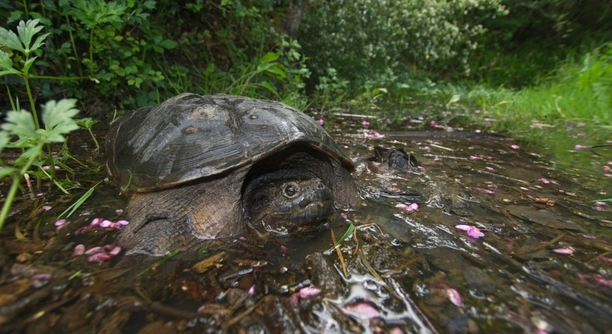
Snapping turtles are fascinating creatures, but sometimes they can become picky eaters. If you’ve noticed a change in their appetite, understanding how to encourage them to eat is key. This article will help you improve their feeding habits.
To improve a snapping turtle’s appetite, you need to ensure they have a varied, nutrient-rich diet. Offering fresh food like fish, insects, and even certain vegetables can help stimulate their hunger and keep them healthy.
Learn how simple adjustments to their environment and diet can make a big difference in their feeding behavior.
Offer a Balanced and Varied Diet
A balanced diet is essential for a snapping turtle’s health, and it can help boost their appetite. A variety of foods is crucial to keep them engaged and eating. Snapping turtles are omnivores, which means they can enjoy a mix of animal and plant-based food. Providing them with fish, insects, worms, and a few vegetables like leafy greens can make meals more exciting. Freshness also matters—turtles are more likely to eat food that smells natural and fresh. Offering food that mimics what they would encounter in the wild, like small fish or snails, can further encourage them to eat. A consistent feeding routine also helps, as it makes the turtle feel comfortable and ready to eat when it’s time.
Feeding them regularly and with variety makes their meals more interesting and enjoyable. Keep changing their food every so often to avoid them getting bored with the same options.
Sometimes, a lack of interest in food can be tied to the temperature of the water. Snapping turtles are cold-blooded and rely on water temperature to regulate their metabolism. If the water is too cold, they may not feel like eating as much. Make sure the water is warm enough to keep their digestion going smoothly. During the winter months, when turtles may go into a semi-hibernation, their appetite will naturally decrease, but when the weather warms up, so should their hunger. This is an easy fix that can encourage them to eat more regularly.
Provide the Right Habitat
The environment where your snapping turtle lives is just as important as their food. Clean, spacious enclosures with plenty of places to hide can help them feel safe and comfortable.
Snapping turtles thrive in environments that mimic their natural habitat. A large tank with access to both water and land is ideal for them. The water should be clean and warm, and they should have a basking area where they can dry off and warm up. If the water quality is poor, it can stress your turtle out and make them less likely to eat. Regular water changes and a good filtration system can solve this issue. The right habitat gives your turtle the space to move, explore, and feel secure, which all encourages healthy eating habits.
Ensure Proper Feeding Timing
Feeding your snapping turtle at the right times can help them develop a regular eating schedule. It’s best to feed them once or twice a day, ideally in the morning or evening. Turtles are creatures of habit and thrive when they have a consistent routine. Overfeeding or feeding at irregular times may cause stress, making it harder for them to establish a healthy appetite. Giving them time to eat without interruptions can also ensure they consume their meals properly.
Sticking to a set feeding time helps your turtle understand when to expect food, which may make them more eager to eat. Avoid overfeeding as it can make them sluggish and less interested in food over time. This approach allows you to monitor their eating habits more easily, making it clear when they may be losing interest in food.
Don’t feed your snapping turtle immediately after cleaning their tank. Cleaning can sometimes stress them out, and they may not be in the mood to eat right away. Wait a little while after cleaning before offering food to avoid any frustration.
Offer a Range of Live Foods
Live food can spark interest in your snapping turtle’s diet, providing mental and physical stimulation. Snapping turtles naturally hunt for live prey in the wild, so giving them live food can bring out their natural instincts. Live fish, earthworms, or insects like crickets are great options. These foods can be exciting for your turtle and encourage them to be more active during feeding time. The movement of live prey will often attract their attention and make mealtime feel more like a hunt, which is stimulating for them.
Live foods also offer the added benefit of being more nutritious for your turtle. They can provide a wide range of vitamins and minerals that support their overall health. Not only does offering live food enhance their appetite, but it can also improve their energy levels, promoting healthier activity. Be sure to offer live foods in a safe and controlled manner, so they don’t overwhelm your turtle or damage their habitat.
Remember to vary the live prey you offer. Snapping turtles can get bored with the same options over time, and changing things up will keep their interest high. This also mimics the diversity of their natural diet.
Avoid Overfeeding
Overfeeding can lead to a lack of appetite in snapping turtles. While it may seem like a good idea to offer more food, this can actually make them less interested in eating the next time. A regular, balanced amount of food is best for maintaining their appetite.
Try sticking to the recommended portion sizes based on their age and size. A healthy snapping turtle should be fed enough to stay active but not too much to become lethargic. Overfeeding can also affect their digestive system, leading to health issues that could further decrease their interest in food.
Monitor Water Temperature
Water temperature plays a big role in your turtle’s appetite. Cold water slows down their metabolism, which can cause them to eat less. Make sure the water temperature stays within the ideal range for snapping turtles, which is typically between 75°F and 80°F. This encourages normal digestion.
Maintaining a consistent temperature ensures your turtle stays active and has a healthy appetite. If the water is too cold, they may not want to eat at all. Use a reliable thermometer to monitor the temperature and avoid sudden changes, which can also stress your turtle.
Minimize Stress
Stress can significantly impact a snapping turtle’s appetite. If your turtle feels threatened or uncomfortable, it may refuse food. Stressful factors can include loud noises, constant movement, or overcrowding in their enclosure. Keeping their environment peaceful and calm can help reduce these stresses.
Make sure to give your turtle plenty of space and a calm environment to thrive.
FAQ
How often should I feed my snapping turtle?
It’s best to feed your snapping turtle once or twice a day, depending on its age and size. Younger turtles may require more frequent feeding, while adults can generally be fed once a day. Consistency is key, so try to feed your turtle around the same time every day to help them develop a routine. Monitor their eating habits to ensure they’re consuming enough food, and adjust their feeding schedule if necessary. It’s also important to avoid overfeeding, as this can lead to health issues and make your turtle less interested in eating.
Can I feed my snapping turtle fruits and vegetables?
Yes, snapping turtles can eat certain fruits and vegetables. However, their diet should mainly consist of animal-based foods like fish, insects, and worms, as they are natural predators. Fruits and vegetables should only make up a small part of their diet. Leafy greens like kale, collard greens, and dandelion greens are great options. You can also offer small pieces of fruits like strawberries, watermelon, or apples. Just be sure to avoid giving them too much fruit as it can lead to digestive issues and an imbalance in their diet.
Is it okay to feed my turtle frozen food?
Feeding your snapping turtle frozen food is acceptable, but it should be offered in moderation. Frozen fish, shrimp, or worms are easy to store and can be convenient for feeding. However, ensure that the frozen food is thawed properly before offering it to your turtle. Freezing food can cause some loss of nutrients, so try to offer fresh food as often as possible to ensure your turtle is getting all the necessary vitamins and minerals. If you use frozen food, make sure it doesn’t make up the majority of their diet.
How can I tell if my snapping turtle is not eating enough?
If your snapping turtle is not eating enough, you may notice a few signs. They might become lethargic, spend more time hiding, or lose weight. If they stop eating for more than a few days, it could be a sign of an underlying health issue, such as stress, improper water temperature, or an unbalanced diet. If you’re concerned about their eating habits, consult a veterinarian who specializes in reptiles. Regularly checking their weight and monitoring their activity levels can help you keep track of their health.
What is the best water temperature for my snapping turtle?
The ideal water temperature for a snapping turtle is between 75°F and 80°F (24°C to 27°C). Water that is too cold can slow down their metabolism and make them less likely to eat. If the water is too warm, it can cause stress or discomfort. Use a reliable aquarium heater to maintain the correct temperature, and always check the temperature with a thermometer to ensure consistency. During the winter, you might notice your turtle’s appetite decreases, but as the weather warms up, their appetite should increase again.
Can I feed my snapping turtle live food?
Yes, live food is an excellent option to stimulate your snapping turtle’s appetite. Live prey mimics their natural hunting behavior and can make mealtime more engaging. Offer live fish, worms, crickets, or other insects. These foods are rich in nutrients and offer variety to your turtle’s diet. However, be cautious when offering live food—make sure it’s safe and doesn’t introduce parasites into your turtle’s environment. Always supervise feeding time, as live prey can sometimes escape or cause stress.
How can I improve my snapping turtle’s environment to encourage eating?
To encourage your snapping turtle to eat, provide them with a clean and spacious environment. Make sure their tank is large enough for them to move around comfortably, with both water and land areas. Proper filtration and regular water changes are essential to maintain water quality. A basking area with a heat lamp will also help regulate their body temperature. Keep their enclosure quiet and peaceful to minimize stress. If your turtle feels safe and comfortable, they’ll be more likely to eat.
What should I do if my snapping turtle isn’t eating?
If your snapping turtle isn’t eating, check a few key factors. First, assess the water temperature—cold water can make them less likely to eat. Make sure you’re offering a variety of food options and that the food is fresh. If the water quality is poor, clean the tank and change the water regularly. Stress can also cause a lack of appetite, so ensure their environment is calm and secure. If they still refuse food for an extended period, consult a veterinarian for further evaluation.
How can I tell if my snapping turtle is healthy?
A healthy snapping turtle should be active, alert, and responsive. Their shell should be free of cracks, cuts, or lesions. Their skin should appear smooth and without discoloration. Healthy turtles also have clear, bright eyes. If your turtle seems lethargic, has a soft shell, or shows signs of swelling or infection, it could be a sign of illness. Regularly monitor their appetite and behavior. If anything seems off, it’s best to consult a reptile vet for a checkup. Proper diet, clean water, and a safe environment are essential for maintaining their health.
Should I feed my snapping turtle outside their tank?
Feeding your snapping turtle outside their tank can be a good idea if you want to prevent any mess or water contamination. It also allows you to monitor how much they are eating. Just make sure the area is safe and free of predators. Use a shallow container or a small dish to serve their food, and keep an eye on them to ensure they are eating properly. If you choose to feed them outside their tank, be sure to return them to their enclosure afterward, where they have access to both water and land areas.
Final Thoughts
Taking care of a snapping turtle’s appetite involves more than just offering food. It requires a thoughtful approach to their diet, habitat, and routine. A varied diet with a balance of animal-based and plant-based foods will keep your turtle healthy and engaged. Offering fresh, live food can stimulate their hunting instincts, encouraging them to eat more actively. Additionally, making sure the food is the right size and texture for your turtle can help prevent issues with feeding. It’s important to understand that turtles, like any pet, have unique needs. What works for one turtle may not work for another, so it’s key to observe their behavior and adjust accordingly.
Environmental factors also play a major role in a turtle’s eating habits. The water temperature should be kept within a comfortable range of 75°F to 80°F to promote healthy digestion. If the water is too cold, your turtle may lose interest in food, as their metabolism slows down. Keeping the tank clean and ensuring proper filtration can also make a big difference in how well your turtle eats. A well-maintained habitat can reduce stress and provide a comfortable space where your turtle feels secure enough to eat. Creating an environment that mimics their natural habitat, with both land and water areas, can help keep them calm and encourage better feeding behavior.
In some cases, lack of appetite can signal an underlying health issue. If you notice a prolonged loss of appetite or other signs of illness, such as lethargy or weight loss, it’s important to seek advice from a reptile veterinarian. Regularly monitoring your turtle’s behavior and eating patterns is essential for spotting potential problems early. By paying attention to their needs and creating a comfortable, stimulating environment, you can ensure your snapping turtle remains healthy and well-fed. A little effort in understanding their habits and providing the right conditions can go a long way in promoting a healthy appetite and overall well-being for your turtle.

Hello,
If you enjoy the content that we create, please consider saying a "Thank You!" by leaving a tip.
Every little bit helps us continue crafting quality advice that supports the health, happiness, and well-being of pets around the world, for pets of all shapes, sizes, and species.
We really appreciate the kindness and support that you show us!