
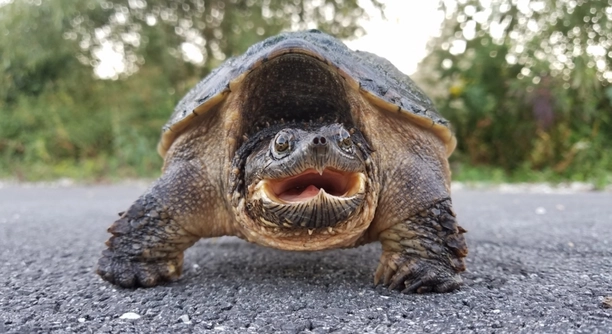
If you have a common snapping turtle as a pet, you might notice that it can be a bit lazy at times. It can be challenging to encourage more movement and activity from these creatures.
To make your common snapping turtle more active, try increasing its habitat’s space and providing more enrichment. Offering various hiding spots, ramps, and areas to explore can encourage physical activity. Additionally, offering a varied diet can stimulate hunting behaviors.
Small adjustments to your turtle’s environment can encourage more movement and ensure it remains healthy and engaged. Understanding these factors can lead to a more active and happier snapping turtle.
Creating a Spacious Environment
Providing more space for your snapping turtle to roam is essential for encouraging activity. A larger tank with plenty of room to move around can motivate your turtle to explore. Snapping turtles are naturally curious, and a spacious environment helps them feel more comfortable and willing to move.
While space is crucial, it’s equally important to create an environment that mimics their natural habitat. Incorporating rocks, branches, or aquatic plants for your turtle to explore can inspire movement. Snapping turtles enjoy swimming and diving, so having areas in the water where they can dive into deeper zones will engage them. Also, consider adding ramps or ledges for climbing. These will challenge them physically and encourage a higher level of activity.
Be sure to keep the habitat clean and maintain the right water quality, as poor conditions can discourage your turtle from being active. A clean environment is not only healthier for your turtle but also keeps it comfortable, promoting more movement. Ensuring the space is spacious and well-designed will help foster a more active lifestyle.
Temperature and Lighting
The temperature and lighting in your turtle’s habitat can play a significant role in its activity levels. Adjusting these elements to suit your turtle’s needs can increase its energy and encourage more movement.
A proper heat source will mimic natural warmth, which is necessary for your turtle’s metabolism and overall well-being. Snapping turtles prefer a basking area with temperatures between 85°F to 90°F. Additionally, UVB lighting is essential for their health, as it helps them synthesize vitamin D3, which is crucial for shell and bone health. Without it, your turtle may become sluggish and less active.
Maintaining proper temperature and lighting will help regulate your turtle’s natural activity patterns. With the right environment, your snapping turtle will feel more comfortable and eager to explore.
Varied Diet
A varied diet can spark your snapping turtle’s interest and encourage more movement. Offering different types of food ensures they stay active, both physically and mentally. Foods like fish, worms, and leafy greens can be part of their diet, creating natural hunting opportunities.
Snapping turtles are omnivores, meaning they enjoy a combination of meat and plants. Including both in their diet can help keep them engaged. Live food, such as feeder fish or insects, can trigger their natural hunting instincts and lead to increased activity. Offering food on different areas of their habitat will also encourage exploration.
Avoid offering the same food every day, as this can lead to boredom. Mix things up by providing a variety of textures and flavors, and make sure to feed them in different parts of their environment. This not only encourages activity but also contributes to their overall health.
Regular Exercise
Exercise is essential for your snapping turtle’s well-being, just like it is for humans. Regular movement helps them maintain a healthy weight and improves their overall fitness. Encourage exercise by providing spaces that challenge them to move.
For example, adding ramps, platforms, and obstacles to their habitat gives them an opportunity to climb and swim. The more opportunities for movement you create, the more your turtle will engage. Snapping turtles are naturally active, so providing them with a chance to swim or climb will keep them physically stimulated.
Additionally, regularly moving your turtle between different environments, such as moving them from water to a dry basking spot, can encourage them to stretch their limbs and move around. Keeping your turtle engaged in activities ensures they stay healthy and active in the long run.
Create Hiding Spots
Adding hiding spots in your turtle’s habitat encourages exploration and activity. Snapping turtles feel more secure when they can retreat to a private space, which can motivate them to roam more when they feel safe. Use rocks or aquatic plants to create these spots.
Hiding spots should be strategically placed in various locations around the habitat. They can be built using submerged logs, rocks, or other aquarium decorations. This setup mimics their natural environment and promotes curiosity. A turtle’s instincts will encourage it to explore its habitat, increasing physical activity. This is an easy way to enrich their space.
Water Depth
Water depth plays a key role in your turtle’s activity. Snapping turtles are swimmers by nature, and adjusting the water level to provide different depths encourages them to explore. Deeper water allows for more swimming, which promotes physical activity.
The depth of the water should vary, with areas where the turtle can swim, dive, and climb. Be mindful to maintain an area where your turtle can bask as well. Having different depths keeps your snapping turtle engaged in more activities. Adjusting the water level can be a simple yet effective way to enhance its environment.
Social Interaction
Snapping turtles can also be more active when they have social interactions. While they are mostly solitary animals, some turtles may respond positively to the presence of others. Observing their reactions can help you determine if socializing increases their activity levels.
If you notice your turtle being more active when in proximity to other animals, such as a tank mate, it might encourage movement. However, be cautious of potential aggression. Not all turtles enjoy the presence of others, so monitor their behavior closely to ensure they remain healthy and stress-free.
FAQ
How can I tell if my snapping turtle is active enough?
If your snapping turtle is swimming, exploring its habitat, and showing interest in food, it’s likely active enough. An active turtle will move around its space frequently, diving, basking, and climbing when possible. If your turtle is consistently staying in one spot or showing little interest in food, it might be a sign it’s not active enough.
What do I do if my snapping turtle is not moving much?
If your turtle seems inactive, check the habitat for potential stressors such as poor water quality, improper temperatures, or lack of hiding spots. Ensuring the environment is clean, well-lit, and comfortable is key. Consider adding more opportunities for exploration, like ramps or plants, to encourage movement.
How much should I feed my snapping turtle to keep it active?
A balanced diet helps maintain an active turtle. Feed it a mix of vegetables, meat, and live food such as worms or feeder fish. Aim to feed your turtle 2-3 times a week, offering appropriate portions to prevent overfeeding. Too much food can lead to inactivity, while too little can result in malnutrition.
Can I add other animals to my snapping turtle’s habitat to make it more active?
Adding tank mates can sometimes encourage activity, as turtles may respond to the presence of other animals. However, be cautious of aggression. Not all snapping turtles are social, and they may become stressed or territorial. If you do add other creatures, make sure they are compatible and safe.
How can I get my snapping turtle to swim more?
To encourage swimming, ensure your turtle has enough space in its water area and adjust the water depth so it can dive and swim easily. Snapping turtles enjoy deeper water, so maintaining a depth of at least 12 inches allows for better swimming opportunities. Also, adding ramps or platforms for climbing can make the swimming experience more engaging.
Why is my snapping turtle not eating, and how can I fix it?
Loss of appetite could be a sign of stress, illness, or an improper environment. Check the water temperature, cleanliness, and lighting to ensure they are within the appropriate range. If the conditions are optimal and your turtle still isn’t eating, consider offering different types of food to see if it prefers something else.
Is it normal for my snapping turtle to hide a lot?
It’s normal for snapping turtles to hide occasionally, especially if they feel stressed or are trying to sleep. However, excessive hiding might indicate that something is wrong, such as poor water conditions or not enough space. Provide multiple hiding spots around the habitat, but also ensure your turtle has enough room to explore and be active.
How often should I change my snapping turtle’s water?
Water changes should be done regularly to maintain a clean environment for your turtle. Aim to change about 25-50% of the water every week, depending on the tank size and the number of turtles. Regular water changes prevent the buildup of harmful toxins that can discourage activity and lead to health problems.
Can I take my snapping turtle out of the tank for exercise?
Yes, you can take your snapping turtle out for short periods of exercise, but always ensure it is in a safe, controlled environment. Use a shallow water area or an enclosed space where it can move around without risk. Never leave your turtle unsupervised outside its tank to prevent injury.
Do snapping turtles need UVB light to stay active?
Yes, UVB light is essential for snapping turtles, as it helps them produce vitamin D3, which is crucial for healthy bones and shells. Without UVB light, your turtle may become sluggish, and its health could suffer. Ensure the tank has proper lighting, and provide a basking spot for your turtle to absorb the UVB rays.
What temperature should I keep my snapping turtle’s habitat at for optimal activity?
Snapping turtles require a warm environment to stay active. The water temperature should be kept between 75°F and 80°F, and the basking area should be between 85°F and 90°F. Maintaining these temperatures will ensure your turtle stays comfortable and active. Too cold, and they may become sluggish; too hot, and they may become stressed.
Can snapping turtles get bored, and what can I do about it?
Yes, snapping turtles can get bored, especially if their habitat lacks variety or stimulation. To prevent boredom, add different textures, climbing areas, and hiding spots. You can also introduce new foods to engage their senses or move them to a different tank layout to spark their curiosity.
How do I know if my snapping turtle is stressed?
Signs of stress in snapping turtles include hiding more than usual, refusing to eat, swimming erratically, or becoming aggressive. Stress can result from improper water conditions, incorrect temperatures, overcrowding, or a lack of stimulation. If you notice these signs, check the environment and make adjustments as needed.
What are some signs that my snapping turtle is healthy and active?
A healthy and active snapping turtle will be alert, swimming regularly, and eating well. Its shell should be hard, smooth, and free from any visible damage. If it regularly dives, basks, and explores its habitat, it’s likely in good health and staying active.
Final Thoughts
Keeping your snapping turtle active is important for its overall well-being. A more active turtle is not only healthier but also happier in its environment. There are many simple ways to encourage movement and exploration. By making slight adjustments to the habitat, such as adding more hiding spots, creating deeper water areas, or offering different types of food, you can easily improve your turtle’s activity levels. These changes can help your turtle feel more comfortable and secure, making it more likely to roam and engage with its surroundings. It’s essential to keep monitoring their behavior and make adjustments as necessary, ensuring they have everything they need to stay active and content.
Remember that each snapping turtle is unique, and some may have different activity levels or preferences. While some turtles may thrive with more interaction, others may prefer solitude. It’s important to observe your turtle’s behavior to understand its needs and tailor its environment accordingly. If your turtle seems overly passive, it might be helpful to try a variety of strategies to see what works best for encouraging activity. Don’t forget that health and activity are often closely linked, so maintaining a proper diet, water quality, and temperature can have a direct impact on how active your turtle is.
Lastly, be patient with your snapping turtle. It might take time for changes in the environment to have an effect, and not every turtle will respond the same way to each strategy. Consistency is key, and by providing a balanced environment, your snapping turtle will have the best chance of leading an active, healthy life. Keep in mind that turtles are naturally slower-moving creatures, and some quiet time is just as important as active time. Focus on creating a comfortable, engaging space where your turtle can feel safe, explore, and thrive.

Hello,
If you enjoy the content that we create, please consider saying a "Thank You!" by leaving a tip.
Every little bit helps us continue crafting quality advice that supports the health, happiness, and well-being of pets around the world, for pets of all shapes, sizes, and species.
We really appreciate the kindness and support that you show us!