
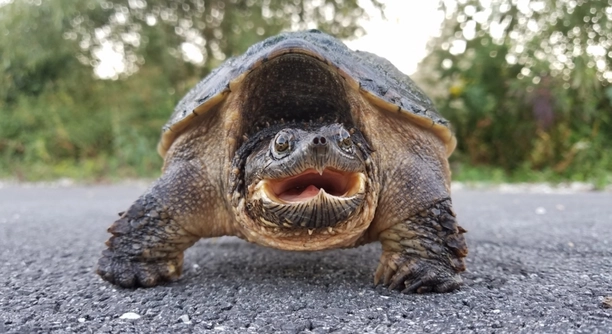
If you’ve noticed your common snapping turtle’s shell turning black, it might be a sign of something more than just a simple color change. Understanding the reasons behind this change is essential for ensuring your turtle’s health and well-being.
The most common causes of a snapping turtle’s shell turning black include fungal infections, poor water quality, and injuries. These factors can lead to shell discoloration and should be addressed promptly to prevent further complications.
Understanding these causes can help you provide proper care and maintain your turtle’s overall health.
Fungal Infections and Their Impact on Shell Health
Fungal infections are one of the leading causes of blackening on a turtle’s shell. These infections typically occur in moist environments, especially when the turtle’s shell is exposed to excess humidity or unsanitary conditions. The fungus can attack the shell, leading to discoloration. If left untreated, the infection can cause the shell to deteriorate over time.
Regular cleaning and ensuring proper environmental conditions can help prevent fungal growth. If a fungal infection is suspected, consult a vet to get the right treatment.
Proper tank maintenance, such as cleaning the water and providing a dry basking spot, can significantly reduce the chances of infection. Keeping your turtle in a clean, dry space with appropriate humidity levels is crucial for its shell’s health. Regularly monitor for any changes in the shell’s appearance to catch early signs of infection and take action before the issue worsens.
Poor Water Quality and Blackened Shells
Water quality is another important factor in shell health. Low-quality water can irritate the turtle’s skin and shell, leading to discoloration. Turtles need clean, filtered water to thrive.
Contaminants in dirty water, including bacteria and algae, can harm the shell. These conditions create an environment where fungal infections are more likely to develop. To avoid these issues, make sure your turtle’s tank is cleaned regularly, and the water is filtered. This helps maintain a healthy environment.
Injuries and Shell Damage
Injuries to your snapping turtle’s shell can cause discoloration. A scratch, crack, or blow can allow bacteria and fungi to enter, resulting in infection and blackening. It’s important to inspect the turtle regularly for any physical damage to its shell.
If you notice any visible injury, it’s essential to address it quickly. Rinse the affected area gently with clean water, and keep the turtle in a clean, dry environment. In some cases, a veterinarian may need to examine the shell to ensure proper healing. Keeping the turtle’s shell clean and preventing further trauma is crucial for its recovery.
A well-maintained habitat and routine check-ups can also help catch injuries early. If an injury goes untreated, it may lead to further complications, including a permanent change in shell color. Monitoring the turtle closely ensures that any signs of injury are detected before they become more severe.
Temperature and Environmental Stress
Temperature fluctuations can also impact the health of your turtle’s shell. Extreme heat or cold can stress the turtle, potentially causing changes in its appearance, including black spots on the shell.
Maintaining a consistent, appropriate temperature range for your turtle is essential for its well-being. The tank should provide both a basking area with higher heat and a cooler aquatic zone to allow the turtle to regulate its body temperature. This balance helps reduce the stress that could affect the shell. Additionally, sudden environmental changes should be avoided to prevent discomfort or potential health issues.
A stable environment not only supports the turtle’s shell health but also its overall immune system, helping it resist infections or other conditions. Monitoring the temperature and adjusting as needed can ensure the turtle remains comfortable and healthy, reducing the risk of shell discoloration.
Nutritional Deficiencies and Shell Discoloration
Poor diet can contribute to shell discoloration in turtles. A lack of essential nutrients, like calcium and vitamins, can affect the shell’s development, causing it to turn black or develop other irregularities. Proper nutrition is key to maintaining a healthy, vibrant shell.
Turtles need a balanced diet that includes vegetables, protein, and calcium-rich foods. Without proper nutrition, the shell may not grow properly and could show signs of damage, including discoloration. If you suspect a dietary issue, try adjusting their food to ensure they receive a variety of nutrients that support shell health.
Overcrowding and Stress
Overcrowding in a turtle’s environment can lead to stress, which may contribute to shell issues. Too many turtles in a small space can increase the chances of water contamination and create unhealthy living conditions.
Reducing the number of turtles in the tank and providing adequate space for each one can reduce stress and improve overall health. A spacious tank allows for cleaner water and a more comfortable environment, both of which are vital for shell health.
FAQ
What causes a snapping turtle’s shell to turn black?
A snapping turtle’s shell may turn black due to several factors. Fungal infections, poor water quality, injuries, temperature stress, and nutritional deficiencies can all contribute to discoloration. Each of these issues affects the turtle’s shell differently, but all require immediate attention to prevent further damage. Keeping the turtle in a clean environment, maintaining proper nutrition, and monitoring for injuries can reduce the risk of shell discoloration.
Can poor water quality make my turtle’s shell black?
Yes, poor water quality can lead to shell discoloration. Dirty water filled with contaminants, such as bacteria and algae, can cause infections or irritate the turtle’s shell. These conditions can result in the shell turning black. Regular cleaning of the turtle’s tank and providing a proper filtration system helps maintain good water quality, which is essential for shell health.
How do I know if my turtle has a fungal infection?
Signs of a fungal infection include a change in the shell’s color, often turning darker or black. The shell may also have soft spots, unusual growths, or a slimy texture. If you notice any of these symptoms, it is crucial to take the turtle to a vet for treatment. Fungus can spread quickly and cause further damage if not treated promptly.
What should I do if my turtle’s shell is injured?
If your turtle’s shell is injured, clean the affected area with fresh water and carefully examine the injury. For minor scratches, keep the turtle in a clean, dry environment to avoid infection. For more serious injuries, such as cracks or punctures, take the turtle to a vet. Timely treatment can prevent infections that may lead to blackening of the shell.
How can I prevent my turtle’s shell from turning black?
Preventing blackening of the shell involves regular maintenance of the turtle’s habitat. Keep the tank clean, filter the water regularly, and ensure the temperature remains stable. A well-balanced diet rich in calcium and vitamins is essential for shell health. Additionally, regularly inspect your turtle for injuries and address any health concerns immediately to avoid shell discoloration.
What can I feed my turtle to improve its shell health?
To promote shell health, feed your turtle a balanced diet that includes high-quality commercial turtle food, leafy greens, and calcium-rich foods like cuttlebone or calcium supplements. Vitamin A is also important for healthy shell growth, so include vegetables like carrots and squash. A proper diet strengthens the shell and supports overall health.
Can stress cause a turtle’s shell to turn black?
Yes, stress can contribute to shell discoloration. Overcrowding, sudden temperature changes, or an unclean environment can stress your turtle. Stress weakens the immune system, making the turtle more susceptible to infections and shell issues. Ensuring your turtle has a comfortable, clean, and appropriately sized tank will help reduce stress and prevent shell problems.
How often should I clean my turtle’s tank to avoid shell issues?
It’s essential to clean the turtle’s tank regularly to prevent poor water quality. You should clean the tank at least once a week, changing the water and scrubbing any surfaces to remove algae and bacteria. The water filter should also be replaced or cleaned as needed to ensure optimal water conditions.
Can temperature changes affect my turtle’s shell color?
Temperature fluctuations can stress your turtle, which may lead to shell discoloration. Extreme heat or cold can weaken the immune system, making it easier for infections to take hold. Maintain a consistent temperature in the turtle’s habitat to avoid stress. Use a thermometer to monitor both the water and basking areas to ensure they stay within the proper range.
What are the signs of a bacterial infection on a turtle’s shell?
Bacterial infections may cause the shell to appear discolored, often turning black. The shell could also develop soft spots or an unusual texture. Infected areas may emit a foul odor or appear swollen. If you suspect a bacterial infection, it is important to consult a veterinarian for appropriate treatment.
Can my turtle recover from a blackened shell?
Yes, in many cases, turtles can recover from shell discoloration with proper care. Treatment depends on the cause of the discoloration. If it’s due to a fungal or bacterial infection, the right medications can help. A clean environment, proper nutrition, and regular monitoring are crucial for recovery. However, if left untreated, shell problems can become more severe and irreversible.
Should I use antibiotics for my turtle’s blackened shell?
It’s not recommended to use antibiotics without consulting a vet. While antibiotics may be necessary for certain infections, they can also disrupt the natural balance of bacteria in the turtle’s body. A veterinarian can recommend the appropriate treatment based on the specific condition and ensure the turtle receives the correct care.
Final Thoughts
Taking proper care of your snapping turtle is essential to prevent any health issues, including shell discoloration. Maintaining a clean environment, providing a balanced diet, and addressing any signs of stress or injury quickly can help prevent your turtle’s shell from turning black. Regular water changes, proper filtration, and ensuring the right temperature in the tank also play a crucial role in your turtle’s overall health. Shell discoloration is often a sign that something is wrong, and it’s important to address the issue early to prevent further complications.
If you notice any changes in your turtle’s shell, such as blackening, be sure to examine other factors like water quality, diet, and stress. A lack of proper nutrition, poor water conditions, or bacterial or fungal infections could all contribute to shell discoloration. In some cases, the issue may resolve itself with the right care, but if it worsens, it’s important to consult a veterinarian who specializes in reptiles. Early detection and treatment are key to ensuring the turtle’s long-term well-being.
In conclusion, a healthy snapping turtle requires a combination of proper care, a balanced diet, and regular attention to its environment. Shell discoloration, while concerning, can often be prevented or treated with the right steps. By being proactive and observant, you can ensure that your turtle remains healthy and its shell stays vibrant. Always remember that the turtle’s shell is a vital part of its health and protection, so taking care of it should be a top priority.

Hello,
If you enjoy the content that we create, please consider saying a "Thank You!" by leaving a tip.
Every little bit helps us continue crafting quality advice that supports the health, happiness, and well-being of pets around the world, for pets of all shapes, sizes, and species.
We really appreciate the kindness and support that you show us!