
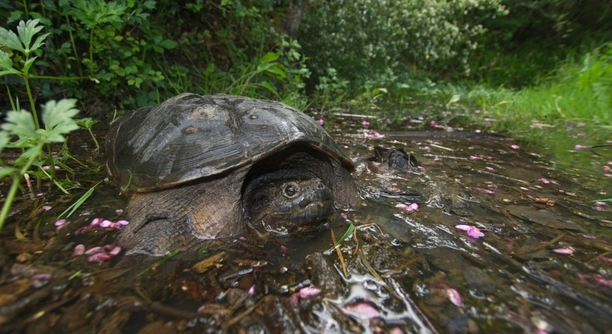
Are you wondering if your common snapping turtle is preparing to lay eggs? Recognizing the signs can help you provide the right environment for nesting. Subtle changes in behavior and physical appearance often indicate when a turtle is ready to lay eggs.
A common snapping turtle preparing to lay eggs will become more restless and may start digging in soft soil. She might also refuse food and exhibit increased movement on land. These behaviors signal that she is searching for a suitable nesting site.
Providing a proper nesting area can make the process smoother for your turtle. Understanding these signs ensures she has a safe and comfortable place to lay her eggs.
Signs Your Snapping Turtle Is About to Lay Eggs
A female snapping turtle will display noticeable behaviors when she is preparing to lay eggs. She may become more active, moving around her enclosure or outdoor space in search of a suitable nesting site. You might notice her repeatedly digging in soft soil or attempting to escape. This is her way of finding the right conditions for laying eggs. Some turtles also stop eating or show less interest in food during this time. Additionally, she may become more defensive or agitated due to hormonal changes. These behaviors are normal and indicate that she is ready to nest.
Providing a quiet, secure nesting area can help ease the process. Loose, sandy soil or a damp substrate is ideal for egg-laying. A stressed turtle may struggle to find a proper spot, leading to complications. Ensuring the right environment allows her to lay eggs safely.
Observing these signs early helps you prepare her nesting area. If she seems restless or is digging frequently, she is likely searching for a suitable place. Once she finds it, she will settle in and begin laying her eggs. Keeping her enclosure safe and undisturbed will give her the best chance for a successful nesting process.
Creating the Ideal Nesting Environment
A suitable nesting area is essential for a snapping turtle to lay eggs comfortably. If she is kept indoors, provide a spacious container with soft, moist soil or sand. For outdoor turtles, a secure, shaded area with loose ground will encourage proper nesting.
The nesting site should have soil that retains moisture without being too wet. A depth of at least six inches allows her to dig a stable nest. Ensure she has privacy, as disturbances can cause stress and delay egg-laying. If she struggles to find a spot, gently guiding her to a prepared area can help.
Temperature and humidity also play a role in successful nesting. Warmer temperatures encourage egg development, so maintaining an optimal range is important. If the conditions are too dry, misting the soil slightly can provide the necessary moisture. Once she lays her eggs, avoid moving them unless necessary. If relocation is required, keep them in the same position to prevent damage. Creating a comfortable and secure nesting environment ensures a smoother process for your turtle.
Monitoring Your Turtle During Egg-Laying
Keep the nesting area undisturbed while your turtle lays her eggs. Any interruptions can cause stress and may lead her to abandon the process. She will likely dig a hole, lay her eggs, and then cover them before leaving. Observing from a distance ensures she feels secure.
Some turtles take several hours to lay all their eggs. She may rest between laying each one, so patience is necessary. If she seems distressed or unable to lay, she might need more time or a slight adjustment to her environment. Avoid handling her during this period unless absolutely necessary. Providing fresh water nearby can help her stay hydrated. Once she finishes, she will likely return to her normal behavior. Allow her to recover in a quiet space with minimal disturbances, as she may be tired from the process.
Eggs should remain undisturbed after being laid. If you plan to incubate them, carefully transfer them to an incubator without rotating them. Marking the top with a pencil helps maintain the correct position. If left in the ground, ensure the area remains safe from predators. Keeping the environment stable is crucial for the eggs’ survival. Proper monitoring and minimal interference give the best chance for successful hatching.
Caring for Your Turtle After Egg-Laying
Your turtle may appear exhausted after laying her eggs. Offering fresh water and a proper basking area helps her recover. She may have a reduced appetite initially, but this should return to normal within a few days. Providing a balanced diet supports her health and replenishes lost nutrients.
Calcium is especially important after egg-laying. Offering calcium-rich foods, such as cuttlebone or calcium supplements, helps restore what was depleted during the process. Keeping her habitat clean prevents infections, especially if she has any minor injuries from digging. Ensure she has access to warmth and a comfortable resting spot. Watching for signs of illness, such as prolonged lethargy or refusal to eat, helps prevent complications.
She will gradually return to her normal activity level. Some turtles lay multiple clutches in a season, so continued monitoring is essential. If she starts displaying nesting behaviors again, providing another suitable site will help. Proper care after egg-laying ensures she remains healthy and ready for future breeding cycles.
Protecting the Nest from Predators
Keeping the nesting site secure prevents predators from disturbing the eggs. If the nest is outdoors, consider placing a protective barrier, such as a wire mesh cover, over the area. This allows air circulation while keeping animals like raccoons or birds from digging up the eggs.
Minimizing disturbances around the nest also helps reduce attention from predators. Avoid leaving food nearby, as it can attract unwanted animals. If the nest is at risk, relocating the eggs to a controlled incubation environment may be the best option. Ensuring the area remains undisturbed increases the chances of successful hatching.
Incubating Snapping Turtle Eggs
If incubating eggs, keep them at a stable temperature between 75°F and 85°F. Humidity should be maintained at around 80%, using a moist but not overly wet substrate. Eggs should remain in the same position they were laid, as rotating them can harm embryo development.
Hatching and Post-Hatch Care
Hatchlings will break through their shells using an egg tooth, a process that can take hours. It is important to let them emerge naturally without interference. Once hatched, they should be placed in a shallow water habitat with appropriate temperature and hiding spots for safety.
FAQ
How long does it take for a snapping turtle to lay eggs?
The egg-laying process can take several hours. A female may dig multiple test nests before settling on a final location. Once she begins laying, she deposits eggs one by one, usually completing the process within two to four hours. Covering the nest afterward may take additional time.
How many eggs do common snapping turtles lay?
A single clutch can contain between 20 and 50 eggs, though some females lay more. The number depends on the turtle’s size, age, and health. Larger and older females typically lay more eggs. Some turtles may lay multiple clutches within the same breeding season.
Where do snapping turtles prefer to lay their eggs?
They prefer sandy or loose soil near water sources. Areas with good drainage and sun exposure are ideal for incubation. Females may travel significant distances to find a suitable nesting site, often choosing quiet, undisturbed locations to ensure the eggs’ safety.
What does a snapping turtle nest look like?
A nest appears as a small hole covered with disturbed soil. After laying, the female carefully conceals the eggs by patting down the soil with her hind legs. The surface may look slightly uneven, but the nest is well hidden from predators.
How can I tell if a snapping turtle is having trouble laying eggs?
Signs of difficulty include prolonged digging without laying, visible distress, restlessness, or repeatedly abandoning nest sites. If she is straining without success or acting lethargic, she may be experiencing egg binding, a serious condition requiring veterinary attention.
Can snapping turtles lay eggs without mating?
Yes, females can lay eggs without mating, but the eggs will be infertile. Unfertilized eggs will not hatch and typically decompose over time. Some turtles retain sperm from previous matings and can lay fertile eggs even if they have not recently encountered a male.
How long does it take for snapping turtle eggs to hatch?
Incubation typically lasts between 55 and 90 days, depending on temperature and environmental conditions. Warmer temperatures speed up development, while cooler conditions extend incubation. Hatchlings usually emerge in late summer or early fall.
Do snapping turtles care for their eggs after laying them?
No, snapping turtles do not provide parental care after laying their eggs. Once the nest is covered, the female leaves, and the eggs develop on their own. Hatchlings must find their way to water without assistance.
What should I do if I find a snapping turtle nest?
It is best to leave the nest undisturbed. If it is in a high-risk area, such as a roadway or construction site, contacting a wildlife expert for advice may be necessary. In some cases, relocating the eggs to a safer place is an option.
Can I move snapping turtle eggs?
Eggs should only be moved if absolutely necessary. If relocation is required, they must remain in the same position they were laid to prevent harm to the embryos. Using a soft, moist substrate in an incubator can improve survival chances.
How can I protect a snapping turtle nest?
A simple wire mesh cover can help keep predators from disturbing the eggs. The cover should allow sunlight and airflow while preventing animals from digging. Minimizing foot traffic around the nest also reduces the risk of accidental damage.
What happens if snapping turtle eggs do not hatch?
Unhatched eggs may have been infertile or exposed to unsuitable conditions. Some may take longer to develop, while others may not hatch at all. If no hatchlings emerge after 100 days, the eggs are unlikely to be viable.
Are snapping turtles aggressive when nesting?
Females may appear defensive if approached while nesting, but they are generally focused on laying eggs. They may hiss or snap if they feel threatened, so it is best to observe from a distance and avoid interfering with the process.
Final Thoughts
Observing a common snapping turtle during nesting season provides insight into its natural instincts and behaviors. These turtles carefully select nesting sites, dig precise holes, and cover their eggs with great care before returning to the water. While they do not provide parental care, their nesting strategies help ensure the survival of their offspring. Understanding the signs that a turtle is about to lay eggs allows for respectful observation and protection of these reptiles. If a nest is found in a risky area, minimal intervention is best unless professional assistance is required.
Protecting snapping turtle nests helps support their populations, especially in areas where human activity disrupts natural habitats. Predators, weather conditions, and environmental changes all affect egg survival, but taking simple precautions—such as avoiding disturbance and using protective barriers when needed—can make a difference. If relocation becomes necessary, following proper handling techniques ensures the best chance for successful incubation. Awareness and conservation efforts contribute to maintaining snapping turtle numbers in the wild.
Patience and caution are essential when encountering a nesting snapping turtle. Keeping a safe distance, allowing the turtle to complete the process undisturbed, and educating others about their nesting habits promotes coexistence. These turtles play a vital role in ecosystems by controlling prey populations and maintaining healthy waterways. By respecting their space and supporting conservation efforts, their survival remains secure for future generations.

Hello,
If you enjoy the content that we create, please consider saying a "Thank You!" by leaving a tip.
Every little bit helps us continue crafting quality advice that supports the health, happiness, and well-being of pets around the world, for pets of all shapes, sizes, and species.
We really appreciate the kindness and support that you show us!