
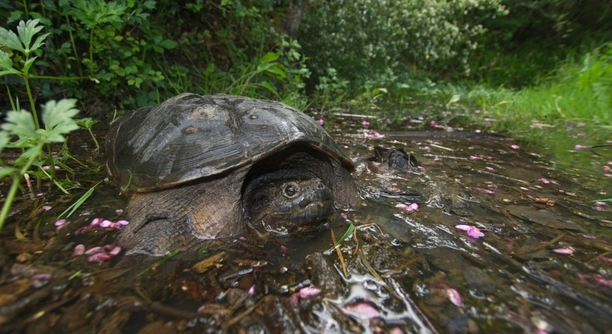
Keeping a snapping turtle in a tank can be a rewarding experience, but it often comes with challenges, especially when it comes to odors. These smells can come from uneaten food, waste, or the tank environment itself.
To reduce odors in a snapping turtle tank, proper tank maintenance is key. Regular water changes, a good filtration system, cleaning the substrate, removing uneaten food, and adding live plants can help reduce odor buildup. A well-maintained tank leads to a healthier environment.
In the following sections, we’ll go over simple steps to help you minimize those smells and create a clean and fresh tank for your snapping turtle. Keeping a clean tank is not only important for odor control but also for your turtle’s well-being.
Regular Water Changes
One of the easiest ways to reduce odors in a snapping turtle tank is by doing regular water changes. Clean water helps prevent the build-up of waste that contributes to unpleasant smells. Changing the water every week or two can make a significant difference. The more often you change the water, the less chance there is for bacteria and excess waste to thrive. Be sure to remove debris and uneaten food before you change the water to keep things even cleaner. Fresh water also reduces the risk of algae growth and keeps the tank looking clear.
Changing the water regularly also ensures that harmful toxins don’t build up, improving your turtle’s overall health.
Additionally, make sure the water temperature is stable. A well-balanced aquatic environment is essential for both the health of your snapping turtle and the cleanliness of the tank. You may also want to use a dechlorinator to treat the water before adding it back to the tank. By keeping your water quality high, the risk of odors and disease is minimized.
Effective Filtration
Another important factor in reducing odors is having a good filtration system. A strong filter can help remove waste, food remnants, and organic matter that cause unpleasant smells. Choose a filter that is appropriate for the size of your tank. A filter that’s too small won’t do the job properly, while an overly powerful filter might disturb your turtle too much. Filters that use both mechanical and biological filtration are especially effective, as they clean the water and help break down waste.
Make sure to clean the filter regularly to ensure its proper functioning. A clogged filter can end up doing more harm than good, leading to poor water quality and increased odors.
Clean the Substrate
The substrate, or the material at the bottom of the tank, can trap debris and waste, which causes odors. Regularly cleaning the substrate is key to keeping the tank fresh. Use a siphon or a gravel vacuum to clean it during water changes. Avoid overfeeding, as excess food can get stuck in the substrate and decompose. You can also replace parts of the substrate every few months to ensure it remains clean and odor-free.
If the substrate is left dirty, it can lead to harmful bacteria growth, which can make the tank smell worse. Changing or cleaning it regularly helps maintain a healthy environment for your turtle.
Consider using a substrate that is easier to clean, such as larger stones or tiles, instead of fine gravel. Fine gravel can trap more debris, making it harder to clean and often resulting in stronger smells. Larger, smoother materials are better at preventing waste from getting stuck.
Remove Uneaten Food
Uneaten food is one of the main sources of odor in a turtle tank. Snapping turtles often leave behind portions of their meals, which can rot quickly and cause unpleasant smells. Make it a habit to check the tank for leftover food every day and remove it promptly. Use a fine mesh net or a small siphon to scoop up any bits of uneaten food. This simple task can have a big impact on the overall smell of the tank.
It’s also important not to overfeed your turtle. Overfeeding leads to excess food in the tank that can go unnoticed and eventually rot. Stick to a feeding schedule, offering just enough food for your turtle to eat in one sitting. This keeps the tank cleaner and reduces the chances of leftover food decaying.
By keeping the tank free from uneaten food, you can prevent excess bacteria growth. Healthy bacteria can break down organic matter, but leftover food can overwhelm them, leading to foul smells. Regular food removal is one of the easiest ways to keep the tank fresh.
Use Live Plants
Adding live plants to your turtle tank can help reduce odors by absorbing excess nutrients and waste. Plants naturally filter the water, providing oxygen and creating a healthier environment for your snapping turtle. Choose hardy plants that can withstand the turtle’s activities and provide shelter.
Make sure to keep the plants healthy by trimming dead leaves and ensuring proper lighting. Over time, plants can absorb organic waste, which helps control the buildup of harmful bacteria that leads to odors.
Live plants also promote a more natural environment for your turtle. They create a habitat where the turtle can hide and feel safe, reducing stress and encouraging natural behaviors.
Consider a UVB Light
UVB lighting is essential for a snapping turtle’s health, but it can also help reduce tank odors. UVB lights encourage the growth of beneficial bacteria that break down waste in the tank. This can help maintain cleaner water and a less-smelly environment.
In addition to its role in reducing odors, UVB light supports your turtle’s overall well-being by aiding in vitamin D3 production, which helps them absorb calcium. Providing your turtle with the proper light setup is an easy and effective way to maintain a balanced environment.
FAQ
How often should I change the water in my snapping turtle tank?
Water changes are crucial for maintaining a clean environment. For a snapping turtle tank, you should change the water at least once a week. However, if the tank is heavily stocked or there are more organic materials, such as uneaten food or plants, you may need to change it more frequently. You can also perform partial water changes every few days, removing 25-50% of the water to maintain optimal water quality. Regular water changes will help prevent the accumulation of toxins and bacteria, which contribute to odors.
Can I use tap water for my snapping turtle tank?
Yes, you can use tap water, but it needs to be treated first. Tap water often contains chlorine or chloramine, which can harm your turtle. To make it safe, use a dechlorinator or water conditioner to remove these chemicals. Ensure the water temperature matches the tank’s needs, as sudden temperature changes can stress your turtle. Additionally, be mindful of the minerals and pH in your tap water. If the water quality is poor, consider using filtered water or adjusting the water parameters to suit your turtle’s needs.
How can I prevent the tank from smelling bad?
To prevent bad odors, focus on cleaning the tank regularly. Remove uneaten food every day, clean the substrate with a siphon or vacuum weekly, and ensure the filtration system is working properly. You can also add live plants, which help absorb excess nutrients and waste, reducing odors. Avoid overfeeding your turtle and provide a good filtration system to remove organic matter. If you maintain a regular cleaning schedule and keep the tank well-maintained, you will significantly reduce the chances of odors developing.
Are there specific plants that can help with tank odor?
Yes, certain plants can help absorb nutrients and waste, reducing odors in the tank. Fast-growing plants like Anubias, Java Fern, or Water Lettuce are great choices. These plants naturally filter the water, providing oxygen and helping maintain a balanced ecosystem. Be sure to trim dead or decaying leaves to prevent them from contributing to bad smells. In addition to helping with odors, live plants provide hiding spots for your turtle, contributing to its overall well-being.
What type of filter should I use for a snapping turtle tank?
A strong filtration system is essential for keeping the water clean and odor-free. For a snapping turtle tank, choose a filter rated for a tank size larger than your actual tank. This ensures the filter can handle the load of waste produced by your turtle. Canister filters are a popular option, as they offer powerful filtration and can hold more media, allowing for better biological filtration. Make sure the filter uses both mechanical and biological filtration to remove waste and break down organic matter efficiently.
Can I use a UVB light to help with tank odors?
Yes, a UVB light can indirectly help reduce odors by promoting the growth of beneficial bacteria in the tank. These bacteria break down waste and organic matter, preventing the buildup of harmful toxins that lead to bad smells. UVB lights also support your snapping turtle’s health by aiding in vitamin D3 production and helping with calcium absorption. Ensure your UVB light is on for about 10-12 hours a day to maintain proper lighting conditions for both your turtle and the tank environment.
How do I know if my tank is clean enough?
A clean tank will have clear water with no visible debris floating around. You should not smell any strong, foul odors when you approach the tank. Regular water changes, proper filtration, and removing uneaten food are essential steps to keep the tank clean. The water should be free of algae build-up, and the substrate should not feel slimy or heavily polluted. If the water is cloudy or there’s a persistent smell, it’s time to check your cleaning routine and filtration system.
Should I remove all waste manually or let the filter do the work?
While a filter plays a crucial role in cleaning the tank, it’s important to remove visible waste manually, especially uneaten food and large debris. You can use a net or siphon to clean the tank. The filter will help with smaller particles, but large waste items need to be removed regularly to prevent them from decaying and creating odors. A combination of manual cleaning and effective filtration is the best approach to keeping the tank clean and odor-free.
How can I prevent algae from growing in my turtle’s tank?
Algae growth in a snapping turtle tank is often caused by excess light and nutrients in the water. To prevent algae, reduce the amount of time the tank light is on, ideally to 10-12 hours a day. Make sure the tank isn’t exposed to direct sunlight, which can promote algae growth. Remove any algae manually if you notice it starting to grow, especially in corners or on decorations. A good filtration system that helps remove excess nutrients also reduces the likelihood of algae blooming.
Can I use chemical cleaners to clean my snapping turtle tank?
Avoid using chemical cleaners, as they can harm your snapping turtle and disrupt the balance of the tank’s ecosystem. Instead, clean the tank using water and natural methods, such as a vinegar solution to clean glass surfaces or a gentle scrub brush. Use a gravel vacuum to clean the substrate, and don’t use any harsh detergents or chemicals that might leave residue. Keeping your cleaning methods natural ensures that your turtle’s environment remains safe and free of toxic substances.
What is the best way to maintain the tank’s temperature?
Snapping turtles thrive in warm water, typically between 75-80°F (24-27°C). To maintain the proper temperature, use an aquarium heater with a thermostat to ensure stable conditions. Monitor the water temperature regularly with a reliable thermometer to prevent fluctuations. Maintaining the right temperature not only supports your turtle’s health but also helps prevent bacteria and mold growth, which can lead to bad smells. Always position the heater correctly to avoid overheating the water or stressing your turtle.
Final Thoughts
Taking care of a snapping turtle requires attention to detail, especially when it comes to maintaining a clean and odor-free tank. Regular water changes, effective filtration, and proper feeding practices are essential to reduce odors and keep the tank in good condition. By removing uneaten food, cleaning the substrate, and replacing water as needed, you can ensure a healthier environment for your turtle. Adding live plants can also help absorb excess nutrients and waste, contributing to a more balanced ecosystem. Keeping the tank clean not only helps reduce odors but also supports your turtle’s overall well-being.
In addition to water and substrate management, using the right equipment can make a big difference in controlling odors. A good filtration system is a must, as it helps remove waste and keeps the water clean. Filters that provide both mechanical and biological filtration are particularly effective in maintaining clear water and reducing bacteria that cause unpleasant smells. UVB lighting also plays a role in the overall health of your snapping turtle and can support the growth of beneficial bacteria that break down waste. These small steps, when combined, create a healthier and fresher environment for both you and your turtle.
By being proactive and staying on top of your turtle’s tank care, you can significantly reduce odors and ensure that your turtle’s habitat remains clean. Regular maintenance and good habits, such as feeding the right amount and monitoring water quality, will make it easier to avoid bad smells. With the right tools and practices, you can enjoy your snapping turtle without worrying about unpleasant odors. Keeping the tank clean and balanced is not only about odor control but also about providing the best possible home for your turtle to thrive in.

Hello,
If you enjoy the content that we create, please consider saying a "Thank You!" by leaving a tip.
Every little bit helps us continue crafting quality advice that supports the health, happiness, and well-being of pets around the world, for pets of all shapes, sizes, and species.
We really appreciate the kindness and support that you show us!