
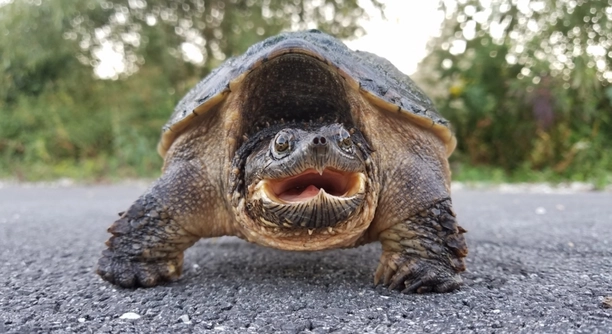
Is your common snapping turtle constantly scratching at the glass of its tank, leaving you wondering what it is trying to do? This behavior can be puzzling, but there are reasons behind your turtle’s persistent digging attempts.
Common snapping turtles often try to dig through the glass due to natural burrowing instincts, stress, or an unsuitable environment. They may be seeking a better hiding spot, reacting to reflections, or responding to temperature and humidity levels that are not ideal.
Environmental factors, habitat setup, and instinctive behaviors all play a role in this digging habit. Understanding these reasons will help you create a comfortable space for your turtle and reduce its stress.
Understanding Your Turtle’s Natural Instincts
Snapping turtles are naturally inclined to burrow and dig in their environment. In the wild, they use this behavior to hide from predators, regulate their body temperature, and search for food. When confined to a tank, this instinct does not simply disappear. If your turtle has limited space or lacks proper substrate, it may attempt to dig through the glass. The clear barrier can be confusing, making it think there is more space beyond. Providing a suitable setup that mimics a natural habitat can help reduce this behavior and keep your turtle comfortable.
A stressed or bored turtle may also dig excessively. If its tank lacks stimulation, it might start trying to escape or dig through the glass as a way to explore. Ensuring your turtle has enough enrichment, like rocks and hiding spots, can help keep it engaged.
A well-maintained habitat with proper lighting, temperature, and substrate can reduce unnecessary digging. Small adjustments, like adding a soft bedding area, can make a difference in your turtle’s comfort. Keeping an eye on its behavior will help you spot any other signs of stress or discomfort.
How to Prevent Excessive Digging
Providing an environment that meets your turtle’s needs is the best way to stop excessive digging. The right setup can make a big difference.
Start by ensuring your tank is spacious enough for your turtle to move comfortably. A small enclosure can cause stress and lead to escape attempts. A minimum of a 40-gallon tank is recommended for a juvenile, while adults need much larger spaces. Adding a deep layer of substrate, like sand or smooth gravel, can give your turtle a more natural digging area. Hiding spots, such as logs or caves, help it feel secure.
Lighting and temperature also play a role in your turtle’s behavior. Make sure the basking area is around 85–90°F and the water temperature stays between 75–80°F. If the tank is too cold or lacks proper UVB lighting, your turtle may become restless. Reflections in the glass can also confuse your turtle, making it think there is another space beyond. Placing a background on the tank’s sides can help minimize this issue. By making these adjustments, you can create a better living space for your turtle and reduce its urge to dig through the glass.
Adjusting the Tank Setup
A tank that lacks proper setup can make your turtle feel uncomfortable. If there are no suitable hiding spots or digging areas, it may start scratching at the glass. Adding natural elements can help create a space that feels more like its natural habitat.
A deep layer of soft substrate, like sand or fine gravel, can give your turtle a designated place to dig. Hiding spots such as rocks, logs, or artificial caves provide security, helping reduce stress-related behaviors. Tank decorations should be arranged to prevent open, exposed areas, as turtles feel safer with coverage. Ensuring clean, properly filtered water also improves overall well-being.
The size of the tank matters as well. A small enclosure can make a turtle feel trapped, leading to escape attempts. An adult snapping turtle needs at least a 75-gallon tank, while a juvenile requires a minimum of 40 gallons. More space allows for natural behaviors, reducing stress and restlessness.
Recognizing Signs of Stress
A stressed turtle may display several behaviors beyond digging. It may pace along the tank’s edges, refuse to eat, or become more aggressive. If your turtle frequently swims against the glass, it could be feeling trapped or overwhelmed by its environment. Identifying stress early helps prevent long-term issues.
Environmental factors often contribute to stress. Poor water quality, incorrect temperatures, and lack of UVB lighting can make a turtle uncomfortable. A strong water filter keeps ammonia and bacteria levels low, while a basking area with proper heat and UVB exposure supports its health. Loud noises and sudden movements near the tank can also create stress. Keeping the tank in a quiet, stable environment helps your turtle feel secure.
Handling should be kept to a minimum. While some reptiles tolerate occasional interaction, snapping turtles generally prefer being left alone. Too much handling can make them defensive and increase stress. If adjustments to the environment do not reduce digging behavior, monitoring your turtle for health concerns or consulting a reptile specialist may be necessary.
Importance of Proper Lighting and Temperature
A turtle’s environment needs the right balance of heat and UVB lighting. Without these essentials, it may become restless and dig excessively. A basking area should be maintained at 85–90°F, while the water temperature should stay between 75–80°F to keep your turtle comfortable and healthy.
UVB lighting is necessary for calcium absorption and shell health. Without it, turtles can develop metabolic bone disease, leading to weakness and discomfort. A high-quality UVB bulb should be placed over the basking area and replaced every six months to ensure it provides the necessary light exposure.
Monitoring Health Issues
Frequent digging can sometimes indicate an underlying health issue. If your turtle shows signs of lethargy, swelling, or abnormal shell appearance, it may be experiencing illness. Respiratory infections, shell rot, and parasites can cause discomfort, making a turtle act out. Regular checkups and proper care help prevent health problems.
Providing Mental Stimulation
A bored turtle may dig more often. Adding floating plants, different textures, and occasional live food can keep it engaged. Rearranging decorations and offering safe objects to explore can also help prevent repetitive behaviors. Small environmental changes can make a big difference in your turtle’s overall well-being.
FAQ
Why does my turtle keep trying to dig?
Turtles, especially snapping turtles, have natural instincts to burrow and dig, which is common in the wild. In their natural environment, digging helps them find food, regulate their body temperature, and hide from predators. When in a tank, these instincts don’t disappear. A turtle may try to dig through the glass because it feels confined or because it’s looking for a hiding spot. If the tank isn’t set up properly with enough substrate or hiding spots, this behavior can become more frequent.
Is it normal for my turtle to scratch at the glass?
Yes, it’s quite common for turtles to scratch at the glass, especially if they are feeling stressed, bored, or cramped. If your turtle is pacing along the glass or scratching at it, it may be trying to escape or searching for more space. It’s a sign that the turtle is not fully comfortable with its environment. Adding more enrichment to the tank or ensuring the setup is adequate can help reduce this behavior.
How can I stop my turtle from digging through the glass?
First, make sure your turtle has enough space. A larger tank with proper depth for substrate and enough hiding spots can greatly reduce the need for digging. Add a deep layer of sand or gravel for it to burrow in. Also, make sure your turtle has a proper basking spot with UVB light and the correct temperature to keep it healthy and comfortable. Avoid keeping the tank too close to windows or bright lights, as this can cause stress due to reflections.
Should I be concerned if my turtle is digging all the time?
Constant digging could indicate stress or discomfort. It may be a sign that your turtle is not happy with its environment, such as a small tank, lack of hiding spots, or inappropriate water temperature. If your turtle is digging excessively, check its habitat conditions and ensure the tank is spacious and offers enough stimulation. If the behavior continues despite improving the setup, consider consulting a vet to rule out any health issues.
Can my turtle hurt itself by digging at the glass?
While turtles are resilient animals, continuous scratching or digging at the glass can cause harm to their claws or stress them out. The behavior itself is usually not harmful, but if it’s a sign of high stress or frustration, it could lead to other health issues. Constant stress can affect a turtle’s immune system, leading to potential health concerns down the line. Reducing the cause of stress can prevent this behavior and help keep your turtle healthy.
What kind of substrate should I use for my turtle’s tank?
For a snapping turtle, a deep layer of soft, fine gravel or sand works well for burrowing. Make sure the substrate is easy to clean and not too coarse, as it could irritate the turtle’s skin or digestive system if ingested. Avoid using sharp rocks that could harm your turtle. You may also want to add some floating plants or logs to create hiding spaces. The goal is to mimic a natural environment where your turtle can behave naturally without causing too much stress.
Is my turtle trying to escape the tank when it digs?
Your turtle might seem like it’s trying to escape, but often it’s not necessarily looking to leave the tank. It could be trying to find a place to hide or exploring the boundaries of its environment out of boredom or frustration. Snapping turtles, in particular, are territorial animals and may try to dig or scratch to mark their space. If the tank feels too small or lacks hiding spots, your turtle may scratch the glass to find what it thinks is a better space.
Can I add other animals to my turtle’s tank to reduce boredom?
While it’s tempting to add other animals to a turtle’s tank for companionship or stimulation, it’s important to carefully choose tank mates. Many turtles, especially snapping turtles, are solitary and territorial. They may not tolerate other animals in their space, and it could lead to stress or even aggression. If you do want to add other animals, be sure to select species that can coexist peacefully with your turtle and ensure the tank is large enough to accommodate everyone comfortably.
How often should I change the water in my turtle’s tank?
Regular water changes are crucial for your turtle’s health. The water should be changed at least once a week, but it depends on the size of the tank and the filtration system. A good rule of thumb is to change about 25-50% of the water each week. If the tank has a strong filter, you can go a little longer between changes, but always monitor the water quality and ensure it stays clean. Keeping the water clean helps prevent stress, skin issues, and illnesses.
Why is my turtle digging after eating?
Digging after eating is often a sign that your turtle is trying to digest or find a place to rest. Some turtles dig to make themselves comfortable after a meal. This behavior can also be linked to the instinct to burrow or find a secure hiding place while they digest their food. It’s perfectly normal unless it’s excessive or accompanied by other signs of distress. Make sure your turtle has enough space and appropriate hiding areas to feel secure after eating.
Final Thoughts
Understanding why your common snapping turtle is digging through the glass is an important step in improving its well-being. Most of the time, this behavior is driven by natural instincts, such as burrowing or seeking a more comfortable space. Snapping turtles are known for their tendency to dig, especially when they are in an environment that does not meet their needs. It’s essential to consider the tank size, water quality, and habitat setup when addressing this issue. A lack of space, appropriate temperature, or hiding spots can make your turtle feel stressed or trapped, causing it to scratch at the glass.
Making simple adjustments to the turtle’s environment can significantly reduce unwanted behaviors like excessive digging. Adding a deeper layer of substrate, such as sand or fine gravel, can allow your turtle to engage in natural burrowing behaviors. Offering plenty of hiding spots, rocks, or logs can also help your turtle feel secure. Ensuring the water temperature and lighting are within the correct range is crucial for their health and comfort. By creating a tank that closely resembles their natural environment, you can help alleviate the stress that often leads to scratching at the glass.
While occasional digging is completely normal, if it becomes constant or excessive, it may signal a deeper issue that needs attention. Always pay attention to your turtle’s overall behavior, such as eating habits or swimming patterns. If changes to the environment don’t resolve the issue, it may be time to consult a veterinarian to rule out any health problems. Your turtle’s happiness and health depend on the right care and environment. With the right setup, you can ensure your turtle is comfortable and thriving.

Hello,
If you enjoy the content that we create, please consider saying a "Thank You!" by leaving a tip.
Every little bit helps us continue crafting quality advice that supports the health, happiness, and well-being of pets around the world, for pets of all shapes, sizes, and species.
We really appreciate the kindness and support that you show us!