
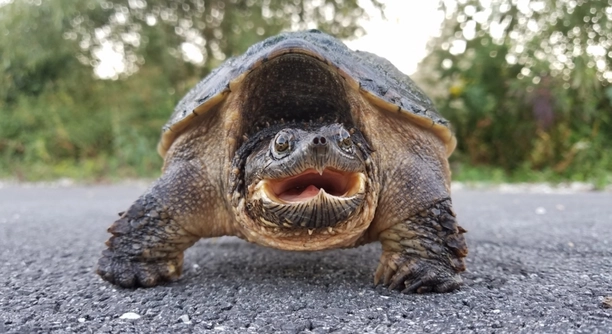
Snapping turtles are fascinating creatures with unique hunting techniques. Have you ever wondered how they find their food? These ancient reptiles have some surprising methods for locating and capturing their meals in their watery homes.
Snapping turtles primarily rely on their sense of smell to locate food. Their highly developed olfactory system allows them to detect scents in the water, guiding them to potential prey. This helps them hunt effectively in their aquatic environments.
Understanding how snapping turtles use their senses to hunt is a fascinating journey. There’s more to these reptiles than just their powerful jaws.
How Do Snapping Turtles Use Their Sense of Smell?
Snapping turtles have a keen sense of smell that they use to detect food. Located in the snout, their nostrils are specifically designed to pick up chemical signals from the water. When they sense something interesting, such as a potential meal, they will follow the scent trail. This ability is especially helpful in murky water, where vision is limited. These turtles don’t need to rely on sight as much as some other animals because their sense of smell helps them locate prey from a distance.
Their sense of smell is also finely tuned to help them detect other animals in the water, like fish or small invertebrates. The chemicals released by these creatures allow the turtle to know when and where to strike. This sensory advantage makes snapping turtles effective hunters, as they can easily track down their meals even when visibility is low.
This sharp sense of smell allows them to be opportunistic hunters. Whether they are looking for fish, amphibians, or even carrion, they can use the water’s scent clues to their advantage.
How Snapping Turtles Hunt
Snapping turtles use a variety of techniques to hunt. One of their most effective methods is ambush hunting. They remain mostly motionless in the water, waiting for potential prey to come close. By remaining still, they avoid scaring away animals that could be dinner.
When the turtle detects a nearby fish or amphibian, it will strike with remarkable speed. This strike is usually enough to catch and hold onto the prey, thanks to the snapping turtle’s powerful jaws. These jaws are strong enough to crush bones, making it easier to eat larger creatures. Snapping turtles also use their sharp claws and powerful legs to help capture and hold their prey.
The ambush tactic is very effective, especially in areas with dense vegetation or low visibility. By using their excellent sense of smell and patience, snapping turtles can easily find and secure their next meal. This makes them skilled and efficient hunters in their environment.
Snapping Turtles and Their Hunting Techniques
Snapping turtles can use both their sense of smell and physical adaptations to track down and capture prey. They are ambush predators, waiting quietly in the water until they detect potential food nearby. Their patience helps them thrive in various habitats, from lakes to marshes.
These turtles are well equipped for an ambush. Their long necks and sharp claws allow them to strike with impressive speed when they sense prey. With a powerful bite, they can quickly capture and hold onto fish, frogs, or small invertebrates. The combination of stealth and strength is key to their hunting success.
Additionally, snapping turtles can often go for long periods without eating, thanks to their ability to store energy. They are opportunistic feeders, meaning they will take advantage of any food that comes their way. This makes them adaptable to different environments where food sources may vary throughout the year.
The Role of Their Vision
Though snapping turtles primarily rely on their sense of smell, they also use their vision when hunting. Their eyes are adapted for low-light conditions, which is useful when they’re submerged underwater. While their vision isn’t as sharp as that of some other predators, it still helps them detect movement.
In murky waters, vision helps them track the movements of fish or other creatures nearby. However, it is less reliable than their sense of smell. If they can’t rely on sight, they can still detect chemical signals released by potential prey, ensuring they don’t miss out on an opportunity.
Despite their limited vision, snapping turtles are excellent hunters. Their hunting strategies involve using a combination of their sharp senses, including smell and vision, to detect prey in their watery environment. This adaptability makes them efficient predators in their habitats.
How Snapping Turtles Hunt at Night
Snapping turtles are primarily nocturnal hunters. During the night, they rely on their heightened sense of smell to locate prey in the dark waters. Their vision is not as effective in low light, so they depend on their sense of scent to find food.
Even though the dark can reduce their visual capabilities, snapping turtles can still successfully hunt at night. Their ability to smell prey in the dark allows them to be effective in various environments, such as ponds, marshes, and streams, where food may be more active at night.
This nocturnal behavior also helps them avoid competition from other predators that are active during the day. It gives them an edge in securing food when other animals are less active or have gone to rest.
Snapping Turtle’s Feeding Habits
Snapping turtles are opportunistic feeders, which means they will eat whatever is available to them. Their diet can include fish, amphibians, small reptiles, birds, and even plants. They are not picky eaters, making it easier for them to survive in different environments.
This wide range of food sources also means snapping turtles are flexible in their hunting habits. They will catch prey when they can, but they may also scavenge, eating whatever comes across their path. Their ability to adapt to different food sources helps them thrive.
Because they don’t always need to hunt regularly, snapping turtles are able to live in areas where food may not always be abundant. Their slow metabolism allows them to survive long periods without eating, which helps them handle food scarcity when necessary.
The Importance of Patience
Patience plays a crucial role in how snapping turtles hunt. They often wait motionless for long periods, allowing prey to come closer. Their ambush tactic relies heavily on staying still and conserving energy until the right moment.
This stillness makes them appear invisible to potential prey, which can approach them without realizing the danger. The snap of their jaws comes fast and with incredible force when prey is close enough, allowing them to secure a meal quickly.
By being patient, snapping turtles conserve energy and wait for the perfect opportunity to strike. This hunting technique ensures that they don’t waste resources while hunting.
FAQ
Do snapping turtles rely only on their sense of smell to find food?
No, snapping turtles use a combination of their sense of smell and vision to hunt. While their sense of smell is their primary tool for locating prey, especially in murky water, their vision helps them detect movement, particularly when light is available. However, they do rely more heavily on their sense of smell to find food, especially at night or in low-light conditions.
Can snapping turtles see well underwater?
Snapping turtles can see underwater, but their vision is not as sharp as other animals. Their eyes are adapted to see in low-light conditions, which is helpful for hunting in murky or dark waters. However, when compared to their sense of smell, their vision plays a secondary role in finding food.
What types of prey do snapping turtles hunt?
Snapping turtles are opportunistic feeders, meaning they will eat whatever is available to them. Their diet primarily includes fish, frogs, small reptiles, and invertebrates like insects and worms. They can also scavenge and consume carrion when the opportunity arises. Their adaptable feeding habits make them highly efficient hunters in a variety of habitats.
How do snapping turtles catch prey?
Snapping turtles are ambush predators. They often remain motionless in the water, waiting for prey to come close. When they sense food nearby, they strike quickly and with incredible force. Their long necks allow them to reach out swiftly and capture prey within moments. They use their sharp jaws to clamp down on their catch, holding it tightly.
Do snapping turtles eat plants?
While snapping turtles are primarily carnivores, they will occasionally eat plants. They may consume aquatic vegetation, such as algae or aquatic plants, when animal food is scarce. However, plants do not make up a significant part of their diet. Snapping turtles are more inclined to hunt for animals due to their dietary needs.
Are snapping turtles dangerous to humans?
Snapping turtles can be dangerous if they feel threatened. They are known for their powerful jaws and quick strikes, which can cause serious injuries if not approached with caution. However, they usually avoid humans and will not attack unless provoked. It’s important to give them space and avoid handling them unless necessary.
How long can snapping turtles go without eating?
Snapping turtles can survive for long periods without food, thanks to their slow metabolism. Depending on the environmental conditions and their energy reserves, they can go without eating for several weeks or even months. This ability to fast allows them to survive in habitats where food may not always be readily available.
What is the best environment for snapping turtles?
Snapping turtles thrive in slow-moving freshwater environments such as ponds, lakes, marshes, and rivers. They prefer shallow waters with plenty of hiding spots, like submerged logs or plants. These environments provide access to both food and shelter, making them ideal habitats for these turtles.
Can snapping turtles live in brackish water?
Snapping turtles can tolerate brackish water, but they primarily inhabit freshwater environments. They are not as adapted to saltwater as some other species of turtles. However, if brackish conditions are mild, snapping turtles may be able to survive for a period, but it’s not their preferred habitat.
Do snapping turtles communicate with each other?
Snapping turtles are not particularly vocal animals, but they do communicate in other ways. They may use body language, such as movements and postures, to signal their intentions. During the mating season, they may become more active and display behaviors that signal readiness to mate. However, snapping turtles are solitary creatures and don’t communicate frequently with other turtles.
How do snapping turtles protect themselves from predators?
Snapping turtles rely on their tough shells for protection against predators. Their large, heavy shells act as a shield, deterring many potential threats. If confronted by a predator, a snapping turtle will retreat into the water or hide under mud and vegetation. If cornered, they may use their powerful jaws to defend themselves.
Are snapping turtles solitary animals?
Yes, snapping turtles are generally solitary. They only come together during the breeding season, and even then, their interactions are limited to mating. Outside of this period, they prefer to live alone, hunting, eating, and resting in isolation. Snapping turtles do not form groups like some other species of turtles.
How fast can a snapping turtle move?
On land, snapping turtles are relatively slow movers due to their bulky bodies. They can reach speeds of around 0.3 to 0.5 miles per hour. In the water, however, they are much faster, using their strong legs and tail to propel themselves at greater speeds. Their speed underwater helps them catch prey and avoid danger.
Do snapping turtles lay their eggs in water?
No, snapping turtles lay their eggs on land. Female snapping turtles travel to sandy or loose soil areas to dig nests where they bury their eggs. The eggs incubate in the warmth of the soil until they hatch. After laying their eggs, the female returns to the water and does not care for the hatchlings.
What should you do if you encounter a snapping turtle?
If you encounter a snapping turtle, it’s important to remain calm and avoid disturbing it. If the turtle is on the road, you can safely move it to the side, but always handle it carefully. Use a shovel or stick to lift it from behind, away from its head. Never try to pick up a snapping turtle by the tail or approach it from the front, as this can provoke an attack.
Final Thoughts
Snapping turtles are fascinating creatures with unique hunting methods and strong survival instincts. Their primary sense of smell plays a huge role in how they locate food, guiding them even in murky water where vision is not as reliable. While their sharp claws and powerful jaws make them efficient hunters, their ability to remain still and wait for prey is a key part of their strategy. This makes them patient and skilled, able to catch prey without wasting much energy.
It’s clear that snapping turtles have adapted well to their environments. Their diet is varied, and they can hunt both actively and scavange when necessary. The ability to eat a wide range of food helps them thrive in different habitats, even during times when food might be less abundant. This adaptability is what allows them to live in ponds, lakes, and marshes, making them successful survivors. They don’t rely on a single food source and can adjust their feeding habits based on availability.
Understanding how snapping turtles use their senses and hunting skills helps us appreciate their role in the ecosystem. These reptiles are more than just fearsome creatures with sharp bites; they are patient, adaptable, and highly skilled hunters. They play an important part in maintaining the balance of their environments by controlling populations of smaller animals. With their ability to survive and hunt effectively, snapping turtles remain one of the most impressive and unique species in the animal kingdom.

Hello,
If you enjoy the content that we create, please consider saying a "Thank You!" by leaving a tip.
Every little bit helps us continue crafting quality advice that supports the health, happiness, and well-being of pets around the world, for pets of all shapes, sizes, and species.
We really appreciate the kindness and support that you show us!