
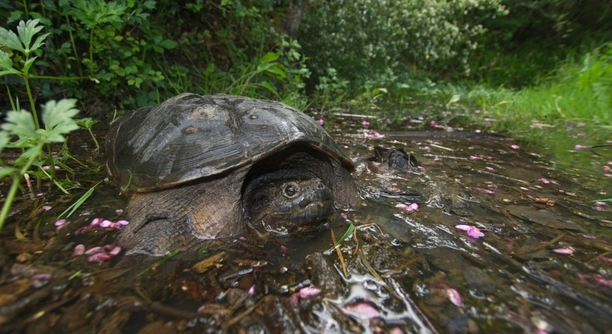
Owning a common snapping turtle can be a rewarding experience, but it comes with the responsibility of ensuring their health and well-being. Regular health checks are essential to maintaining their long-term health and happiness.
It’s crucial to regularly monitor your snapping turtle for signs of illness or distress. Key health checks include assessing their shell, eyes, and overall behavior. These routine inspections will help catch potential issues early and improve their quality of life.
Staying on top of your turtle’s health not only helps prevent serious issues but also promotes a happy, active pet. Understanding the signs to look for will make a big difference in their care.
Check Their Shell Regularly
The shell is one of the most important parts of your snapping turtle’s body. A healthy shell should be smooth, free from cracks, and properly shaped. If you notice any indentations, rough patches, or areas that seem soft, it’s a sign that something may be wrong. Regularly checking the shell ensures that you spot potential issues early, such as infections or nutritional deficiencies. Additionally, keep an eye out for any signs of scarring, as this can indicate past injuries that could affect their overall health. A healthy shell helps protect the turtle from predators and other dangers in their environment.
Checking for damage doesn’t take long. Make sure to handle the turtle gently when inspecting their shell. If you notice anything concerning, seek advice from a vet experienced with reptiles.
A turtle’s shell can sometimes be an indicator of other underlying issues. Problems like vitamin deficiencies or an improper diet can result in an unhealthy shell. For example, if your turtle’s shell is soft or deformed, they may not be getting the right balance of nutrients, like calcium and vitamin D3. Providing a balanced diet and proper lighting is essential to maintain their shell’s health. Make sure your turtle’s habitat has UVB lighting to help with calcium absorption. Keep an eye on the overall condition of the shell and consult a vet if you notice any changes.
Watch for Clear Eyes
Clear eyes are a good indicator of a snapping turtle’s overall health. If your turtle’s eyes appear cloudy, swollen, or red, it might be a sign of an infection or illness. The eyes are sensitive, and changes in their condition should not be ignored.
A turtle’s eyes can easily become infected if they live in unsanitary conditions or have a poor diet. Cloudy eyes might also be linked to dehydration or stress. A clean and well-maintained environment plays a huge role in preventing eye infections. If your turtle’s eyes seem off, take immediate action.
Turtles can develop eye problems for various reasons, including inadequate water quality or poor diet. An unhealthy environment with dirty water or unfiltered tanks can lead to bacteria building up, resulting in eye infections. Additionally, a lack of vitamin A in their diet can also cause eye issues. Ensuring your turtle is eating a balanced diet, rich in vitamins and minerals, will help prevent such problems. If you notice persistent eye issues, consult a reptile vet for advice on treatment and to rule out any serious health concerns. Proper hydration and water cleanliness are essential to your turtle’s health.
Observe Their Appetite
A turtle’s appetite can tell you a lot about their health. If your snapping turtle suddenly stops eating or eats much less than usual, it could be a sign of illness. Changes in eating habits should not be ignored. Keep track of how much your turtle eats and when. If it seems like they are refusing food for more than a few days, consider checking their environment and consulting a vet if needed.
A loss of appetite can also be a result of stress or improper tank conditions. Check if their habitat temperature, water quality, or lighting might be off. Stressful changes, such as loud noises or being moved to a new tank, can lead to a temporary lack of appetite. Make sure your turtle’s living conditions are stable. Also, ensure their food is fresh and varied to keep them interested. If they continue to refuse food, it’s important to investigate further.
Sometimes, a decrease in appetite is a sign of an internal problem, such as a gastrointestinal issue or an infection. Turtles may also eat less during their hibernation period, but outside of this, a drop in food intake should raise concerns. A vet may need to run tests to determine if there’s an underlying health issue. If your snapping turtle isn’t eating, it’s important to check other aspects of their health and environment to find the cause.
Monitor Their Behavior
A snapping turtle’s behavior can provide clear signals about their health. Active and curious turtles are usually healthy, while lethargy or aggression can indicate something’s wrong. If your turtle is hiding constantly or becoming more aggressive than usual, it might be worth investigating further.
Lethargy, in particular, can be a sign of stress, illness, or an unsuitable environment. Check if their water temperature is too low or if they are exposed to drafts. Snapping turtles are naturally shy, but if they start avoiding their tank or seem to be losing interest in their surroundings, it could indicate discomfort or sickness. Any significant behavior change should raise a red flag.
Also, turtles are creatures of habit. If your turtle has suddenly changed its activity patterns, it could be struggling with something internally, like a shell infection or digestive issue. Always keep an eye on how they react to different stimuli, such as light, temperature, and food. If your turtle has become overly passive or irritable, consider adjusting their environment or seeking a vet’s advice.
Check Their Nails
Overgrown nails can be an issue for snapping turtles, making it harder for them to move and feed. If their nails become too long, it can cause pain and discomfort. Regularly check their nails to ensure they are not getting too long and trimmed when necessary.
Trimming their nails isn’t difficult, but you need to be cautious. Using specialized turtle nail clippers can help avoid injury. If you are unsure about trimming, you can seek professional help. It’s important not to cut too deep to avoid harming the turtle. Regular maintenance will help keep your turtle comfortable.
Inspect for Parasites
Parasites can cause a variety of health issues in snapping turtles. Always inspect your turtle for any signs of external parasites like mites, ticks, or leeches. These can easily be spotted on the skin or shell and can cause irritation or infection.
Internal parasites, like worms, may not be visible but can affect your turtle’s digestion and overall health. If you suspect your turtle has a parasite, seek advice from a reptile vet. Treatment is typically straightforward but should be done as soon as possible to prevent further complications.
FAQ
How often should I check my snapping turtle’s health?
You should check your snapping turtle’s health regularly, at least once a week. This includes inspecting their shell, eyes, nails, and overall behavior. Regular checks help identify any issues early before they become serious problems. Additionally, keep an eye on their appetite and ensure they are eating enough. Monitoring these areas consistently will help you spot changes in their health and make necessary adjustments to their care routine. If you notice anything unusual, it’s always a good idea to consult a vet to get a professional opinion.
What can cause my snapping turtle’s shell to soften?
A soft shell could be due to a calcium deficiency. Snapping turtles require a proper balance of calcium and vitamin D3 to maintain a strong, healthy shell. If their diet lacks these nutrients, or if they are not exposed to proper UVB light, their shell might soften over time. Another possible cause could be improper water quality or conditions. Make sure your turtle’s diet includes calcium-rich foods like leafy greens and bones, and ensure they are exposed to UVB lighting regularly to aid in calcium absorption. If the problem persists, consult a vet for advice.
Can my snapping turtle live without water?
No, snapping turtles cannot live without water. They are aquatic creatures that need water to survive, as it helps with hydration, food intake, and maintaining their body temperature. While they may spend time basking on land, especially when soaking up UVB light, they need access to clean water for swimming and feeding. Without water, your turtle will quickly become dehydrated and malnourished. Always provide a suitable aquatic environment for your turtle to thrive, ensuring it has enough space to swim and bask as needed.
How can I tell if my snapping turtle is stressed?
Signs of stress in snapping turtles can include changes in behavior such as hiding more than usual, refusing food, or becoming more aggressive. Stress can also manifest in physical symptoms like lethargy, poor shell health, or eye problems. Common causes of stress include poor water quality, sudden changes in their environment, improper tank temperature, or loud noises. Make sure your turtle’s tank is clean, the water temperature is appropriate, and the lighting is correct. A stable and calm environment will help reduce stress and improve your turtle’s overall well-being.
Why is my snapping turtle not eating?
There are several reasons why your snapping turtle may not be eating. It could be due to stress, changes in water quality, or improper temperatures in their environment. If the water is too cold, it can slow down their metabolism, making them less interested in food. Illness or parasites can also cause a lack of appetite, as can an unbalanced diet. If your turtle isn’t eating for more than a few days, check their tank conditions and provide a variety of food options. If they still refuse to eat, consult a vet to rule out any health issues.
How can I keep my snapping turtle’s water clean?
To maintain clean water, make sure your turtle’s tank is properly filtered. A good filter will help remove waste, debris, and excess food, preventing the growth of harmful bacteria. It’s also essential to change a portion of the water regularly, about 25-30% each week. Avoid overfeeding your turtle, as uneaten food can quickly pollute the water. Also, check the water temperature regularly, as bacteria thrive in water that is too warm. Maintaining a clean and stable environment is key to keeping your snapping turtle healthy.
What should I feed my snapping turtle?
Snapping turtles are omnivores, so their diet should include a mix of animal and plant-based foods. Common food items include fish, insects, and earthworms, as well as leafy greens, fruits, and aquatic plants. A varied diet ensures they get all the nutrients they need for healthy growth and a strong immune system. You can also feed them commercial turtle food, but it should not be their sole source of nutrition. Always make sure to remove uneaten food from the tank to keep the water clean. Fresh, natural foods are ideal for their long-term health.
How can I tell if my snapping turtle has a shell infection?
Shell infections in snapping turtles can be indicated by swelling, discoloration, or softness of the shell. If you notice any unusual changes in the texture or color of the shell, or if there is any discharge or foul smell, it’s time to act. An infection can occur due to poor water quality, trauma, or a lack of proper nutrients. It’s important to address the issue immediately by improving their habitat, ensuring proper diet, and consulting a vet for treatment. Early intervention can help prevent further damage and promote healing.
How much space does my snapping turtle need?
Snapping turtles require ample space to swim and explore. The minimum tank size for an adult snapping turtle is typically 75 gallons, but larger tanks are always better. The tank should be deep enough for them to swim comfortably and should have both water and land areas. Ensure that your turtle has plenty of space to bask under UVB lighting and that the tank is properly filtered to maintain clean water. More space allows your turtle to move freely, exercise, and reduce stress. Make sure the tank’s environment is appropriate for your turtle’s size and needs.
Can I keep more than one snapping turtle together?
Snapping turtles are solitary creatures and can be territorial, especially as they mature. Keeping more than one snapping turtle together may lead to aggression or fighting. If you want to house multiple turtles, make sure each one has enough space and that there are separate basking areas and hiding spots. Monitor their behavior closely and be prepared to separate them if any signs of aggression occur. Generally, it’s safer and less stressful for each turtle to have its own tank.
Caring for a snapping turtle requires attention to detail and regular monitoring to ensure their well-being. These reptiles may seem low-maintenance, but they need a balanced environment, proper diet, and routine health checks. When you stay on top of their needs, you can help prevent common health issues and spot any potential problems early. Healthy turtles are more active, eat well, and enjoy a long life. It’s essential to keep track of factors like water quality, lighting, and food, as these directly affect their health.
Their behavior, appetite, and physical condition are all good indicators of their overall health. If you notice changes, such as a loss of appetite, unusual behavior, or changes in their shell, it’s important to investigate further. In some cases, these signs might indicate stress, an infection, or a lack of essential nutrients. Taking action quickly can make a big difference in your turtle’s recovery and comfort. Regular health checks will help you stay on top of their needs and keep them in the best possible condition.
By providing a stable environment, a proper diet, and regular health checks, you ensure that your snapping turtle stays healthy and happy. Remember that they are creatures of habit, so any significant change in their behavior or appearance should be addressed right away. If you’re ever unsure about their health, don’t hesitate to contact a vet who specializes in reptiles. Regular care and attention will lead to a long and fulfilling life for your snapping turtle.

Hello,
If you enjoy the content that we create, please consider saying a "Thank You!" by leaving a tip.
Every little bit helps us continue crafting quality advice that supports the health, happiness, and well-being of pets around the world, for pets of all shapes, sizes, and species.
We really appreciate the kindness and support that you show us!