
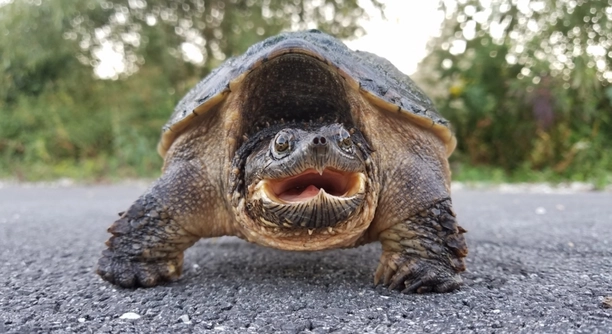
Common snapping turtles are a fascinating species that can be found in various bodies of water. Their behavior and natural instincts can often be a topic of concern, especially when it comes to how they interact with humans.
Common snapping turtles can bite if they feel threatened or cornered. Their bites are powerful and can cause significant harm. While they typically prefer to avoid human interaction, it’s important to be cautious when handling or approaching them.
Understanding the behavior of these turtles can help prevent accidents. Knowing how to interact with them properly can ensure safety for both you and the turtle.
What Makes Common Snapping Turtles Dangerous?
Common snapping turtles are known for their strong jaws and aggressive defense mechanism. They often use their bites to protect themselves, especially when they feel threatened. These turtles have powerful muscles that allow them to snap quickly, making them potentially dangerous if they are startled or feel cornered. Despite their intimidating reputation, snapping turtles prefer to stay away from humans. They are more likely to bite if they are provoked or feel trapped. It’s important to give them plenty of space in the wild to avoid getting injured.
Their bites can be severe, and the turtles may not hesitate to strike if they feel threatened. A common snapping turtle’s bite can cause cuts or even break bones, so it’s vital to stay cautious when near one. When they snap, it’s usually quick and powerful, and it can happen without warning. They have sharp beaks that help them catch and tear apart prey, which is why they can be so dangerous when they strike.
It’s crucial to recognize the signs of aggression in snapping turtles. They may hiss, rear up their heads, or show signs of defensive behavior before striking. This helps you to recognize when they feel threatened, and taking a few steps back can help avoid a painful bite. Understanding these warning signs allows for safer interactions with the turtles.
How to Safely Approach a Common Snapping Turtle
If you ever find yourself near a snapping turtle, it’s essential to stay calm and keep your distance. Moving slowly and avoiding any sudden actions is key. Snapping turtles are very sensitive to movements around them and will react if they feel threatened.
If you must approach a snapping turtle, try to do so from behind. This reduces the risk of startling it. However, it’s best to avoid handling them altogether. If you need to move the turtle, always use a stick or something similar to lift it, never your hands. This way, you can avoid direct contact and the risk of a bite.
The best practice when encountering a common snapping turtle is to simply admire it from a safe distance. Giving it space will ensure both you and the turtle remain safe. While these turtles are fascinating creatures, respecting their boundaries is the most important thing for everyone’s safety.
How to Avoid Getting Bitten by a Snapping Turtle
To avoid getting bitten by a snapping turtle, always maintain a safe distance. These turtles don’t typically seek human interaction, so giving them space is crucial. If you need to move one, use a stick or a similar object to avoid direct contact.
Snapping turtles are most likely to bite if they feel threatened or trapped. Avoid making any sudden movements, as this can cause the turtle to feel defensive. If you must approach one, move slowly and keep your distance. Do not try to touch or grab the turtle by its shell or tail, as this can provoke it into striking. Snapping turtles have strong, quick bites that can cause serious injuries, so the safest choice is to stay far enough away.
Remember that snapping turtles are wild animals, and they should be treated with respect. Never attempt to handle one unless absolutely necessary, and even then, take proper precautions. Respecting their space will keep both you and the turtle safe from harm.
What to Do if You Get Bitten by a Snapping Turtle
If you’re bitten by a snapping turtle, seek immediate medical attention. Their bites can break skin and cause deep wounds, so it’s important to clean the area thoroughly. Wash the bite with soap and water and apply pressure to stop any bleeding.
In some cases, snapping turtles carry bacteria in their mouths, which can lead to infection if the bite is not treated properly. It’s important to keep the wound clean and covered until you can receive medical care. If you notice any swelling, redness, or increased pain around the bite, you may have an infection and should visit a doctor as soon as possible.
While snapping turtle bites are not usually fatal, they can be very painful and require prompt treatment. Taking care of the bite as soon as possible can reduce the risk of complications and help ensure that you heal quickly.
Common Snapping Turtle Bite Characteristics
A common snapping turtle’s bite is swift and powerful. They can snap their jaws shut with great force, which is why their bites can be quite painful. The sharp edges of their beaks are designed for tearing through flesh, making their bite a serious concern.
The force behind their bite varies depending on the size of the turtle. Larger snapping turtles can generate more pressure with their bite. A bite from one of these turtles can break skin and potentially cause fractures, especially in smaller areas of the body like fingers. The impact is fast, so it’s often difficult to react in time.
Why Snapping Turtles Bite
Snapping turtles tend to bite as a form of defense when they feel threatened. They don’t seek out confrontation but will lash out if they feel cornered or provoked. This is why it’s important to avoid handling them unnecessarily. Their aggressive nature is a survival instinct, not an act of aggression.
Their bites serve as a warning to stay away, and they will continue to use them as long as they feel under threat. Snapping turtles also bite when protecting their territory, so if you come across one near its nest or resting spot, back off and give it room to move freely.
Snapping Turtle Bite Prevention
The best way to prevent a bite is to avoid getting too close. When handling a snapping turtle, always use tools like a stick or a board to move it safely. Never use your hands, even if the turtle appears calm. Always keep a safe distance when admiring them in the wild.
FAQ
Do snapping turtles bite humans?
Yes, snapping turtles can bite humans, especially if they feel threatened or cornered. Their bites can cause significant harm due to the strength of their jaws. They don’t seek out confrontation but will defend themselves if provoked. If you approach too closely or try to handle them, you risk getting bitten.
How hard is a snapping turtle’s bite?
A snapping turtle’s bite is quite strong. Larger snapping turtles can exert several hundred pounds of pressure per square inch with their jaws. The force behind their bite is enough to break bones or cause deep puncture wounds. Their sharp beaks can tear through flesh quickly, making them dangerous if not handled carefully.
What should I do if a snapping turtle bites me?
If bitten by a snapping turtle, clean the wound immediately with soap and water. Apply pressure to stop any bleeding and seek medical attention as soon as possible. Snapping turtles can carry bacteria in their mouths, so it’s crucial to get a tetanus shot and antibiotics if needed to prevent infection. Keep the wound clean until you can see a doctor.
Why do snapping turtles bite?
Snapping turtles bite as a defense mechanism. They feel vulnerable when approached by humans and other animals, so they use their powerful jaws to protect themselves. Unlike some other turtles, snapping turtles can’t hide in their shells, so they rely on their bite to keep potential threats away. They will also bite when protecting their nests or territory.
Can snapping turtles bite through bone?
Yes, snapping turtles can bite through bone, especially if they are large. Their jaws have enough strength to break through the skin and even fracture smaller bones, such as fingers. The bite force of larger turtles can exceed 1,000 psi, which is strong enough to cause serious damage to bone.
Are snapping turtles dangerous to pets?
Snapping turtles can be dangerous to pets, particularly smaller animals like dogs or cats. If a pet approaches a snapping turtle too closely, the turtle may bite in self-defense. It’s best to keep pets away from snapping turtles in the wild, as the risk of injury from a bite is high.
How do you safely move a snapping turtle?
To safely move a snapping turtle, use a long stick or a piece of cardboard to lift it by the sides of its shell. Never try to pick it up by the tail or the head, as this can harm the turtle. Move the turtle gently and carefully to avoid provoking it.
What do snapping turtles eat?
Snapping turtles are omnivores and will eat a wide variety of foods, including fish, amphibians, insects, small mammals, and even plants. They are opportunistic feeders, meaning they will eat whatever is available. Snapping turtles are also scavengers, feeding on carrion if they come across it.
How long do snapping turtles live?
Snapping turtles can live for several decades, with some individuals reaching 30-50 years or more. Their lifespan depends on their environment and whether they face threats like predators or habitat destruction. In the wild, snapping turtles tend to live longer than those in captivity.
Can a snapping turtle swim after being bitten?
Yes, snapping turtles can swim after biting something. Their ability to move in water is not directly affected by their bite. Snapping turtles are strong swimmers and spend much of their time in water, hunting for food or resting. A bite doesn’t hinder their swimming abilities.
What is the size of a common snapping turtle’s bite?
The size of a common snapping turtle’s bite varies with age and size. Smaller snapping turtles may only bite with moderate force, but larger adults can exert over 1,000 psi. The bite size can be severe enough to break bone or cause deep lacerations.
Final Thoughts
Snapping turtles are fascinating creatures, but they can also be dangerous if not respected. While they are generally shy and prefer to stay away from humans, their powerful bite can cause serious harm if they feel threatened. It’s important to understand their behavior and recognize when they are becoming defensive. Keeping a safe distance from snapping turtles is the best way to avoid getting bitten. If you must approach or move one, always use a stick or another object to do so safely.
These turtles play an important role in their ecosystems, and their presence helps maintain a balance in the environment. Despite their intimidating appearance, they are not aggressive by nature. They only use their bite as a last resort to protect themselves. In the wild, snapping turtles are primarily scavengers, feeding on a wide range of foods. Their role in controlling populations of smaller animals and maintaining healthy ecosystems should not be overlooked.
It’s always important to treat wild animals with respect and care. Understanding snapping turtles’ behavior and how to interact with them safely will help ensure that both humans and turtles can coexist without harm. If you come across one in the wild, admire it from a distance, and remember that the best way to enjoy wildlife is by respecting their space.

Hello,
If you enjoy the content that we create, please consider saying a "Thank You!" by leaving a tip.
Every little bit helps us continue crafting quality advice that supports the health, happiness, and well-being of pets around the world, for pets of all shapes, sizes, and species.
We really appreciate the kindness and support that you show us!