
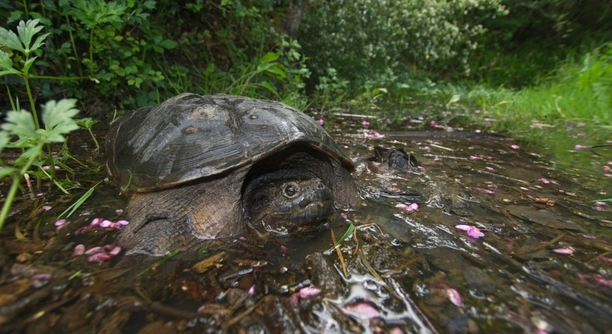
Common snapping turtles, native to North America, are fascinating creatures. Many people wonder how they survive cold winters, especially when temperatures drop. One aspect of their survival that catches attention is their ability to endure the colder months.
Snapping turtles do not hibernate in the traditional sense. Instead, they enter a state of dormancy called brumation, where their metabolism slows down significantly. During this period, they remain inactive, often submerged in mud or underwater to stay insulated from freezing temperatures.
Brumation is a vital part of the turtle’s survival strategy during winter. Learning about their unique adaptation helps understand their behavior and how they thrive in varying climates.
What is Brumation?
Brumation is often mistaken for hibernation, but it differs in key ways. While both are states of dormancy, hibernation typically involves a deep sleep with little to no activity, while brumation allows for limited movement. During this time, the snapping turtle’s metabolism slows down dramatically, allowing it to survive without needing food. This process takes place in colder months when the environment becomes inhospitable for active living. Turtles may find a safe, muddy spot in ponds, lakes, or marshes to rest. It is essential for snapping turtles to enter brumation so they can preserve their energy and avoid the cold.
In brumation, turtles can still wake up occasionally, but they remain sluggish and mostly inactive. Their body temperature drops with the surrounding environment, making them less responsive to changes around them.
Brumation is an important survival mechanism. Without it, snapping turtles wouldn’t be able to cope with freezing winter temperatures. They have evolved to adapt to this challenging season, staying safe until the warmth returns in spring. Their ability to slow down metabolism is a unique way of surviving in environments with harsh winters.
How Long Does Brumation Last?
Brumation can last for several months, depending on the climate. In colder regions, it may last from late fall to early spring. The exact duration varies based on local weather conditions and the turtle’s environment. It is crucial for them to stay inactive during this period to avoid freezing.
Once temperatures rise again, snapping turtles slowly emerge from brumation. Their bodies gradually warm up, and they become more active as the season progresses. The change in temperature signals the end of brumation, and the turtles resume their normal activities like feeding and mating.
Where Do Snapping Turtles Brumate?
Snapping turtles typically brumate in the mud at the bottom of ponds, lakes, or slow-moving rivers. The mud acts as insulation, keeping them protected from freezing temperatures. These turtles may also burrow into the soft, damp soil along the shoreline, finding shelter from harsh conditions.
The choice of brumation site is vital. A deep, muddy area prevents the cold from reaching them directly and keeps the turtles hidden from predators. This location provides a safe environment where they can remain relatively undisturbed throughout the winter. Snapping turtles often prefer areas with low water flow or deep enough to avoid ice.
While submerged, the turtle’s body temperature matches that of the surrounding water. This helps them conserve energy and stay in a state of dormancy. The deeper they can burrow into the mud, the better protected they are from freezing conditions above the surface. Their body stays safe and stable until the warmth of spring returns.
What Happens During Brumation?
During brumation, a snapping turtle’s metabolism slows to almost a complete stop. Their heart rate and breathing slow down, and they don’t need food to survive. As cold-blooded animals, they rely on the ambient temperature to regulate their internal processes.
The turtles enter a deep state of rest, where they may occasionally move if disturbed. However, the lack of food means they rely on stored energy to survive. Their bodies essentially shut down normal activity, allowing them to endure the winter with minimal energy expenditure. If temperatures fall too low, they are at risk of freezing.
While brumating, snapping turtles are essentially in a deep rest phase. Their body can survive without nourishment for months as long as the temperature doesn’t drop too drastically. This survival mechanism helps them stay alive during the coldest parts of the year, when food sources are scarce and conditions are unfavorable.
How Do Snapping Turtles Find Brumation Spots?
Snapping turtles have an instinctive ability to find suitable places for brumation. They seek areas with mud or soft substrates that can provide insulation from cold temperatures. Their selection of these sites is vital for survival during the colder months when they enter a dormant state.
Their instincts guide them to areas with low water flow or deep enough to remain safe from freezing temperatures. These areas offer a stable environment where they can avoid disturbance and remain protected from predators. Turtles usually brumate in places with minimal movement to ensure they stay undisturbed.
How Does Brumation Affect Snapping Turtles?
Brumation plays a major role in the survival of snapping turtles. It allows them to bypass the harsh conditions of winter by slowing their metabolism and limiting their movement. Without brumation, they would struggle to survive during cold months when food and warmth are unavailable.
During this time, they don’t need food, which helps them conserve their energy until the spring. Their body temperature aligns with the water temperature, which is crucial for maintaining their ability to survive. This period of dormancy is essential for their overall well-being, especially in colder regions.
Risks of Brumation for Snapping Turtles
While brumation is a natural survival mechanism, it isn’t without risks. If the temperature drops too much or if the turtle is not properly insulated, they may freeze, leading to death. Additionally, if brumation is disturbed too frequently, it can affect their health.
FAQ
Do snapping turtles hibernate or brumate?
Snapping turtles do not hibernate in the traditional sense. Instead, they brumate, which is a similar process but with some key differences. During brumation, snapping turtles’ metabolism slows down significantly, but they remain conscious enough to occasionally move. Unlike hibernation, which involves a deeper sleep, brumation is more of a rest state, where the turtles are not actively searching for food or moving around, conserving their energy for the colder months.
Can snapping turtles survive the winter without food?
Yes, snapping turtles can survive without food during brumation. Their bodies go into a dormancy state, where their metabolism slows down so significantly that they don’t require food. They rely on stored energy within their bodies to get through the months of inactivity. However, it’s important that they have enough reserves to last them throughout the brumation period.
How do snapping turtles avoid freezing in winter?
Snapping turtles avoid freezing by seeking out deep mud or water during brumation. The mud provides insulation and helps them stay protected from freezing temperatures above the surface. By staying submerged, their body temperature matches that of the surrounding water, preventing them from freezing. This ability to adapt to the cold is essential for surviving the winter months.
Where do snapping turtles go during the winter?
During the winter, snapping turtles typically retreat to the bottom of ponds, lakes, or slow-moving rivers, where they bury themselves in mud. These muddy areas offer protection from freezing conditions and provide an insulated environment for brumation. They can also seek shelter along the shoreline, depending on the depth of the water.
Can snapping turtles brumate in any pond or lake?
Snapping turtles generally prefer deeper bodies of water, such as ponds, lakes, and slow-moving rivers, where they can easily access mud. While they can brumate in different types of freshwater environments, the water must be deep enough to prevent freezing completely and provide them with adequate shelter during the cold months.
How do snapping turtles know when to start brumating?
Snapping turtles know when to start brumating based on environmental cues. As the temperatures begin to drop, their internal biological clocks signal them to seek out a suitable brumation spot. They are instinctively drawn to the colder areas of the water as it signals their bodies to begin the dormancy process, helping them conserve energy during the winter.
Do snapping turtles brumate in the same spot every year?
In many cases, snapping turtles will return to the same brumation spot year after year. This is due to their instinctive preference for certain environmental conditions, such as deep mud and low water flow. However, if environmental factors change, such as the freezing of a previously safe area, they may seek alternative spots to brumate.
How long does brumation last for snapping turtles?
Brumation for snapping turtles can last anywhere from a few months to up to five months, depending on the climate and temperature. In colder regions, brumation typically starts in late fall and ends in early spring. The exact duration depends on how long the temperatures stay low enough to trigger dormancy. During this period, they remain inactive and are not seeking food or moving around.
What happens if a snapping turtle is disturbed during brumation?
If a snapping turtle is disturbed during brumation, it may briefly wake up and become sluggish. The disturbance can cause the turtle to expend energy unnecessarily, which can be harmful during a period when energy conservation is crucial. In some cases, frequent disturbances can lead to health complications for the turtle, especially if they do not return to their dormant state quickly.
Do snapping turtles brumate at different times depending on where they live?
Yes, the timing of brumation can vary depending on the geographical location and climate. In colder regions, turtles will begin their brumation process earlier in the fall, while in warmer areas, brumation may start later or not occur at all. The duration of brumation also depends on the length of the cold season in their specific area.
How do snapping turtles find their way back to their brumation spot?
Snapping turtles have excellent navigation skills and typically rely on instinct to find their way back to their brumation site. They use environmental cues such as water temperature, depth, and the surrounding landscape to guide them. Once they’ve found a suitable spot for brumation in previous years, they instinctively return to it when the time comes.
Can snapping turtles brumate in tanks or captivity?
In captivity, snapping turtles do not always brumate unless the conditions are specifically set up to mimic the natural environment. If the water temperature is kept cold enough, some turtles may enter a dormant state. However, in most cases, captive turtles will not brumate in the same way they do in the wild because they are often provided with food and kept in a warmer environment.
Final Thoughts
Understanding the brumation process of snapping turtles helps us appreciate how these creatures survive in harsh winter conditions. While they don’t hibernate like some animals, their ability to enter brumation allows them to conserve energy and stay safe until the weather warms up. This survival mechanism is essential for their well-being, especially in colder regions where freezing temperatures would make it difficult for them to find food and stay active. By retreating to the deep mud or water, snapping turtles ensure they are insulated from the cold and can rest through the winter months.
It’s important to remember that brumation isn’t a simple form of “sleep” or “hibernation” where the turtle is completely inactive. They may move slightly, but their metabolic rate drops so much that they don’t need to eat or drink for several months. The cold-blooded nature of these turtles means that their body temperature is regulated by the surrounding environment, making it crucial for them to find a safe, stable spot where they can avoid freezing. They are well-adapted to withstand the cold, but it’s vital for them to find the right spot where they can remain undisturbed until warmer weather returns.
Brumation is a fascinating and unique adaptation that helps snapping turtles thrive in environments with harsh winters. While the process might seem odd to us, it’s an important part of how these turtles survive. Their ability to enter dormancy and conserve energy through the colder months ensures they have the best chance of living through the winter and continuing their life cycle when spring arrives. Understanding these behaviors can help us better protect their habitats and ensure that snapping turtles continue to flourish in their natural environments.

Hello,
If you enjoy the content that we create, please consider saying a "Thank You!" by leaving a tip.
Every little bit helps us continue crafting quality advice that supports the health, happiness, and well-being of pets around the world, for pets of all shapes, sizes, and species.
We really appreciate the kindness and support that you show us!