
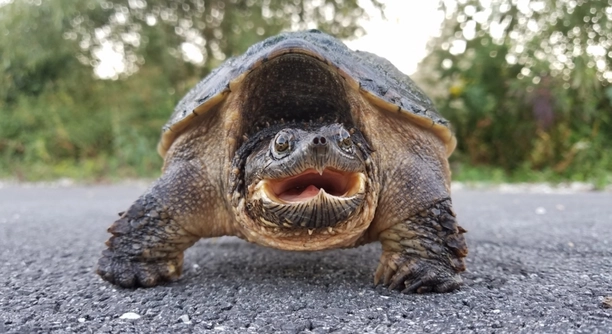
Common snapping turtles are fascinating creatures that can be found in many freshwater habitats. These reptiles are known for their strong jaws and tough exteriors, but there’s more to their survival than meets the eye.
While common snapping turtles can hold their breath for extended periods underwater, they are not immune to drowning. Their ability to swim and breathe while submerged relies on certain conditions, but if those conditions are not met, they can struggle to stay alive.
The surprising truth behind their ability to thrive in aquatic environments is linked to how they use their lungs and gills. Understanding this will provide deeper insight into their survival strategies in water.
How Do Common Snapping Turtles Survive Underwater?
Common snapping turtles have evolved to thrive in watery environments, thanks to their remarkable ability to hold their breath for long periods. In fact, these turtles can stay submerged for up to 40 minutes to an hour, depending on water temperature and activity. Their breathing techniques, which involve absorbing oxygen through specialized skin areas, help them survive underwater. These turtles can also rest or slow down their metabolism to extend their time beneath the surface. They are excellent swimmers, and their strong limbs and long tails help them navigate through murky waters with ease. However, despite their impressive adaptations, there are limits to how long they can go without oxygen.
In warmer water, snapping turtles can hold their breath for longer periods. The cooler the water, the quicker their metabolism becomes, which means they need to resurface more often to breathe.
These turtles’ ability to thrive underwater is impressive, but it doesn’t mean they can stay submerged indefinitely. Their need for oxygen can become critical in certain circumstances, like when the water becomes too warm, or the turtle’s body is under stress. Under these conditions, their survival time decreases, and they may struggle to breathe. As a result, they sometimes end up in shallow areas to access more oxygenated water or even emerge onto land to rest.
How Can They Drown?
Snapping turtles are not immune to drowning, despite their ability to survive underwater for long stretches. The process of drowning typically occurs when they can no longer access enough oxygen, whether from water or air. While they are capable of holding their breath for a time, oxygen-deprived conditions can cause them to suffocate.
These turtles may struggle to breathe if they become trapped in low-oxygen environments, like stagnant ponds or areas with insufficient water flow. They rely on the natural flow of oxygen-rich water around their bodies to survive. When faced with limited oxygen, their body functions begin to slow, and they eventually face a risk of drowning.
Understanding the conditions that threaten their survival underwater helps explain why common snapping turtles need a healthy environment with plenty of clean, flowing water. Without these factors, their ability to stay alive diminishes.
The Risks of Stagnant Water for Snapping Turtles
Stagnant water poses a significant risk to snapping turtles. Without a constant flow of oxygen-rich water, they may struggle to breathe. In still waters, oxygen levels can decrease, making it harder for the turtles to stay submerged for long periods.
If snapping turtles are stuck in stagnant ponds or areas with little water movement, their chances of drowning increase. They need clean, fresh water to maintain their natural breathing processes. Without access to these environments, they could suffer from oxygen deprivation, which can lead to suffocation. These turtles often migrate to places with better water flow when they sense the lack of oxygen.
Snapping turtles can sometimes be found in slow-moving rivers or ponds, but these areas must still offer a proper balance of oxygen levels. If the water becomes too stagnant, it becomes a dangerous environment for them. They can end up struggling to find oxygen, leading to a higher risk of drowning or suffering from health issues. This is why habitat quality is vital for their survival.
How Snapping Turtles Adapt to Oxygen-Limited Environments
Snapping turtles have unique adaptations that help them cope with limited oxygen in their environments. They are able to absorb oxygen through specialized skin patches, located near their mouth and throat, which allow them to survive even when underwater for extended periods. These adaptations help them remain submerged without needing to surface frequently.
These turtles also have the ability to slow down their metabolism, which reduces their oxygen demands when necessary. During colder months or when the environment becomes less oxygenated, snapping turtles tend to become more inactive. This slowing of bodily functions allows them to survive in less-than-ideal conditions. However, this is only a temporary solution. If they remain in areas with consistently low oxygen levels, they could still face health complications.
While these adaptations are helpful, they are not foolproof. Prolonged exposure to oxygen-deprived water can still harm snapping turtles, leading to issues like organ damage or death. This highlights the importance of ensuring their habitats are not only available but sustainable. These remarkable creatures are resilient, but even they have their limits.
The Impact of Water Temperature on Snapping Turtles
Water temperature plays a crucial role in the survival of snapping turtles. In colder waters, their metabolism slows down, reducing their need for oxygen. However, warmer temperatures increase their activity, causing them to require more oxygen, which can be dangerous if the water’s oxygen levels are low.
When the water is too warm, snapping turtles need to surface more often to breathe. Prolonged exposure to such conditions can increase their stress levels and make them more vulnerable to drowning. Since they rely on water temperature to regulate their metabolism, any changes in their environment can affect their ability to stay submerged for extended periods.
This link between temperature and oxygen needs makes it clear how fragile their survival can be. If water temperatures rise too much, they might be forced to seek cooler, more oxygenated areas, potentially leaving their usual habitats. These changes highlight the delicate balance that snapping turtles must maintain in their environments.
Snapping Turtles and Their Ability to Survive on Land
Although they are aquatic creatures, snapping turtles can survive for short periods on land. They typically come ashore to lay eggs, but can also use land to rest if the water becomes unsafe or too warm. However, they are not well adapted to live long-term on land.
While snapping turtles can move slowly on land, they are not built for long terrestrial travel. They can endure brief periods without water, but they need access to a water source to survive. Prolonged land exposure puts stress on their bodies, leading to dehydration, which may cause fatal complications.
The need for water remains essential for snapping turtles. Despite their occasional need to leave the water, they rely heavily on aquatic habitats to meet their survival needs. Without access to water, they will struggle to thrive for long. Their time on land is always temporary and tied to specific activities like nesting.
Maintaining Healthy Habitats for Snapping Turtles
Ensuring that snapping turtles have access to clean, oxygenated water is key to their survival. Maintaining habitats with proper water flow and temperature regulation can help prevent issues like oxygen deprivation or drowning. In addition, removing pollutants from their environment is crucial.
Stagnant or polluted water sources pose significant risks to these turtles. Introducing artificial filtration systems, promoting healthy ecosystems, and monitoring water quality regularly can support turtle populations. When their habitats are well-maintained, snapping turtles can live in safer, more stable environments. Conservation efforts in these areas can help balance the needs of both wildlife and human development.
FAQ
Can snapping turtles breathe underwater?
Yes, snapping turtles can breathe underwater, but not in the same way fish do. They have lungs and must come to the surface to breathe air. However, they can hold their breath for long periods, up to an hour or more, depending on conditions like water temperature. They also have the ability to absorb small amounts of oxygen through specialized skin patches located near their mouth and throat. This helps them stay submerged longer, but they still need to surface eventually.
How long can a snapping turtle stay underwater?
A snapping turtle can remain underwater for varying lengths of time depending on the temperature of the water and the turtle’s activity level. In cooler waters, they may stay submerged for up to an hour or even longer. In warmer water, their metabolism speeds up, requiring them to resurface more often to get oxygen. However, their ability to hold their breath is still impressive, and they can stay submerged for significant periods if necessary.
Can snapping turtles drown?
Yes, snapping turtles can drown if they are unable to access enough oxygen. Though they are well-adapted to live in aquatic environments, if the water they are in becomes oxygen-poor or stagnant, they may struggle to breathe. They rely on oxygen-rich water to survive, and prolonged exposure to poor water quality can lead to suffocation.
Do snapping turtles need water to survive?
Yes, snapping turtles need access to water to survive. They are primarily aquatic and rely on water for feeding, shelter, and oxygen. While they can spend short periods of time on land, such as for nesting or resting, they cannot survive long without water. They need it to regulate their body temperature, for hydration, and to access food. Prolonged periods away from water can lead to dehydration and health complications.
What do snapping turtles eat?
Snapping turtles are omnivores, meaning they eat both plants and animals. Their diet consists of aquatic vegetation, insects, small fish, amphibians, and even carrion. They are opportunistic feeders, often eating whatever they can find in their aquatic environment. This includes water plants, frogs, and even small mammals if they are available. Their strong jaws and aggressive nature help them capture prey, making them efficient hunters in the wild.
How do snapping turtles reproduce?
Snapping turtles reproduce by laying eggs. Females leave the water to find a suitable nesting site, typically on sandy or gravelly banks. They dig a hole, lay their eggs, and then cover them with soil. The eggs are left to incubate on their own. The temperature of the nest determines the sex of the hatchlings; warmer temperatures tend to produce females, while cooler temperatures produce males. After about 70-90 days, the eggs hatch, and baby turtles make their way to the water.
Can snapping turtles live in ponds?
Yes, snapping turtles can live in ponds as long as the pond provides the necessary conditions for their survival. The pond should have clean, oxygenated water with plenty of food sources, such as plants, small fish, and insects. A pond with stagnant water or poor water quality could be harmful to snapping turtles. Additionally, ponds that provide suitable areas for nesting and basking are ideal for these turtles. A healthy pond environment is crucial to their long-term survival.
How fast can a snapping turtle move?
Snapping turtles are not known for their speed, either on land or in the water. On land, they move slowly, typically at a pace of around 1 mile per hour. In the water, they are better swimmers but still not particularly fast. They use their powerful limbs and long tail to propel themselves, but they tend to be more opportunistic hunters, relying on stealth rather than speed. Their ability to remain motionless for long periods helps them surprise their prey.
Are snapping turtles aggressive?
Snapping turtles are generally considered aggressive, especially when they feel threatened. They have powerful jaws and will bite if provoked. In the wild, snapping turtles tend to be more defensive than other turtle species. They don’t actively seek confrontation but will aggressively defend themselves if they feel cornered or endangered. Their strong, sharp beak-like jaws can cause significant injury, which is why it’s important to give them space, particularly in the wild.
How long do snapping turtles live?
Snapping turtles have a long lifespan, typically living for 30 to 40 years in the wild. Some individuals may even live longer if they have the right environmental conditions. Their slow growth rate and long lifespan contribute to their slow recovery from population declines, making conservation efforts important for their continued survival. In captivity, with proper care, some snapping turtles have been known to live even longer.
Do snapping turtles have predators?
Adult snapping turtles have few natural predators due to their size and defensive behavior. However, young turtles and their eggs are vulnerable to predators like raccoons, birds of prey, and fish. When they are hatchlings, they are small and soft, making them easy targets for various predators. Adult snapping turtles rely on their powerful jaws to defend themselves, but eggs and young turtles are more at risk in their early stages of life.
How can I help protect snapping turtles?
To help protect snapping turtles, it’s important to preserve their natural habitats. This means maintaining clean, oxygenated water sources and protecting wetlands from pollution. Reducing human impact on their environment, such as avoiding excessive water contamination and protecting nesting sites from disturbance, is also crucial. If you encounter a snapping turtle on the road or near dangerous areas, help it safely cross to avoid accidents.
Final Thoughts
Snapping turtles are fascinating creatures that have adapted well to aquatic life. Their ability to hold their breath for long periods underwater and survive in a variety of habitats shows how resilient they can be. These turtles have evolved to thrive in both calm and flowing waters, using their strong swimming abilities to navigate and hunt for food. However, despite their impressive survival skills, they still face challenges that can affect their well-being, such as poor water quality or habitat loss. These factors highlight the importance of maintaining healthy ecosystems to support snapping turtle populations.
While snapping turtles can survive for extended periods underwater, their need for oxygen and access to clean water is essential for their survival. In areas where the water is stagnant or polluted, their chances of survival decrease. Without adequate oxygen, they can experience breathing difficulties, and in extreme cases, this can lead to drowning. By understanding their need for oxygen-rich water, we can better appreciate why their habitats need to be protected. Efforts to keep water sources clean, free from pollutants, and with good circulation are key to ensuring the health of these turtles.
Protecting snapping turtles goes beyond maintaining their habitats. Conservation efforts must also focus on ensuring safe nesting areas and protecting hatchlings from predators. Though adult turtles are generally safe from many natural threats, their eggs and young turtles are more vulnerable. By taking steps to preserve their environments, we can help prevent further population decline. These turtles play an important role in the ecosystem, and it’s crucial that we continue to support conservation efforts to help them thrive.

Hello,
If you enjoy the content that we create, please consider saying a "Thank You!" by leaving a tip.
Every little bit helps us continue crafting quality advice that supports the health, happiness, and well-being of pets around the world, for pets of all shapes, sizes, and species.
We really appreciate the kindness and support that you show us!