
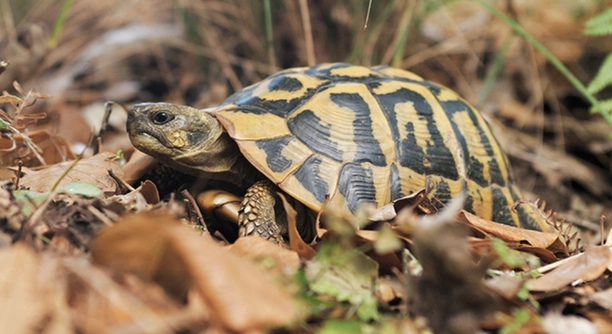
Hermann’s tortoises enjoy outdoor enclosures that mimic their natural habitat. Choosing the right plants is essential for providing them with a nutritious and comfortable environment. This article explores the best plants to grow for your tortoise’s enclosure.
The best plants for Hermann’s tortoises’ outdoor enclosures include a mix of leafy greens, herbs, and flowers. These plants provide vital nutrients and shelter, enhancing your tortoise’s overall health and creating a more natural and stimulating environment for them.
These plants will help create an optimal space for your tortoise while ensuring they have the nutrients they need.
1. Dandelion
Dandelions are one of the most popular plants for Hermann’s tortoises. Their leaves are packed with vitamins A and C, making them a great addition to your tortoise’s diet. Dandelions also provide a natural source of calcium, which is essential for shell and bone health. Not only do tortoises love munching on the leaves, but the flowers are also edible, adding variety to their meals. Dandelions thrive in sunny spots and well-drained soil, so they’re perfect for outdoor enclosures. They grow quickly and spread easily, providing a continuous source of food.
Their fast growth and ability to reseed naturally ensure a steady food supply. You’ll find that dandelions can withstand various weather conditions, making them an ideal low-maintenance plant. Regularly cutting back the leaves helps maintain their growth and ensures your tortoise enjoys fresh greens throughout the year.
Adding dandelions to your tortoise’s outdoor enclosure ensures they have a nutritious and easy-to-grow plant. Keep an eye on their growth to ensure the enclosure remains healthy and well-stocked with these beneficial greens.
2. Clover
Clover is another excellent plant for Hermann’s tortoises. The leaves offer a balanced mix of nutrients, including fiber, calcium, and essential minerals. Its low-growing nature makes it ideal for an enclosure because it doesn’t require much space. Clover also thrives in a variety of soil conditions and is relatively easy to grow. It can spread rapidly, providing a reliable food source for your tortoise.
Not only is clover a nutritious option, but it also attracts pollinators like bees, which can help maintain the natural balance in your tortoise’s outdoor space. The small white and purple flowers also add a pop of color to the enclosure, enhancing its overall look. It’s important to avoid overfeeding clover, as too much can cause digestive issues.
By adding clover, you’re providing your tortoise with a tasty, healthy treat that also benefits the environment around them. It’s simple to grow and requires minimal care while offering great rewards for both your tortoise and the ecosystem.
3. Plantain
Plantain is a hardy, low-maintenance plant that grows well in outdoor enclosures. Its broad leaves provide essential vitamins and minerals, which are beneficial for your Hermann’s tortoise’s health. The leaves are also fibrous, supporting digestion and keeping your tortoise’s system healthy.
Plantain can thrive in a variety of conditions, including poor soil. It grows quickly and can handle moderate foot traffic, making it a great option for a tortoise enclosure. It’s also a perennial plant, so it will return year after year, offering a consistent food source.
The leaves are highly nutritious, but it’s important to ensure they’re fresh and clean before offering them to your tortoise. Older leaves may become tough and less appealing. Regular trimming can help maintain plant health and make it easier for your tortoise to enjoy them.
4. Thyme
Thyme is an excellent herb to grow in your Hermann’s tortoise’s outdoor space. This hardy herb thrives in sunny, well-drained soil and can survive periods of drought. Its fragrant leaves are packed with nutrients and are a tasty addition to your tortoise’s diet.
Not only is thyme great for eating, but it also adds a lovely aroma to the enclosure. It attracts pollinators like bees and butterflies, helping maintain the ecosystem of the outdoor space. Thyme grows in small, bushy clusters that are easy for tortoises to nibble on without damaging the plant.
When growing thyme, make sure the plant has plenty of sunlight. Overwatering can lead to root rot, so it’s important to allow the soil to dry out between waterings. Regular harvesting helps keep the plant healthy and ensures your tortoise has a steady supply of fresh leaves.
5. Nasturtium
Nasturtium is a vibrant and edible plant that thrives in tortoise enclosures. Its leaves and flowers are rich in vitamin C and have a peppery flavor, which can add variety to your tortoise’s diet. The plant grows well in full sun and well-drained soil.
Nasturtiums are fast-growing and easy to maintain, making them ideal for an outdoor space. Both the flowers and leaves are safe for Hermann’s tortoises to eat. The colorful blooms also attract beneficial insects like bees, which help with pollination. It’s best to trim back the plant regularly to promote new growth.
6. Chickweed
Chickweed is a common plant that grows well in various conditions, making it perfect for your tortoise’s enclosure. It is low-growing and provides your tortoise with a nutritious snack. The plant is high in fiber and contains vitamins A, C, and B, which support healthy digestion and overall well-being.
Chickweed is easy to grow and spreads quickly, filling gaps in the enclosure. It’s an ideal addition for a natural food source that doesn’t require much attention. Keep the area well-watered and allow the plant to naturally reseed each year.
7. Mulberry
Mulberry trees are another excellent addition to your tortoise’s outdoor enclosure. The leaves are soft and provide a rich source of nutrition, including vitamins and fiber. Mulberry trees are also beneficial because they offer shade, keeping your tortoise cool during hot weather.
These trees grow quickly and provide a continuous food supply, as tortoises enjoy both the leaves and the fallen fruit. Mulberries are especially helpful in providing variety in your tortoise’s diet. Make sure to keep the tree trimmed to prevent it from getting too large for the enclosure.
FAQ
What plants are toxic to Hermann’s tortoises?
There are several plants that are toxic to Hermann’s tortoises. Some common examples include rhubarb, foxglove, and oleander. These plants contain compounds that can cause digestive issues, poisoning, or even death if consumed. It’s important to be aware of what’s in your tortoise’s enclosure and avoid planting any toxic varieties. Always double-check plant safety before introducing them into your tortoise’s environment to ensure their well-being.
Can I plant grass in my tortoise’s enclosure?
Yes, grass is a great addition to a Hermann’s tortoise’s enclosure. It provides natural grazing and is a good source of fiber for digestion. Grasses like Bermuda, rye, and fescue are safe for tortoises and can be grown easily in an outdoor space. Make sure to choose non-toxic, pesticide-free grass to keep your tortoise safe.
How much of the plants should I give my tortoise to eat?
When offering plants to your Hermann’s tortoise, it’s important to provide a variety of options while maintaining a balanced diet. About 80% of their diet should consist of leafy greens, flowers, and plants. A good rule of thumb is to offer a handful of fresh leaves and flowers each day, making sure to rotate the plants regularly to prevent overfeeding any single type. Keep in mind that overfeeding certain plants, like clover or dandelion, could lead to digestive issues. Variety is key to ensuring proper nutrition.
How often should I water the plants in my tortoise’s enclosure?
The frequency of watering depends on the type of plants in the enclosure and the weather. During hot weather, you’ll likely need to water more frequently to keep the plants hydrated. In cooler months, the water requirement may decrease. Always check the soil to ensure it’s not too dry or too soggy. Most plants in a tortoise’s enclosure should be watered deeply but infrequently, allowing the soil to dry out between watering sessions. This helps prevent root rot and ensures healthy plant growth.
Should I provide extra food for my tortoise outside of plants in the enclosure?
Yes, your Hermann’s tortoise will benefit from extra food outside of what’s in the enclosure. While plants in the enclosure can provide a significant portion of their diet, supplementing with additional leafy greens, vegetables, and even commercial tortoise pellets can help meet their nutritional needs. Offering fresh foods like kale, dandelion greens, and squash can ensure they receive a well-rounded diet with all the necessary vitamins and minerals. Be sure to avoid overfeeding high-oxalate foods like spinach, which can hinder calcium absorption.
Can I use pesticides or fertilizers in my tortoise’s enclosure?
It is highly recommended that you avoid using pesticides or fertilizers in your Hermann’s tortoise’s outdoor enclosure. These chemicals can be harmful to your tortoise and may contaminate the plants. Instead, opt for natural or organic alternatives that are safe for both your tortoise and the environment. If you need to control pests or promote plant growth, choose safe, non-toxic methods like neem oil or introducing beneficial insects that can help maintain a healthy balance.
How do I maintain a healthy balance of plants in my tortoise’s enclosure?
Maintaining a healthy balance of plants involves selecting a variety of plants that provide the right nutrients and growing conditions. Rotating plants and regularly trimming overgrown or dead ones will help keep the enclosure fresh and safe for your tortoise. It’s also essential to keep an eye on the types of plants your tortoise prefers, ensuring they have a diverse range to eat. Removing any weeds or plants that could be invasive will also help maintain the balance of the environment. Healthy soil and proper drainage are key factors in plant growth, so be sure the area stays well-maintained.
How do I deal with pests in the tortoise enclosure?
Pests like ants, snails, or aphids can sometimes invade a tortoise enclosure, especially if the plants are left untreated. To prevent pests, ensure that your enclosure has good drainage and doesn’t stay overly moist. Regularly check the plants for signs of pests and remove them manually if necessary. Introducing natural predators like ladybugs can help control aphids and other harmful insects. If pests become a significant issue, consider using non-toxic treatments, such as neem oil or insecticidal soap, to treat the plants.
How do I prevent overgrazing in my tortoise’s outdoor enclosure?
To prevent overgrazing, it’s important to regularly rotate the plants in the enclosure. Allow some areas to regrow while your tortoise eats from other sections. You can also plant more than one variety of edible plants, so your tortoise has multiple options to graze on without damaging any one plant. Keep an eye on the growth of the plants and make sure there’s always enough food available for your tortoise. Overgrazing can lead to plant depletion and nutritional deficiencies, so balance is key.
Is it necessary to add extra food like fruits to my tortoise’s diet?
Fruits can be given occasionally to add variety to your Hermann’s tortoise’s diet, but they should not make up a large portion of their meals. Fruits are generally high in sugar and can lead to digestive issues or obesity if fed too frequently. It’s best to offer fruits in small amounts as a treat, not as a staple food. Safe fruits for tortoises include strawberries, apples, and melon. Make sure to remove any seeds or pits that could be harmful to your tortoise.
How do I know if my tortoise is eating enough?
To determine if your Hermann’s tortoise is eating enough, observe their behavior and body condition. A healthy tortoise should be active, with a firm, rounded shell. If your tortoise is lethargic, losing weight, or showing signs of dehydration (such as sunken eyes), it could indicate that they are not getting enough food. Ensure they are eating a variety of plants and supplementing their diet with additional greens. Consult with a vet if you are unsure about their dietary needs.
Final Thoughts
Creating the right environment for your Hermann’s tortoise involves more than just providing a safe space; it requires thoughtful consideration of the plants in their outdoor enclosure. Choosing plants that are not only safe but also beneficial for your tortoise’s health is crucial. Providing a variety of edible plants will ensure they get the necessary nutrients to thrive. Leafy greens, flowers, and grasses are all great options to include in the enclosure. Always make sure to research each plant for its safety and nutritional value before introducing it to your tortoise’s habitat.
Maintaining the health of your tortoise’s enclosure also involves regular upkeep. This includes ensuring the plants are well-watered, trimming overgrown plants, and replacing any that have died or are no longer suitable. Regular checks for pests and harmful insects should be part of your routine. A balance of food and grazing areas should be maintained, preventing overgrazing of the plants. By keeping the enclosure clean and healthy, you help your tortoise maintain a balanced diet and a safe environment to roam and graze freely.
In conclusion, a well-thought-out and balanced plant selection can greatly enhance your Hermann’s tortoise’s quality of life. The right plants provide not only nutrition but also stimulation and comfort. Creating a natural, safe environment with a variety of plants will allow your tortoise to live a more enriched life. With the proper care, attention, and knowledge of what plants are best, you can ensure that your tortoise’s outdoor enclosure is a healthy, thriving space for them to enjoy for years to come.

Hello,
If you enjoy the content that we create, please consider saying a "Thank You!" by leaving a tip.
Every little bit helps us continue crafting quality advice that supports the health, happiness, and well-being of pets around the world, for pets of all shapes, sizes, and species.
We really appreciate the kindness and support that you show us!