
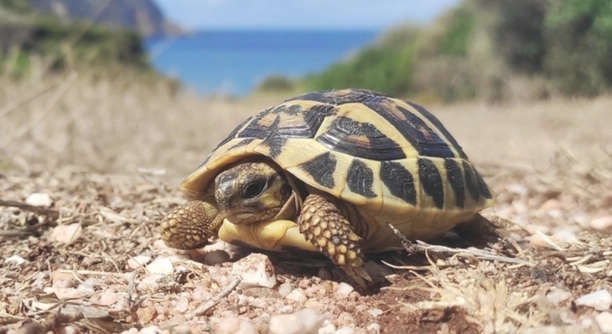
Do you ever find yourself wondering why your Hermann’s tortoise keeps biting your fingers? This behavior can be confusing, especially when your tortoise seems otherwise calm and friendly. Understanding the reasons behind it can help you manage the situation.
Hermann’s tortoises may bite fingers due to mistaking them for food, territorial behavior, or seeking attention. Their strong sense of smell and natural instincts can sometimes lead to unexpected nips, especially if they associate your hands with feeding time.
There is more to this behavior than meets the eye. Learning the key reasons behind your tortoise’s biting habits will help you create a better environment and ensure a more comfortable and safe interaction.
Mistaking Fingers for Food
Hermann’s tortoises rely heavily on their sense of smell when identifying food. If your hands carry the scent of fruits, vegetables, or leafy greens, your tortoise may assume your fingers are edible. This is especially common if you hand-feed them regularly. Over time, they may associate your fingers with feeding time, leading to accidental bites. Brightly colored nail polish can also attract their attention, making them more likely to snap at your hands. Since tortoises are naturally curious, they may test things by biting, especially if they are unsure whether something is food or not.
To prevent this, wash your hands before handling your tortoise, especially after touching food. Avoid hand-feeding too often, as this reinforces the habit of biting fingers. If your tortoise seems overly eager during feeding, use tongs or a dish to create a clear separation between your hands and their food.
By adjusting your feeding routine and limiting direct hand interactions during mealtime, you can reduce the chances of your tortoise mistaking your fingers for food. Consistency is important, as reinforcing good habits will help your tortoise recognize the difference between feeding time and handling.
Territorial Behavior
Hermann’s tortoises can be protective of their space, which may lead to occasional biting.
In the wild, tortoises establish dominance by nudging, pushing, or biting other tortoises. If your tortoise feels threatened or crowded, they might display these same behaviors toward your hands. Males are more likely to act aggressively, especially if they are reaching maturity. However, even females can become territorial in certain situations. Small enclosures or sudden movements can also trigger defensive reactions. If your tortoise perceives your hand as an intruder, they may instinctively try to defend themselves.
Providing a spacious habitat with hiding spots and enrichment can help reduce territorial behavior. Avoid sudden hand movements near their face, as this may startle them. If your tortoise continues biting, consider handling them less frequently to give them time to feel secure. Over time, they may become more comfortable with your presence, leading to calmer interactions.
Seeking Attention
Hermann’s tortoises may bite as a way of getting attention. If they have learned that biting results in a reaction, they may repeat the behavior. This is more common in tortoises that are frequently handled or interact with their owners often.
Tortoises can recognize routines and associate certain actions with attention. If your tortoise bites and you immediately react by talking to them or picking them up, they may see this as a way to get noticed. Some tortoises even develop habits where they nip at fingers when they want food, interaction, or a change in their environment. If they feel bored, they may also engage in exploratory biting out of curiosity.
Avoid reinforcing the behavior by staying calm when bitten. If your tortoise is seeking attention, provide enrichment like new foods, climbing structures, or different textures to explore. This can help redirect their focus and reduce the biting habit.
Stress or Discomfort
Environmental stress can cause a tortoise to become defensive and bite unexpectedly. Changes in their habitat, loud noises, frequent handling, or the presence of other pets can create stress. If a tortoise feels unsafe, they may react by snapping at anything nearby, including your fingers.
A well-maintained habitat with proper temperature, humidity, and hiding spots helps reduce stress. Tortoises need a stable routine, so sudden changes in lighting, noise levels, or handling can cause them to feel uneasy. If biting happens frequently, consider if anything in their environment has changed recently. Observing their body language can also provide clues—if they retract their head, become restless, or avoid interaction, they may be feeling stressed.
Give your tortoise space when needed and allow them to approach you on their terms. Providing a calm, consistent environment will help them feel more secure, leading to better interactions and reduced biting behavior.
Mating Behavior
Male Hermann’s tortoises may bite as part of their natural mating behavior. During courtship, biting is a common way they interact with females. If a male does not have a mate, he may redirect this instinct toward objects, other pets, or even your fingers.
Hormonal changes can make a tortoise more active and persistent in their biting behavior. This is more noticeable during the breeding season when they become more restless. Providing distractions like enrichment activities or allowing them to explore a safe outdoor area can help reduce their fixation on biting.
Lack of Proper Nutrition
A tortoise with nutritional deficiencies may bite due to cravings. If they are lacking essential minerals like calcium, they might attempt to chew on fingers, clothing, or enclosure decorations. Ensuring a well-balanced diet with a variety of leafy greens, vegetables, and calcium supplements can prevent this issue.
How to Respond to Biting
Stay calm and avoid pulling your hand away too quickly if your tortoise bites. Sudden movements can startle them and reinforce the habit. Gently remove your finger and avoid reacting too much, as excessive attention may encourage them to repeat the behavior in the future.
FAQ
Why does my Hermann’s tortoise suddenly start biting when it never did before?
Sudden biting can be caused by changes in their environment, diet, or hormones. If your tortoise recently reached sexual maturity, mating instincts may be influencing their behavior. Stress from a new habitat setup, loud noises, or frequent handling can also make them more defensive. Additionally, if they associate your fingers with food, they may bite expecting a treat. Observe any recent changes and adjust their care routine to reduce stress and reinforce positive behaviors.
Can biting be a sign of illness in Hermann’s tortoises?
While occasional biting is normal, excessive or aggressive biting can indicate discomfort or illness. If your tortoise has nutritional deficiencies, they may chew on fingers or objects to seek missing nutrients. Mouth infections or injuries can also make them more irritable, leading to unexpected bites. If biting is persistent and paired with lethargy, changes in eating habits, or swelling around the mouth, a vet visit is recommended to rule out health concerns.
Do Hermann’s tortoises bite out of aggression?
Hermann’s tortoises are generally docile, but they can bite when feeling threatened or territorial. Males are more prone to aggressive biting, especially if they feel competition from another tortoise. If your tortoise bites when being handled, they may be overstimulated or uncomfortable. Providing a calm, predictable environment can help reduce defensive behavior.
How can I safely handle my tortoise without getting bitten?
Approach your tortoise calmly and avoid sudden hand movements near their face. If they associate your hands with food, use feeding tongs or a dish to create a clear boundary. When picking them up, support their body from underneath rather than reaching from above, as sudden overhead movements can trigger a defensive response. If they are particularly nippy, consider handling them less frequently until they become more comfortable.
Will my tortoise stop biting as it gets older?
Biting tendencies can decrease over time, especially if they are caused by hormonal changes or exploratory behavior. However, if the habit is reinforced—such as through reactions or hand-feeding—it may persist. Providing a stable routine, proper nutrition, and a spacious habitat can encourage calmer interactions as your tortoise matures.
What should I do if my tortoise bites and doesn’t let go?
Stay calm and avoid pulling your hand away forcefully, as this can cause injury to both you and the tortoise. Instead, gently support their body and use a slow, steady motion to remove your finger. If needed, running lukewarm water over their mouth may encourage them to release their grip. Once free, avoid reacting dramatically, as this could reinforce the behavior.
Can I train my Hermann’s tortoise to stop biting?
While tortoises do not respond to training like dogs or cats, they can learn through repetition and routine. Avoid hand-feeding, reinforce positive interactions, and provide distractions like toys or climbing structures. Over time, they will associate your presence with more than just food, reducing the likelihood of biting.
Are some Hermann’s tortoises naturally more prone to biting than others?
Each tortoise has its own personality, and some may be more curious or assertive than others. Males tend to bite more due to territorial and mating behaviors, while younger tortoises may bite out of curiosity. Understanding their individual tendencies can help you adjust your interactions to prevent unnecessary nipping.
Is biting ever a sign of affection in tortoises?
Unlike some pets that nibble gently as a sign of bonding, tortoises do not express affection through biting. If they bite, it is usually due to food association, stress, or instinct. Positive interactions, such as allowing them to explore near you or gently petting their shell, are better ways to bond with your tortoise.
Final Thoughts
Hermann’s tortoises may bite for different reasons, including mistaking fingers for food, seeking attention, territorial instincts, stress, or hormonal changes. Understanding the cause of this behavior can help you take the right steps to prevent it. Simple adjustments like washing your hands before handling, avoiding hand-feeding, and creating a comfortable environment can make a big difference. If biting happens suddenly, consider whether something has changed in their routine, diet, or surroundings. Being patient and consistent will help your tortoise feel more secure, leading to calmer interactions over time.
While biting can be frustrating, it is usually not a sign of aggression. Tortoises rely on instinct and may not realize they are hurting you. If your tortoise bites frequently, observe their behavior and make changes as needed. Offering distractions, enrichment, and a well-balanced diet can reduce unwanted biting. If you suspect illness or discomfort, a visit to a reptile veterinarian can rule out any underlying health issues. It is also important to respect your tortoise’s space and allow them to interact with you on their terms.
By understanding their natural behaviors and providing a stable, enriching environment, you can build a better relationship with your tortoise. Biting is often a temporary issue that improves with time, patience, and proper care. Learning to read their body language and responding calmly will help create a more enjoyable experience for both you and your tortoise. With the right approach, you can encourage positive interactions and ensure a happy, stress-free life for your pet.

Hello,
If you enjoy the content that we create, please consider saying a "Thank You!" by leaving a tip.
Every little bit helps us continue crafting quality advice that supports the health, happiness, and well-being of pets around the world, for pets of all shapes, sizes, and species.
We really appreciate the kindness and support that you show us!