
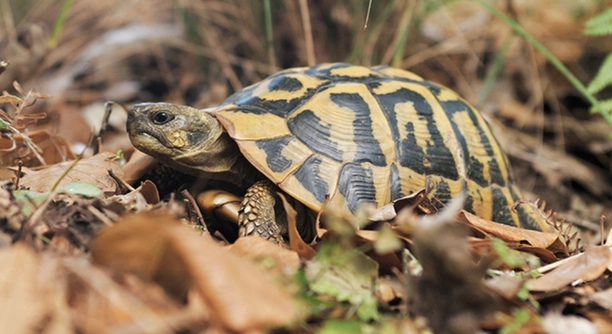
Hermann’s tortoises are known for their unique behaviors, and sometimes their sleeping patterns can leave you wondering. If your tortoise isn’t closing its eyes while resting, it could be due to various reasons that are easy to understand.
The most common reason your Hermann’s tortoise may not be closing its eyes when sleeping is that it is simply not a behavior seen in all tortoises. Some tortoises can sleep with their eyes open without any issues, as it is part of their natural behavior.
Understanding why this occurs helps you ensure your tortoise is healthy and comfortable in its environment.
Why Some Tortoises Sleep With Their Eyes Open
Hermann’s tortoises, like other reptiles, can sleep with their eyes open, and this is quite normal. Unlike mammals, which close their eyes for sleep to protect their vision, tortoises don’t always follow the same pattern. Their eyelids are designed differently and may not fully cover their eyes while they rest. This behavior isn’t a sign of distress or health problems. It could simply be a way of staying alert in the wild, ready to react to potential threats. Tortoises are naturally cautious, and keeping their eyes open while resting might help them stay aware of their surroundings. Even though they may appear to be sleeping, they can still sense movement or changes in their environment, allowing them to react if necessary.
This doesn’t necessarily mean something is wrong. It’s important to observe their overall health, but eye-opening during sleep can simply be a natural trait.
If your tortoise has been consistently healthy and active, this behavior is likely just part of who they are. You don’t need to worry unless you see other signs of illness like lethargy, loss of appetite, or abnormal behavior.
Is There Any Reason to Be Concerned?
While it’s not alarming to see a tortoise sleep with its eyes open, there are a few things you can keep an eye out for. Sometimes, an open-eye sleep pattern can be linked to environmental factors.
If your tortoise is not closing its eyes during sleep and appears to be overly stressed or sick, this could indicate a problem. Stressors such as temperature fluctuations, incorrect lighting, or improper humidity can cause your tortoise to feel uneasy. An environment that’s too cold or hot can disrupt their rest, leading to more alertness. Poor lighting or a lack of UVB exposure can also make them feel less secure. When tortoises are stressed, they might not sleep properly or close their eyes during rest, staying more vigilant than usual.
In such cases, it’s important to evaluate their living space. Ensure they have the proper conditions: a stable temperature range (usually around 75–85°F during the day), proper UVB light for 10–12 hours, and a humidity level suited to their species. Improving their habitat can make a big difference in their overall well-being. If you notice other signs of distress or poor health, it may be best to consult a reptile veterinarian.
Tortoise Eye Issues and What They Could Mean
Sometimes, an inability to close eyes while sleeping can be a sign of an eye problem. If your tortoise is keeping its eyes open all the time, it could be dealing with eye irritation or infection.
Infections or injuries to the eye can prevent it from closing properly. If there’s discharge, swelling, or excessive blinking, it could indicate an eye issue. Some tortoises also suffer from dehydration, which can cause their eyes to dry out. Dehydration, often linked to an improper diet or humidity levels, can lead to difficulties in closing their eyes. If any of these symptoms are present, it’s important to address them promptly by adjusting the habitat conditions and, if necessary, visiting a vet.
Keeping your tortoise hydrated with fresh water and providing a humid environment may help prevent these issues. Make sure to regularly check for any unusual signs, such as the eyes becoming cloudy, to avoid long-term health problems.
Providing the Right Habitat for Your Tortoise
The proper habitat is essential for your tortoise’s well-being. If their environment isn’t quite right, they might not feel relaxed enough to close their eyes while resting.
Start by adjusting the temperature and humidity levels to meet the needs of your specific tortoise species. Hermann’s tortoises need a daytime temperature between 75–85°F and a basking spot of about 90°F. At night, the temperature should drop to around 70°F. Too much heat or too little can stress them out, making it difficult for them to sleep properly. You should also consider providing a humid hide or area where they can retreat if they need moisture. Maintaining these factors can help ensure your tortoise feels comfortable enough to rest without keeping its eyes wide open all the time.
Stress and Anxiety in Tortoises
Stress can cause your tortoise to stay alert and not close its eyes during sleep. Changes in routine or environment may lead to discomfort.
If your tortoise is exposed to loud noises, frequent handling, or constant movement, it may not feel safe enough to rest properly. Stress can also result from living with other animals, especially if they’re in close quarters or if there’s aggression. The more stressed your tortoise becomes, the more it will likely keep its eyes open, even when it should be sleeping.
Diet and Health Concerns
Diet plays a significant role in your tortoise’s health. An inadequate or imbalanced diet can cause dehydration and other issues.
Hermann’s tortoises need a diet rich in fiber, with a mix of leafy greens, vegetables, and limited fruits. A poor diet can lead to dehydration, which might prevent their eyes from closing properly while sleeping. Make sure your tortoise always has access to clean water and avoid feeding them too many foods high in sugar or fat. Regularly providing a balanced diet helps prevent eye-related issues and promotes better sleep habits.
The Role of Lighting in Sleep Patterns
Proper lighting is essential for regulating your tortoise’s sleep patterns. Without the right light, your tortoise might stay more alert.
UVB lighting plays a critical role in your tortoise’s overall health. It helps regulate their circadian rhythm, which is crucial for proper rest. Ensure your tortoise has exposure to UVB light for about 10-12 hours a day. A lack of proper lighting can disrupt their sleep cycle, leading to abnormal behavior like keeping their eyes open while resting. Consider using a timer to provide consistent light and darkness each day.
FAQ
Why is my Hermann’s tortoise always awake and not closing its eyes?
If your tortoise isn’t closing its eyes while sleeping, it may simply be because some tortoises naturally keep their eyes open. This can be a survival trait, allowing them to stay alert for predators. As long as your tortoise is active and healthy, this behavior is likely normal. However, if you notice other signs of distress, such as eye discharge or unusual lethargy, it could indicate an underlying issue that needs attention, like dehydration or an eye infection.
Can I do anything to help my tortoise sleep better?
Yes, providing the proper environment is key to helping your tortoise rest. Make sure the temperature and humidity levels are appropriate for your tortoise’s species. Hermann’s tortoises, for example, prefer a temperature range of 75–85°F during the day with a basking spot of around 90°F. A nighttime temperature drop to 70°F is also important. A stable environment will reduce stress and encourage better sleep habits.
Is it normal for a tortoise to keep its eyes open all the time?
In some cases, it’s normal for a tortoise to keep its eyes open, especially when it is sleeping or resting. This could simply be a part of their natural behavior. Tortoises, being cautious animals, may stay alert to potential threats. However, if they are not closing their eyes due to discomfort or an eye issue, it’s worth investigating further. Look for signs of irritation, such as swollen or cloudy eyes, or excessive blinking, which could indicate an eye infection or other health concern.
Could my tortoise be stressed? How can I tell?
Stress in tortoises can manifest in various ways. If your tortoise is consistently keeping its eyes open, it might be due to stress. Other signs of stress include hiding more than usual, lack of appetite, or constantly pacing. Stress can also be caused by environmental factors like loud noises, frequent handling, or improper living conditions. Try to create a calm, stable environment for your tortoise, with plenty of hiding spots, appropriate temperatures, and UVB lighting.
How important is UVB lighting for my tortoise?
UVB lighting is essential for tortoises, especially those kept indoors, as it helps them synthesize vitamin D3, which is needed for calcium absorption. Without UVB, your tortoise may develop metabolic bone disease or suffer from weakened bones. Providing UVB lighting for 10–12 hours a day is necessary for their overall health and to help regulate their sleep patterns. Ensure the light is positioned correctly and replace it every six months, as UVB bulbs lose their effectiveness over time.
Should I be concerned if my tortoise’s eyes look cloudy or watery?
Cloudy or watery eyes could be a sign of an eye infection or irritation. If you notice discharge, swelling, or redness around the eyes, it’s important to assess your tortoise’s health and environment. Make sure the humidity levels are appropriate, and that there is no excessive dirt or foreign material around the eyes. If the symptoms persist or worsen, it may be a good idea to visit a reptile vet to rule out infections or other health concerns.
What should I feed my tortoise to keep its eyes healthy?
A well-balanced diet is essential for your tortoise’s health, including the health of their eyes. Hermann’s tortoises, for example, should be fed a variety of leafy greens like dandelion, collard greens, and mustard greens, along with occasional vegetables and limited fruit. This diet provides the necessary nutrients, including vitamins A and C, which support eye health. Avoid feeding your tortoise foods high in sugar or fat, as this can lead to obesity and other health problems. Additionally, always provide fresh, clean water to keep them hydrated.
How can I tell if my tortoise is dehydrated?
Dehydration in tortoises can sometimes be tricky to spot. Signs of dehydration include sunken eyes, dry or wrinkled skin, and a lack of interest in food or water. If your tortoise’s eyes aren’t closing during sleep, dehydration could be a contributing factor. Ensure your tortoise has constant access to fresh water and that the humidity levels in its enclosure are appropriate. Soaking your tortoise in lukewarm water for 20-30 minutes a couple of times a week can also help prevent dehydration.
Is it safe to handle my tortoise while it is sleeping?
It’s best to avoid handling your tortoise while it is sleeping or resting. Tortoises are naturally wary animals and may become stressed if they are disturbed. Handling them during sleep can interrupt their rest and cause them to feel unsafe. Allow your tortoise to wake up on its own and interact with it when it is more alert and active. Creating a peaceful environment for your tortoise will help reduce stress and improve its overall well-being.
Can temperature changes affect my tortoise’s sleep habits?
Yes, temperature fluctuations can impact your tortoise’s sleep habits. If your tortoise is exposed to temperatures that are too hot or too cold, it may become stressed or uncomfortable, leading to restlessness. Hermann’s tortoises, for example, need a daytime temperature range of 75-85°F, with a basking spot around 90°F. At night, the temperature should be around 70°F. Make sure to maintain a consistent temperature to help your tortoise feel secure and rest properly.
Final Thoughts
It’s common for Hermann’s tortoises to sleep with their eyes open, and in most cases, this behavior isn’t something to worry about. These tortoises have natural instincts that make them stay alert, even during rest. Unlike mammals, who typically close their eyes for protection while they sleep, tortoises may leave their eyes open as a way to stay aware of their surroundings. As long as your tortoise seems healthy, eating well, and active during the day, there’s no need for concern.
However, it’s essential to keep an eye out for other signs of health problems. If your tortoise is consistently keeping its eyes open and you notice additional symptoms like discharge, swelling, or cloudiness in the eyes, it could indicate an infection or irritation. Other issues like dehydration or stress may also cause abnormal eye behavior. In these cases, it’s important to review their habitat and diet. Ensuring that your tortoise has access to proper lighting, humidity, and temperature can make a big difference in its comfort and sleep habits.
In the end, understanding your tortoise’s natural behaviors is key to caring for it properly. As long as you are mindful of its needs and monitor for any concerning changes, you can help ensure your tortoise stays happy and healthy. By creating the right environment and providing a balanced diet, you can help support its overall well-being and enjoy watching it thrive.

Hello,
If you enjoy the content that we create, please consider saying a "Thank You!" by leaving a tip.
Every little bit helps us continue crafting quality advice that supports the health, happiness, and well-being of pets around the world, for pets of all shapes, sizes, and species.
We really appreciate the kindness and support that you show us!