
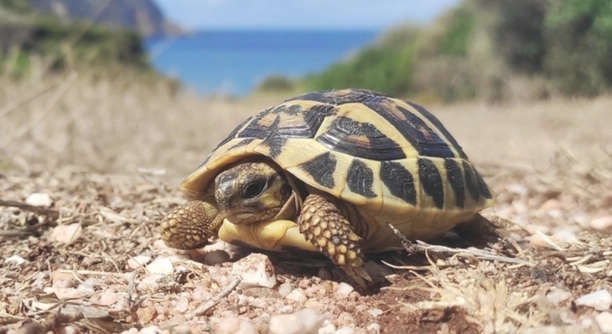
Hermann’s tortoises are known for their distinct behaviors, but sometimes their actions can leave owners puzzled. One common behavior is foot-stomping, which can be confusing and concerning if you’re unsure why it’s happening.
Foot-stomping in Hermann’s tortoises is often a sign of territorial behavior or mating instincts. They may stomp their feet to assert dominance or attract a mate. This is a normal behavior, though it can vary with age and environment.
Understanding these behaviors can help ensure your tortoise’s well-being. We’ll explore what might be causing the stomping and how you can respond to your tortoise’s needs.
Understanding Foot-Stomping in Hermann’s Tortoises
Foot-stomping is a fairly common behavior for Hermann’s tortoises, but it can feel puzzling if you’re not sure what’s behind it. This action is often linked to either territorial behavior or mating instincts. When a tortoise stamps its feet, it’s usually trying to establish its space, or sometimes it’s expressing a desire to find a mate. This type of foot-stomping typically happens more often in males, especially during breeding seasons. Understanding this behavior is key to knowing how to care for your tortoise, as it may show signs of dominance or excitement. It can be louder and more frequent depending on environmental changes, like the presence of other tortoises or a shift in temperature. However, it’s important to remember that this is a normal part of their behavior. Monitoring how often it occurs and in what situations can help you assess if there’s an underlying issue.
Foot-stomping is generally harmless but can be influenced by changes in the tortoise’s environment. Keep an eye on the frequency of this behavior, especially when introducing new factors like other animals.
In some cases, this behavior can also be linked to stress. If your tortoise feels unsettled, whether from a new enclosure or noisy surroundings, it may start stomping its feet as a reaction to its discomfort. It’s important to ensure your tortoise has a stable environment with enough space and a secure home. Avoiding overcrowding or excessive handling will help keep your tortoise calm and reduce stress-related foot-stomping. When this behavior continues or becomes more frequent, it could indicate that your tortoise is trying to communicate its needs, so it’s essential to pay attention and make adjustments as needed. Checking the temperature and humidity levels in its habitat also plays a huge part in keeping your tortoise comfortable.
How to Respond to Stomping Behavior
If the foot-stomping seems excessive, consider adjusting your tortoise’s environment. Ensure its space is free of stressors that could trigger this behavior. Sometimes simply offering more room or a quieter area can help.
By monitoring your tortoise’s habits and adjusting its environment, you can ensure it remains content. It’s a good idea to offer a variety of stimuli, such as enrichment in its habitat, to keep it mentally engaged.
Territorial Behavior and Stomping
Territorial behavior is a natural part of a Hermann’s tortoise’s instincts. Foot-stomping is a way for them to claim their space, especially when they feel another tortoise or animal might be intruding. Males are particularly prone to this behavior when competing for territory. It’s common to see more stomping during the mating season when males assert dominance over one another. Even if your tortoise is the only one in its enclosure, territorial instincts can still cause stomping as it marks its area.
If your tortoise stomps its feet frequently when no other animals are present, it may be showing its territorial instincts. Providing clear boundaries within the enclosure can help. You might notice that your tortoise becomes agitated if another animal is too close or if its space is invaded. Make sure there are plenty of hiding spots and shelters to allow your tortoise to feel secure. If you have multiple tortoises, consider providing separate spaces to reduce the chances of territorial disputes.
Understanding territorial behavior is vital in managing the stomping. You can minimize stress and reduce stomping by ensuring your tortoise feels it has control over its space. Territorial disputes usually calm down with proper care and separation of enclosures, allowing each tortoise to feel secure in its own environment. When their space is respected, your tortoise will likely feel more comfortable and reduce excessive stomping behavior.
Mating Behavior and Stomping
Mating behavior can also cause foot-stomping. During mating season, males often stomp their feet to attract females or challenge other males. The stomping can be accompanied by other mating rituals, such as circling or making specific sounds. This behavior is more common in males, who tend to be more vocal and active during this time. They will stomp to express their desire to mate or show their dominance over other males.
If you notice your tortoise is stomping around more during certain times of the year, it might be because it’s mating season. In the wild, tortoises naturally have a breeding period, and that instinct remains in captivity. When a male sees a female, he might stomp to get her attention or show he’s ready to mate. Although this behavior may be more prominent during breeding, even in captivity, it can still happen outside of mating seasons. Recognizing the signs of mating behavior will help you understand why your tortoise is acting this way.
If you don’t plan to breed your tortoises, consider separating males from females or adjusting their environment to minimize mating-related behaviors. Males may continue stomping even without a female around, so adjusting their living space or increasing environmental stimulation can help curb this behavior. Keeping your tortoise mentally and physically stimulated with proper enrichment can reduce mating behaviors outside the breeding season.
Stress and Stomping
Stress can lead to foot-stomping in Hermann’s tortoises. If they feel threatened, anxious, or out of place, they may express their discomfort through this behavior. Changes in their environment, loud noises, or new animals can cause this reaction. A stressed tortoise may stomp its feet repeatedly, signaling distress.
Environmental changes such as moving their enclosure or adding new animals can increase stress levels. Make sure your tortoise has a consistent environment and minimal disruptions. If you notice the stomping increases after a change, it could be due to stress. Reducing noise and offering hiding spots will help.
When your tortoise feels stressed, it can impact its overall health. Providing a stable, quiet environment will not only reduce stomping but also prevent other stress-related behaviors. This will keep your tortoise calm and comfortable, allowing it to thrive without unnecessary agitation.
Mismatched Habitat Conditions
Improper habitat conditions can lead to foot-stomping. If the temperature or humidity in the enclosure is off, your tortoise may react by stomping its feet. Hermann’s tortoises need a carefully controlled environment to feel comfortable and healthy.
The right temperature and humidity levels are essential for keeping your tortoise calm. Too hot or too cold of an enclosure can cause discomfort, leading to stomping. Similarly, insufficient humidity can cause irritation, as tortoises rely on the right moisture levels to maintain proper hydration and overall well-being.
FAQ
Why does my tortoise stomp its feet?
Foot-stomping in Hermann’s tortoises typically happens for a few reasons. It can be a sign of territorial behavior, where the tortoise feels the need to assert control over its environment. Stomping is also common during the mating season, especially in males who are trying to attract females or challenge other males. Additionally, foot-stomping can be a reaction to stress or discomfort, especially if the tortoise’s habitat is not ideal, such as incorrect temperature, humidity, or other environmental factors.
Is foot-stomping normal in Hermann’s tortoises?
Yes, foot-stomping is a normal behavior for Hermann’s tortoises. It’s often tied to their natural instincts, like marking territory or responding to mating signals. While it may seem odd, it’s generally a harmless expression of their needs or emotions. However, if it becomes excessive or is accompanied by other signs of distress, it may indicate something is wrong with their environment or health.
How can I tell if my tortoise is stressed?
In addition to foot-stomping, there are other signs of stress in tortoises. These can include erratic movements, loss of appetite, or excessive hiding. If your tortoise is not interacting with its environment or seems to be in a state of constant retreat, these can be indicators of stress. Make sure the enclosure is the right size, free from noise, and that the tortoise has places to retreat to if it feels threatened.
Does foot-stomping mean my tortoise is sick?
Not necessarily. Foot-stomping is more likely related to territorial or mating behaviors. However, if stomping is accompanied by signs of illness—such as lethargy, loss of appetite, or difficulty moving—it could be a sign that your tortoise is unwell. If you notice these symptoms alongside frequent stomping, it’s best to consult a vet to rule out any health issues.
Can foot-stomping be a sign of boredom?
Yes, tortoises can sometimes stomp their feet out of boredom, especially if they’re not provided with enough stimulation. Tortoises are intelligent creatures, and when they’re not mentally engaged, they may express frustration through behaviors like foot-stomping. Adding enrichment to their environment, such as hiding spots, new objects to explore, or even companion tortoises, can help keep them entertained and reduce boredom.
How do I reduce foot-stomping behavior in my tortoise?
To reduce foot-stomping, first ensure that your tortoise’s environment is ideal. This means providing the correct temperature, humidity, and enough space for it to feel secure. You should also limit any stressors, like loud noises or overcrowding. If your tortoise is in a breeding season, separating males and females may reduce mating-related stomping. Regular handling and mental enrichment can also help. If the behavior persists, consult with a veterinarian to rule out any underlying health concerns.
Can my tortoise’s foot-stomping affect my other pets?
Yes, in some cases, foot-stomping can be disruptive to other pets. If your tortoise is stomping because it’s stressed or territorial, it may display aggressive behavior towards other animals in the household. If you have other pets, like dogs or other reptiles, make sure the tortoise has its own space where it feels safe and undisturbed. Additionally, the noise from stomping may also upset other pets, so creating a calm, quiet environment can benefit everyone.
Does foot-stomping mean my tortoise is happy?
Foot-stomping is not necessarily an indication of happiness. While it’s a natural behavior, it’s often linked to instincts like territoriality or mating rather than a sign of contentment. If your tortoise is stomping its feet, it might be feeling stressed, eager to mate, or asserting dominance. Pay attention to other signs of happiness, such as active exploration, eating, and interacting with its environment. If those behaviors are present along with foot-stomping, it’s more likely that your tortoise is in a healthy and comfortable state.
How often should I expect foot-stomping from my tortoise?
Foot-stomping is not something that should happen constantly. Occasional stomping, especially during mating seasons or when asserting territory, is normal. However, if it’s happening regularly outside of these times or in response to stress, it may be worth looking into the tortoise’s habitat or overall health. It’s important to monitor how often it happens and ensure that the tortoise feels secure and comfortable.
Should I separate my tortoises if they are stomping?
If the stomping is related to territorial disputes or mating behavior, separating your tortoises may help. Males often stomp to assert dominance or attract females, which can lead to conflict. By offering each tortoise its own space, you can reduce the likelihood of these behaviors escalating. If you notice ongoing issues, such as constant aggression or stress between your tortoises, it may be beneficial to keep them in separate enclosures.
Is there a way to stop my tortoise from stomping during mating season?
While you can’t entirely stop a tortoise from stomping during mating season, you can reduce the frequency by managing the environment. For instance, separating males from females can decrease mating-related behavior. Additionally, increasing mental and physical stimulation can help distract your tortoise and redirect its focus from mating instincts. Keep in mind, some stomping may still occur naturally as part of the mating process.
Can I train my tortoise to stop stomping?
Training a tortoise to stop stomping is difficult, as it’s a natural behavior tied to instincts. However, you can manage and minimize the behavior by creating a calm and stable environment. Avoid overwhelming your tortoise with stressors, and ensure that its habitat is comfortable. Positive reinforcement, like offering food or attention when the tortoise is calm, can help encourage peaceful behavior.
Final Thoughts
Foot-stomping in Hermann’s tortoises is a natural behavior that can be caused by several factors. Whether it’s due to territorial instincts, mating behavior, or stress, it’s important to recognize that this action is part of your tortoise’s way of communicating its needs. Most of the time, it’s harmless, but it can sometimes indicate that something is off in its environment. Being attentive to changes in behavior, the living conditions, and the overall health of your tortoise can help you address this issue effectively.
If your tortoise is stomping its feet, start by looking at its living space. Make sure it has enough room to move around freely and that the temperature and humidity are within the appropriate range. Adding hiding spots and enriching the environment can make a big difference in reducing stress-related behaviors like stomping. If you have multiple tortoises, consider separating them to avoid territorial disputes. Also, keep in mind that male tortoises are more likely to stomp during mating seasons, so if you’re keeping both males and females, you may see this behavior more frequently during those times. Understanding these factors will help you better understand why the stomping happens and how you can help your tortoise feel more secure.
Ultimately, foot-stomping is a normal behavior, but if it becomes excessive or is paired with other signs of distress, it may be time to reassess your tortoise’s care. Monitor their overall health, environment, and any changes that might be triggering this behavior. If you feel concerned or notice other symptoms, consulting a vet will ensure your tortoise stays healthy. By paying close attention to these details, you can help your Hermann’s tortoise live comfortably and happily, reducing unnecessary stress and ensuring its well-being for years to come.

Hello,
If you enjoy the content that we create, please consider saying a "Thank You!" by leaving a tip.
Every little bit helps us continue crafting quality advice that supports the health, happiness, and well-being of pets around the world, for pets of all shapes, sizes, and species.
We really appreciate the kindness and support that you show us!