
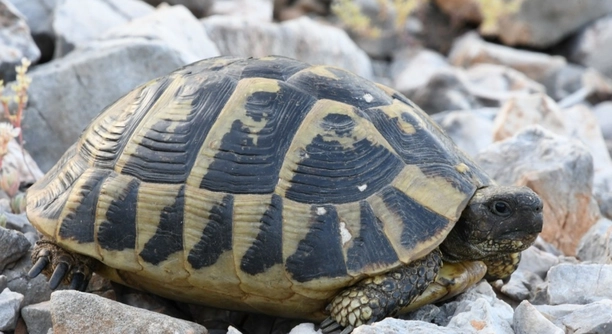
Hermann’s tortoises are known for their curiosity and natural digging behavior. Understanding how to encourage this instinct is important for their well-being. This article provides practical tips to help you nurture their digging tendencies.
Encouraging natural digging behavior in Hermann’s tortoises can be achieved by providing an appropriate substrate, space to explore, and enrichment activities. Adding hiding spots, moisture, and a varied environment allows the tortoises to engage in instinctual behaviors.
These tips will help create a more stimulating environment for your tortoise, promoting their natural instincts and overall health. Keep reading to learn more about how to apply these ideas.
Provide a Suitable Substrate
The substrate you choose for your Hermann’s tortoise plays a key role in encouraging their natural digging behavior. Tortoises need a surface that allows them to burrow and dig easily. A mixture of soil, sand, and organic matter provides a soft but firm texture for digging. A deep layer of substrate is necessary for them to engage in their natural instinct to dig, search for food, and create burrows for safety. Ensure the substrate is kept dry but slightly moist to maintain proper humidity levels. Be cautious about using substrates like wood chips or gravel, as they are not ideal for digging.
The substrate’s depth and texture can mimic the conditions tortoises would naturally encounter in the wild. A thicker substrate also prevents them from reaching the bottom too quickly.
Creating a suitable environment with the right substrate ensures the tortoise can engage in instinctive digging and maintain physical health. Consider adding layers that allow them to burrow comfortably, enhancing their overall well-being and creating a more stimulating habitat.
Create Hiding Spots and Enrichment
Tortoises thrive when their environment provides them with places to hide and explore. Adding hiding spots like rocks, logs, or plants allows them to feel safe and secure. Natural hiding places also encourage digging as they search for shelter.
A mix of various objects, like branches and flat rocks, will give the tortoise both physical and mental stimulation. These elements mimic their wild habitats, where they would naturally seek out areas to dig and hide. Engaging them this way will keep their minds and bodies active, allowing them to act out their instincts.
Offer Ample Space to Explore
A larger enclosure allows Hermann’s tortoises to move freely and dig as they would naturally. A cramped space can limit their ability to engage in this essential behavior. They need room to roam, burrow, and investigate. Aim for a spacious habitat with room for both vertical and horizontal exploration.
In an enclosure, provide different levels with ramps or rocks to climb. A mix of open areas and sheltered spots will encourage them to dig while also allowing them to rest in secure spots. Space to move also helps reduce stress, keeping them physically and mentally healthy.
It’s important to remember that tortoises naturally roam large areas in the wild. Offering ample space in their habitat will replicate their natural environment and encourage behaviors like digging. A spacious enclosure with varied terrain promotes overall well-being, reducing the risk of boredom and inactivity.
Maintain Proper Humidity Levels
Humidity levels are crucial for encouraging natural digging behavior in Hermann’s tortoises. A slightly moist environment, similar to their natural habitat, encourages digging and burrowing. Too much moisture, however, can cause issues like mold or bacteria growth, so it’s important to find the right balance.
Use a spray bottle to lightly mist the substrate every few days or invest in a humidifier. Monitoring humidity levels ensures that the environment stays comfortable for your tortoise, giving them the right conditions to dig and burrow. This moisture also helps with their digestion and general health.
Maintaining proper humidity also aids in shedding, as tortoises naturally dig in moist environments to regulate their body temperature. The right balance of moisture keeps their skin healthy and helps create a comfortable space for them to engage in their natural instincts.
Use Natural Objects for Stimulation
Adding natural elements like leaves, small branches, or stones can stimulate your tortoise’s digging behavior. These objects help mimic their wild environment and give them more to explore. Tortoises naturally dig around objects they encounter, helping keep them active and engaged.
Consider placing rocks or logs that are both safe and stimulating. Avoid sharp or overly large items that might cause injury. Adding these objects will help create a more dynamic habitat and encourage digging, as tortoises love to investigate and interact with their surroundings.
Provide Opportunities for Temperature Regulation
Temperature plays a key role in your tortoise’s behavior. In the wild, they dig to regulate their body temperature by finding cooler or warmer spots. In captivity, make sure there are areas of both warmth and coolness for them to explore.
A basking light creates a warm area, while cooler corners allow them to self-regulate. Tortoises naturally dig to bury themselves for warmth or shade, and providing temperature variation encourages them to act out these behaviors. Creating such an environment supports their instincts and overall well-being.
Offer a Balanced Diet
A balanced diet is essential for encouraging healthy digging behavior in Hermann’s tortoises. A diet rich in fiber, greens, and some fruit can keep them energized and active. A well-fed tortoise will be more inclined to explore their environment and dig.
Overfeeding should be avoided, as it can lead to inactivity. Healthy digestion and a varied diet promote overall health, encouraging the tortoise to remain active and engaged. This, in turn, can stimulate more natural behaviors, such as digging and searching for food.
FAQ
Why does my Hermann’s tortoise dig?
Digging is a natural behavior for Hermann’s tortoises. In the wild, they dig to create shelter, search for food, and regulate their body temperature. Digging also provides mental stimulation, helping them stay active and healthy. Encouraging this behavior is important as it mimics their natural instincts, leading to better overall well-being.
How deep should the substrate be for digging?
A substrate depth of at least 4 to 6 inches is ideal for Hermann’s tortoises. This gives them enough room to dig comfortably and simulate burrowing. A deeper substrate allows them to engage in their natural behavior, such as creating small burrows or digging for food, which promotes both physical and mental health.
Can too much digging harm my tortoise?
In general, digging is a healthy behavior. However, if a tortoise is excessively digging and not eating or drinking properly, it could indicate stress or health issues. It’s important to ensure the environment is suitable, with enough space and enrichment. Regularly monitor your tortoise’s behavior to ensure they are not overexerting themselves.
How can I stop my tortoise from digging too much?
If you notice your tortoise digging excessively, the first step is to check its habitat. Ensure the enclosure is large enough and contains appropriate enrichment. Check the substrate’s depth and humidity levels, as tortoises dig more if the conditions aren’t right. Stress factors such as temperature changes or insufficient hiding spots could also contribute to this behavior.
Is it okay for my tortoise to dig outside?
Yes, if the weather and environment are suitable, tortoises can dig outside. However, outdoor digging should be supervised to ensure safety from predators or harsh conditions. Additionally, make sure the outdoor space has an appropriate substrate and hiding spots to mimic their natural environment, allowing them to engage in their instinctual digging behavior.
Do Hermann’s tortoises dig to sleep?
Yes, Hermann’s tortoises often dig to create a cozy, secure spot for rest or sleep. In the wild, they might dig to find shelter from predators or extreme weather. Offering an environment with hiding places and appropriate digging space allows them to create a safe resting area within their enclosure.
How do I ensure the right humidity for digging?
Maintaining proper humidity is crucial for encouraging natural digging behavior. Use a hygrometer to measure humidity levels in the enclosure, aiming for about 50-60% humidity. Light misting or using a humidifier can help maintain the right moisture levels in the substrate. Proper humidity prevents the substrate from drying out and allows the tortoise to dig comfortably.
Can I use artificial plants for hiding spots?
Artificial plants can be used as hiding spots, but they should be free of sharp edges or harmful chemicals. While real plants are preferable due to their natural benefits, artificial plants can serve as an additional option if kept safe. Ensure the plants are securely placed to avoid them tipping over when the tortoise digs around them.
How often should I change the substrate?
Changing the substrate depends on the materials used. If you’re using soil or sand, it’s important to clean and replace it regularly to prevent bacteria buildup. Generally, it’s a good idea to change the substrate every 3 to 6 months, or sooner if it becomes too soiled. This helps maintain a healthy environment for digging and overall well-being.
Do Hermann’s tortoises need access to water when digging?
Yes, water is important, even when your tortoise is digging. A shallow water dish should always be available for drinking and soaking. Tortoises dig and burrow in part to find moisture or regulate their body temperature, so it’s essential to provide easy access to clean water at all times to promote healthy behavior.
Can I provide digging toys for my tortoise?
While tortoises enjoy digging in natural substrates, digging toys can be an additional enrichment option. Try placing small piles of leaves, branches, or safe natural materials that they can dig through. These toys mimic the textures and experiences they would encounter in the wild, making the activity more engaging and encouraging natural digging behavior.
Final Thoughts
Encouraging natural digging behavior in Hermann’s tortoises is essential for their well-being. Tortoises, especially Hermann’s, are creatures of habit, and they thrive in environments that allow them to express their natural instincts. Digging is one of the most common and healthy behaviors that they exhibit. It allows them to explore their environment, regulate their temperature, and maintain their physical and mental health. By providing them with the right conditions, such as the appropriate substrate, temperature variations, and natural elements to explore, you can help support their instincts and keep them active.
It is important to understand that digging is not a sign of stress or misbehavior unless it becomes excessive or abnormal. If your tortoise is digging more than usual, it may be trying to create a shelter or look for something in its environment. However, if it seems to be digging obsessively or shows signs of other distress, such as loss of appetite or lethargy, you may need to reassess its habitat. Stress, improper temperature, and inadequate space can lead to unwanted behaviors, so it’s crucial to create a balanced, enriching environment that encourages healthy digging.
Incorporating natural elements like branches, rocks, and leaves into your tortoise’s space can significantly enhance its overall quality of life. These elements give your tortoise something to explore and interact with, making its environment more stimulating. While digging should always be seen as a positive behavior, understanding its role in your tortoise’s health will allow you to ensure that it’s happening in a safe, suitable, and balanced way. With the right care, Hermann’s tortoises can lead happy, healthy lives, and you can enjoy seeing them engage in their natural digging behaviors.

Hello,
If you enjoy the content that we create, please consider saying a "Thank You!" by leaving a tip.
Every little bit helps us continue crafting quality advice that supports the health, happiness, and well-being of pets around the world, for pets of all shapes, sizes, and species.
We really appreciate the kindness and support that you show us!