
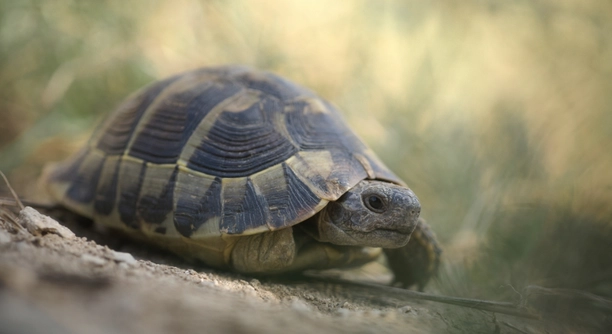
Hermann’s tortoises are known for their unique beauty, but sometimes their skin can appear extra wrinkly, leaving owners concerned. If you’ve noticed this in your pet, it’s important to understand what might be going on.
Skin wrinkling in Hermann’s tortoises is commonly caused by dehydration or environmental factors. Tortoises, like all reptiles, need the right humidity and hydration to maintain healthy skin. If these factors are off, it can result in excess wrinkling.
Taking care of your tortoise’s hydration and environment can help prevent skin issues. It’s important to ensure they are properly hydrated and their habitat has the right humidity levels. Keep reading to learn more!
Possible Causes of Wrinkly Skin in Hermann’s Tortoises
Dehydration is a common reason for wrinkling skin in Hermann’s tortoises. These reptiles need enough water to stay healthy, and without proper hydration, their skin can appear shriveled or wrinkled. If your tortoise’s skin seems unusually dry, it could mean they aren’t getting enough fluids. Along with dehydration, temperature and humidity levels also play a significant role in maintaining skin health. When the environment is too dry or too hot, it can lead to skin issues. Tortoises also need access to a proper diet filled with hydration-rich foods like leafy greens. Poor care in any of these areas can quickly cause your tortoise’s skin to look unhealthy.
Ensuring your tortoise stays hydrated and has the right environmental conditions can help prevent wrinkling.
Take a closer look at your tortoise’s enclosure. A dry or too-warm environment could be affecting their skin. Adding a water dish and misting their enclosure regularly will help keep their skin smooth and hydrated. Keep humidity levels consistent.
How to Keep Your Hermann’s Tortoise Hydrated
Providing fresh, clean water daily is key to keeping your tortoise hydrated. A shallow water dish will allow your tortoise to drink easily without the risk of drowning. Be sure to check the water daily, as it can get dirty quickly. Additionally, certain vegetables like cucumbers and watermelon can help provide extra hydration. Along with water, make sure your tortoise is eating a balanced diet rich in moisture. Leafy greens, such as collard greens or dandelion greens, are excellent for hydration and nutrients. You can also try soaking your tortoise in warm water for 20 minutes a couple of times a week to boost hydration levels.
If you are still noticing skin wrinkles after addressing hydration, the issue may be environmental. You’ll need to adjust the humidity levels in your tortoise’s enclosure. Mist the area lightly once or twice a day to ensure your tortoise isn’t in a dry, uncomfortable space. Try placing a humidity gauge inside their habitat to monitor the levels. Having a consistent humidity range between 40-60% is ideal. Make sure to also provide a basking area where they can regulate their temperature properly.
The Importance of Temperature in Your Tortoise’s Habitat
Maintaining the correct temperature in your tortoise’s habitat is crucial for its overall well-being. If the enclosure is too cold, it can affect your tortoise’s ability to properly digest food and absorb nutrients, which can lead to dehydration and skin problems.
Ensure your tortoise has a warm area to bask, usually around 90°F to 95°F, and a cooler area for resting. The temperature gradient will help them regulate their body heat naturally. You can use heat lamps and ceramic heaters to achieve the right warmth. Without proper heat, your tortoise may not be able to digest food properly, which can impact hydration and cause wrinkling.
Consider investing in a thermostat to keep the temperature consistent. Overheating is just as harmful as being too cold. Make sure there’s a way for your tortoise to move between hot and cool spots. Regular monitoring of temperatures will help maintain a balanced environment, keeping your tortoise healthy and comfortable.
Providing Proper Lighting
Hermann’s tortoises need exposure to UVB lighting to help them absorb calcium and promote healthy skin. Without UVB, their bones may weaken and they may have trouble processing the nutrients in their food. It can also lead to skin issues and poor hydration.
UVB bulbs should be placed within 12 inches of your tortoise’s basking spot and be replaced regularly. Tortoises need UVB exposure for about 12 hours a day. Make sure the light covers the entire basking area and doesn’t leave any parts of the enclosure in darkness. You can use UVB bulbs designed specifically for reptiles to meet these needs.
A proper light cycle also helps regulate your tortoise’s circadian rhythm. With adequate lighting, your tortoise will be able to absorb calcium from their diet, strengthening their bones and overall health. This contributes to preventing dehydration-related skin problems and other issues associated with poor care.
Diet and Hydration
Feeding your Hermann’s tortoise the right foods plays a big role in skin health. Hydration-rich vegetables like cucumbers, lettuce, and watermelon can help keep your tortoise hydrated and reduce skin wrinkling.
A varied diet with fresh, moisture-rich vegetables and some fruits ensures your tortoise stays hydrated. Avoid overfeeding dry foods that could contribute to dehydration.
The Role of Substrate
The substrate in your tortoise’s habitat can affect humidity levels and comfort. If the substrate is too dry, it can lead to dehydration. Choose bedding that retains moisture while also allowing your tortoise to burrow and dig.
Using coconut coir or a mix of soil and organic material will help keep humidity in check. Make sure to keep the substrate clean and replace it regularly to maintain healthy skin and an overall clean environment. Adding damp moss can also help increase humidity.
FAQ
Why is my Hermann’s tortoise’s skin wrinkly but not dry?
Wrinkling without dryness can be a sign of improper humidity levels in the environment. If the humidity is too low, it can cause your tortoise’s skin to look wrinkled without actually feeling dry. It’s important to ensure the humidity is between 40-60%, which helps keep your tortoise’s skin smooth and hydrated. Additionally, check the water intake and the hydration of the food your tortoise is eating. Sometimes, even with adequate hydration from food, the lack of moisture in the air can still affect skin appearance.
How can I tell if my tortoise is dehydrated?
Dehydration in Hermann’s tortoises can be tricky to spot, but there are some signs to look for. Besides wrinkly skin, you may notice your tortoise becomes less active than usual. They may also refuse food or have a sunken appearance around the eyes. If you see these signs, offer your tortoise a soak in warm water for about 20 minutes and ensure they have access to fresh water at all times. Dehydration can be dangerous, so it’s important to address it quickly.
Can temperature affect the wrinkling of my tortoise’s skin?
Yes, temperature has a direct effect on skin health. If your tortoise’s environment is too hot or too cold, it can cause skin issues. A habitat that’s too hot can lead to dehydration, while a cold environment can affect digestion and overall health. To keep your tortoise comfortable, provide a basking spot that’s 90-95°F and a cooler area to help them regulate their body temperature. A stable temperature is key for your tortoise’s overall well-being.
How often should I bathe my tortoise for hydration?
Soaking your tortoise in warm water once or twice a week is a good way to boost hydration, especially if they’re showing signs of dehydration. The warm water helps rehydrate them through the skin and encourages them to drink. Make sure the water is shallow enough for them to walk around safely, and don’t force them to stay in the water. Keep the soaking sessions to about 20 minutes to avoid stress.
Can overfeeding lead to wrinkled skin?
Overfeeding, particularly with dry food, can contribute to dehydration, which in turn causes wrinkling. If your tortoise eats too much dry food or doesn’t have enough access to fresh, hydrated foods, their skin may appear wrinkled. Ensure their diet is balanced, with a variety of fresh, hydrating vegetables and occasional fruits. Keep an eye on portion sizes and make sure they’re not overeating dry foods, as this can lead to other health problems as well.
Why is my tortoise’s skin wrinkly after hibernation?
It’s not uncommon for tortoises to look a bit wrinkled after hibernation. During the brumation period, they lose body fluids and may become dehydrated. When they wake up, they might appear more wrinkled than usual. To help, soak your tortoise in warm water and gradually reintroduce fresh food to their diet. After a few days, they should start looking more hydrated and active. If wrinkling persists for a long period after hibernation, it could be a sign of underlying health issues.
Can I use moisturizing creams on my tortoise’s skin?
It’s not recommended to use moisturizing creams on your tortoise’s skin. Tortoises have sensitive skin, and many moisturizers contain chemicals that can be harmful to them. The best way to help your tortoise with skin issues is by adjusting their environment, hydration, and diet. Focus on providing a proper temperature, humidity, and a good water source. If the wrinkling persists, it’s best to consult a vet to rule out any serious health concerns.
How do I prevent my tortoise’s skin from getting wrinkled?
To prevent your tortoise’s skin from becoming wrinkled, maintain a proper environment that includes the right humidity, temperature, and hydration. Make sure they have access to fresh water daily, and offer hydrating foods like leafy greens and moisture-rich vegetables. Check the humidity levels regularly and adjust as needed. Also, keep the habitat clean and free of any harmful elements. Proper UVB lighting is crucial as well. A well-balanced diet and an optimal habitat will keep your tortoise’s skin healthy and smooth.
Is it normal for my tortoise’s skin to wrinkle as it ages?
As tortoises get older, some wrinkling may occur naturally. Like all animals, older tortoises can experience skin changes due to age. However, excessive wrinkling or dry skin should still be addressed, as it can indicate dehydration or improper care. Ensure your tortoise has the right environment, hydration, and nutrition to support healthy skin throughout its life. Regular vet checkups can help spot age-related changes early and prevent any serious issues.
Should I worry about a single wrinkled spot on my tortoise’s skin?
A single wrinkled spot may not be a cause for concern, but it’s important to monitor it. Sometimes, localized wrinkling can occur if your tortoise has been in one position for too long or if an area of the skin is dry. If the wrinkling doesn’t improve or seems to worsen, check the surrounding environment for temperature, humidity, and hydration issues. If in doubt, consult a veterinarian to ensure your tortoise’s health isn’t at risk.
Final Thoughts
Hermann’s tortoises are relatively hardy, but their skin can sometimes show signs of trouble if their environment or care isn’t quite right. Wrinkling of the skin, while common, can be a signal that something in their routine needs adjusting. Whether it’s a lack of hydration, improper humidity levels, or temperature issues, these factors can all play a role in your tortoise’s skin health. Addressing these areas early on can prevent bigger issues down the road.
It’s important to remember that tortoises need a delicate balance of warmth, humidity, and hydration to stay healthy. Ensuring that they have fresh water every day, the right vegetables for hydration, and a proper basking spot with enough UVB light is key to keeping them happy and comfortable. Regular checks of their environment, along with paying attention to their behavior and skin condition, will help keep you on track. If their skin issues persist even after making adjustments, it might be a good idea to consult a vet for further guidance.
Maintaining a healthy habitat for your Hermann’s tortoise doesn’t require a lot of complex care, but small details make a big difference. Providing the right conditions helps ensure your tortoise lives a long, healthy life with smooth, wrinkle-free skin. Regular attention to their diet, hydration, and overall environment will keep your tortoise comfortable and reduce the risk of skin problems. By keeping these simple steps in mind, you’ll set up your tortoise for success in a way that benefits both you and your pet.

Hello,
If you enjoy the content that we create, please consider saying a "Thank You!" by leaving a tip.
Every little bit helps us continue crafting quality advice that supports the health, happiness, and well-being of pets around the world, for pets of all shapes, sizes, and species.
We really appreciate the kindness and support that you show us!