
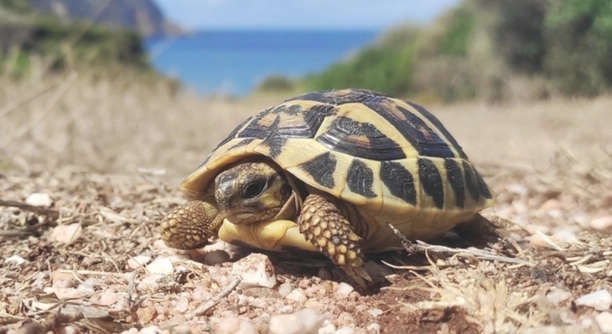
Hermann’s tortoises are known for their hearty appetite, but there may be times when they aren’t eating as much as they should. If you notice a change in your tortoise’s eating habits, it’s important to take note and understand the possible reasons behind it.
There are several reasons why a Hermann’s tortoise might eat less, including changes in their environment, temperature, stress, health issues, and seasonal changes. These factors can influence their appetite and should be carefully considered for their well-being.
Knowing why your tortoise is eating less can help you adjust their care and ensure they stay healthy. With some attention to their surroundings and diet, you can improve their eating habits and overall health.
Changes in Temperature and Humidity
Your Hermann’s tortoise’s appetite can be significantly affected by changes in temperature and humidity. Tortoises are cold-blooded animals, meaning they rely on external sources of heat to regulate their body temperature. If the environment becomes too cold or too hot, their metabolism slows down, leading to a decreased appetite. For example, during the colder months, they might eat less as their activity levels drop. A drop in temperature can also cause digestive issues, making them less interested in food.
Ensuring that their enclosure has a proper temperature gradient, with a warm area for basking and a cooler spot for resting, is essential. Maintaining the right humidity levels is just as important. If the air becomes too dry, it can lead to dehydration, which affects your tortoise’s health and appetite.
To keep your Hermann’s tortoise eating well, invest in a thermometer and hygrometer. Regularly check both and adjust their environment accordingly. Consistent care in these areas can make a noticeable difference in how much they eat.
Stress and Anxiety
Stress can be a big factor in a Hermann’s tortoise eating less. Tortoises are sensitive to changes in their environment, and anything from loud noises to sudden movements can cause them distress. A new pet, a change in habitat, or even a noisy household can lead to your tortoise eating less.
To reduce stress, try to provide a calm, quiet space for your tortoise. Make sure their enclosure is safe, secure, and comfortable. Avoid handling them too much, especially if they seem nervous. Over time, with less stress, their appetite should improve.
It’s also important to monitor their behavior closely. If they seem unusually lethargic or are hiding more than usual, stress might be the issue. Try to create a routine for feeding and keep their environment consistent. A stable, stress-free habitat will help encourage your tortoise to eat and feel at ease.
Illness or Injury
If your Hermann’s tortoise is eating less, it could be due to an illness or injury. Just like any other pet, they can suffer from health problems, such as infections, digestive issues, or injuries that cause pain. These health concerns can make them lose their appetite.
If you notice any signs like swelling, limping, or unusual behavior, it’s important to seek veterinary advice. A check-up can help identify any underlying medical issues. Regular health checks can catch potential problems early, so don’t hesitate to schedule one if your tortoise is eating less.
A lack of appetite combined with lethargy or abnormal behavior could be a sign of something serious. Your tortoise’s health should always be a priority, and addressing any signs of illness quickly will help them recover faster and get back to eating normally.
Seasonal Changes
Seasonal changes can also impact your Hermann’s tortoise’s eating habits. During colder months, they may naturally eat less as they enter a more dormant state, similar to hibernation. This reduction in appetite is completely normal and should not be a cause for concern.
During the winter, your tortoise’s metabolism slows down, and they may eat much less. It’s essential to adjust their diet accordingly, offering smaller amounts of food less frequently. Make sure the environment is warm enough to prevent too much inactivity.
FAQ
Why is my Hermann’s tortoise not eating?
There could be several reasons your Hermann’s tortoise isn’t eating. Common causes include environmental stress, incorrect temperature, health issues, or seasonal changes. It’s important to rule out each factor to understand the root cause. If their environment is too cold or too hot, it can slow down their metabolism and make them less interested in food. Also, if they’re stressed, they might lose their appetite. Make sure their enclosure is comfortable, and try to avoid disturbances. If your tortoise isn’t eating for more than a few days, consult a vet to rule out any medical issues.
How can I tell if my Hermann’s tortoise is stressed?
Signs of stress in Hermann’s tortoises include excessive hiding, lethargy, refusing food, or becoming more aggressive. They may also start to pace around their enclosure or show an interest in escaping. Any changes in their behavior, such as hiding more often than usual or becoming less active, could indicate stress. Environmental changes, loud noises, or the presence of other pets can all be sources of stress. Creating a calm, stable environment can help your tortoise feel more at ease and encourage better eating habits.
Is it normal for my Hermann’s tortoise to eat less in the winter?
Yes, it is completely normal for Hermann’s tortoises to eat less in the winter. As cold-blooded animals, they rely on external temperatures to regulate their body heat, and during the cooler months, their metabolism slows down. This makes them less active and less hungry. During hibernation or brumation, they might eat even less or stop eating altogether. However, it’s important to ensure they are still receiving proper care and their enclosure remains at a comfortable temperature. If you’re concerned, you can reduce the amount of food offered but continue to provide fresh water.
What should I do if my Hermann’s tortoise refuses food for several days?
If your tortoise refuses food for more than a few days, first check their environment. Make sure the temperature is correct, the humidity is at the right level, and the food is fresh. If everything seems normal, consider whether your tortoise might be stressed or ill. If they seem lethargic, have abnormal behavior, or show signs of injury, it’s time to visit a vet. It’s always better to be safe and get a professional opinion if your tortoise is not eating or seems unwell.
Can my Hermann’s tortoise eat too much?
While it’s less common for Hermann’s tortoises to overeat, it is possible if they are given too much food. This can lead to obesity or digestive issues. It’s important to feed them a balanced diet and avoid overfeeding. Hermann’s tortoises thrive on a variety of leafy greens, vegetables, and some fruits, but the portions should be carefully monitored. If you notice your tortoise becoming overweight or sluggish, it may be time to adjust their diet. Offer food in moderation, and ensure they have opportunities to exercise.
How do I encourage my Hermann’s tortoise to eat more?
If your tortoise isn’t eating enough, start by adjusting the environment. Make sure the temperature is ideal, and that there is a proper basking area. You can try offering a variety of fresh food, such as dandelion greens, clover, and herbs. Some tortoises might prefer certain types of food, so offering new and exciting choices might spark their interest. Avoid disturbing them too much during feeding times, and create a calm and quiet atmosphere. If the issue persists, a vet visit might be needed to rule out health problems.
What are some common health problems that cause a loss of appetite in tortoises?
Several health problems can lead to a decrease in appetite for Hermann’s tortoises. Common issues include respiratory infections, digestive problems, parasites, or injuries. Symptoms may include wheezing, nasal discharge, bloating, or swelling. If your tortoise shows any of these signs, a visit to the vet is recommended. A professional can perform tests to diagnose the issue and recommend the proper treatment. Regular health check-ups can help catch potential problems early, ensuring your tortoise remains in good health.
Can I feed my Hermann’s tortoise commercial food?
While commercial tortoise food can be convenient, it’s important to offer a varied and natural diet. Hermann’s tortoises are herbivores, and they thrive on fresh, leafy greens, vegetables, and some fruits. Commercial food should not make up the majority of their diet but can be used occasionally as a supplement. Always read the label to ensure that the product is suitable for Hermann’s tortoises and doesn’t contain additives that might harm them. Fresh, organic produce is always the best option.
How often should I feed my Hermann’s tortoise?
Hermann’s tortoises should be fed every other day, but the amount can vary depending on their age, size, and activity level. Younger tortoises require more frequent feedings, while adults typically eat less often. It’s important to offer fresh food and remove any uneaten portions after a few hours to avoid spoilage. Ensure a variety of leafy greens, vegetables, and occasional fruits are included in their diet to provide essential nutrients. If you notice a decrease in appetite, monitor their behavior and environment closely, and seek veterinary advice if necessary.
Is it safe to give my Hermann’s tortoise fruits?
Yes, you can give your Hermann’s tortoise fruit, but it should only be an occasional treat. Fruits are high in sugar, so too much can upset their digestive system and lead to obesity. Offering small portions of fruit like strawberries, watermelon, or apple once or twice a week is sufficient. The majority of their diet should consist of leafy greens and vegetables to ensure they get the proper nutrients without excess sugar.
Final Thoughts
Understanding why your Hermann’s tortoise is eating less can be a bit tricky, but by carefully observing their environment and health, you can often pinpoint the cause. There are many factors that can influence their appetite, including temperature, stress, illness, and seasonal changes. Each of these factors can impact their behavior and how much they want to eat. If your tortoise is eating less, it’s important to first check the basics like temperature and humidity. If those are well-maintained, you can consider other factors, such as stress or possible health problems.
Providing the right environment is key to helping your tortoise stay healthy and maintain a good appetite. Make sure their enclosure is the correct temperature, with a warm basking spot and a cooler area for resting. The humidity should also be carefully monitored, as too dry or too wet of an environment can affect their digestion. If you find that your tortoise is stressed, try to reduce disturbances and provide them with a quiet, secure space. This can go a long way in encouraging better eating habits and overall well-being.
If these adjustments don’t seem to help, and your tortoise continues to eat less or shows other concerning symptoms, it may be time to consult a vet. Illnesses or injuries could be at play, and a professional can help identify any underlying problems. With the right care and attention, most tortoises can maintain a healthy appetite and enjoy a long, happy life. Regular health checks, proper diet, and a stable environment will ensure your Hermann’s tortoise stays in good shape for years to come.

Hello,
If you enjoy the content that we create, please consider saying a "Thank You!" by leaving a tip.
Every little bit helps us continue crafting quality advice that supports the health, happiness, and well-being of pets around the world, for pets of all shapes, sizes, and species.
We really appreciate the kindness and support that you show us!