
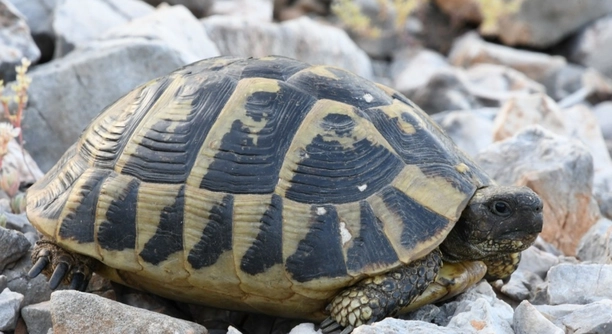
If you’ve noticed your Hermann’s tortoise keeping its tail tucked in most of the time, you may be wondering what’s going on. This behavior can seem puzzling, but there are reasons behind it.
The tail of a Hermann’s tortoise is naturally tucked in as a protective behavior, particularly when it feels threatened or insecure. This action is part of its instinctual response to shield vulnerable areas and is often a sign of its defensive nature.
Understanding why your tortoise behaves this way can help you better care for it. Knowing when this is normal and when it might indicate stress is key to ensuring its well-being.
What Makes Tortoises Tuck Their Tails In?
Tortoises, especially Hermann’s tortoises, often keep their tails tucked in as a way of protecting themselves. This natural behavior comes from their instinct to keep vulnerable parts of their body safe. When a tortoise feels threatened, it may retract its tail to avoid injury. This response is common in many reptiles, as they have evolved to hide or protect their soft underparts. Even if your tortoise is not facing immediate danger, this behavior can be triggered by other factors like unfamiliar sounds, a change in its environment, or even when it’s resting.
While it might look odd or concerning, it’s usually harmless. Tortoises have a unique way of handling stress or fear, and tail-tucking is one of their defense mechanisms. Over time, this becomes a habit, and it’s unlikely to change unless something disrupts their environment or routine.
It’s important to understand that this behavior is completely natural. When kept in a calm, familiar environment, your tortoise may show fewer signs of stress and tuck its tail less frequently.
Stress and Tail Tucking
When your tortoise’s environment changes, it may feel more stressed.
Tortoises are sensitive creatures, and their tail-tucking behavior can be triggered by stress. Moving to a new home, changes in temperature, or even noise can all cause anxiety. This stress can make your tortoise feel the need to protect itself by hiding its tail. While it may seem like a simple reaction, it’s a sign that the tortoise is adjusting or feeling uneasy. Creating a stable environment with a regular routine can help reduce stress and minimize the tail-tucking behavior. Regularly checking for signs of illness or discomfort can also rule out medical causes that might make a tortoise feel threatened.
By ensuring your tortoise’s living space is secure and peaceful, you can help it feel more comfortable, thus reducing its need to tuck its tail. A well-maintained enclosure with appropriate temperature, humidity, and hiding spots provides your tortoise with reassurance and a sense of safety.
Health Issues That Could Cause Tail Tucking
Health problems could also make your tortoise keep its tail tucked in.
If a tortoise is feeling unwell, it may instinctively retreat into its shell, including tucking in its tail. Conditions like shell infections, parasites, or even digestive issues can cause discomfort, leading to more frequent tail-tucking. It’s essential to keep an eye out for any other signs of illness, such as lack of appetite, lethargy, or unusual behavior.
When you notice this behavior along with other symptoms, it might indicate something more serious. Make sure your tortoise has a clean and proper habitat to avoid infections. Regular vet check-ups can help catch potential issues early. If your tortoise is not eating or moving around as usual, it’s best to get it checked by a reptile vet. Early detection of health problems can make a big difference in treatment and recovery.
How Temperature and Humidity Affect Tail Tucking
The wrong temperature or humidity can also make your tortoise feel uncomfortable.
Temperature and humidity levels directly impact a tortoise’s health and comfort. When it’s too hot or too cold, your tortoise might retreat into its shell more often and keep its tail tucked. A lack of proper heat or moisture can make the tortoise feel stressed or sick. It’s crucial to monitor the temperature and humidity in its habitat regularly. Too high or too low can create an environment that’s not suitable for your tortoise.
Keeping your Hermann’s tortoise at an ideal temperature range of 75–85°F during the day and providing a basking area around 90°F can help ensure it stays active and comfortable. Also, maintaining humidity between 50-70% helps with proper hydration. Regularly checking these conditions ensures your tortoise can relax without feeling the need to hide its tail.
Handling Tail-Tucking Behavior
If your tortoise frequently tucks its tail, observe its overall behavior.
Sometimes, tail-tucking can be a normal part of your tortoise’s daily habits. If it only occurs during certain times, such as when it’s resting or feeling a bit unsettled, it’s likely not a cause for concern. However, keep an eye on how often it happens.
If your tortoise shows no other signs of illness and behaves normally when out and about, there’s likely no need for panic. Regular monitoring will help you determine if this behavior becomes more frequent or if other changes occur that may need further attention.
Providing Proper Hiding Spaces
Tortoises feel safer when they have a place to hide.
Adding more hiding spaces to your tortoise’s habitat can reduce its stress and help it feel secure. You can use logs, rocks, or hide boxes to create private spots for your tortoise. These spots offer a sense of protection, which can lessen the need for it to tuck in its tail.
When Tail-Tucking Becomes a Worry
It’s important to distinguish normal behavior from signs of trouble.
If your tortoise is hiding its tail constantly, showing lethargy, or refusing food, it might be more than just stress. When tail-tucking is paired with other health concerns like abnormal movements or breathing difficulties, it’s time to see a vet.
FAQ
Why does my Hermann’s tortoise keep its tail tucked in?
Hermann’s tortoises often tuck their tails in as a natural defense mechanism. When they feel threatened or insecure, this behavior helps protect vulnerable areas of their body. It’s a way for them to shield themselves from potential danger. Even if there’s no immediate threat, environmental changes or unfamiliar situations can trigger this instinct. A quiet and stable environment can reduce this behavior, allowing your tortoise to feel more secure.
Is it normal for my tortoise to always hide its tail?
Yes, it’s fairly normal for a tortoise to hide its tail when it’s resting or feeling a bit uneasy. As long as it’s not coupled with other signs of illness or stress, the behavior is often just part of their routine. However, if the tail-tucking becomes more frequent or persistent, it’s worth monitoring for other signs that could indicate discomfort or health issues.
Can stress cause my tortoise to tuck its tail more often?
Yes, stress is one of the main factors that can cause your tortoise to tuck its tail. Changes in its environment, such as moving to a new home, new noises, or different lighting, can make it feel unsafe. Stress can also result from overcrowding or incompatible tank mates. To help reduce stress, make sure the environment is calm, and that the tortoise has plenty of hiding spaces. Keeping a regular routine can also help your tortoise feel more secure.
Should I be worried if my tortoise tucks its tail when I approach?
It’s common for tortoises to tuck their tails when they feel threatened or startled, even by the presence of their owner. This behavior is a normal defense response. However, if your tortoise continues to act this way every time you approach or handle it, this could be a sign that it feels stressed. Approach gently, and give it time to adjust to your presence. Always handle your tortoise calmly to avoid causing additional stress.
How can I help my tortoise feel less stressed and stop tucking its tail?
To help reduce stress and discourage tail-tucking, ensure your tortoise’s habitat is secure and comfortable. Keep the temperature and humidity levels within the proper range, and provide ample hiding spots. Avoid sudden changes in its environment, and allow it to acclimate to new situations slowly. Minimizing noise and disturbance in the area can also create a more peaceful space for your tortoise. The less stressed your tortoise is, the less likely it is to engage in tail-tucking.
Can health issues cause tail-tucking in my tortoise?
Yes, health problems can contribute to your tortoise tucking its tail. Illnesses like shell infections, digestive issues, or parasites can cause discomfort, leading to defensive behaviors. If your tortoise seems lethargic, refuses to eat, or shows signs of abnormal behavior, it’s important to consult with a reptile vet. Early detection of health problems can prevent further complications and allow for timely treatment.
How can I tell if my tortoise’s tail-tucking is a sign of illness?
If your tortoise’s tail-tucking is paired with other signs like loss of appetite, lethargy, labored breathing, or abnormal movements, it could be a sign of illness. Pay attention to whether it is avoiding food or water, becoming more withdrawn, or showing signs of pain, like excessive rest or slow movements. If these symptoms appear, it’s crucial to take your tortoise to a vet for an examination.
Does tail-tucking indicate a specific illness in tortoises?
Tail-tucking itself is not necessarily a direct indicator of a specific illness, but it can be a symptom of discomfort or stress that may be caused by an illness. For example, if your tortoise has a respiratory infection, digestive upset, or parasites, it may feel the need to hide its tail more frequently. It’s important to monitor for other signs, such as changes in behavior, appetite, and activity levels, which can help determine if a health issue is present.
Is there a way to prevent my tortoise from tucking its tail?
While you can’t completely prevent your tortoise from tucking its tail, you can minimize stress and discomfort to reduce the frequency of this behavior. Providing a stable, comfortable environment with the right temperature, humidity, and hiding spots can help your tortoise feel secure. Regular vet visits and a consistent routine will also contribute to your tortoise’s well-being and reduce unnecessary stress.
When should I take my tortoise to the vet for tail-tucking?
You should take your tortoise to the vet if the tail-tucking is persistent and accompanied by other signs of illness, such as lack of appetite, abnormal movement, or lethargy. Any change in behavior that seems unusual, especially if it lasts for an extended period, warrants a veterinary check-up. A vet can rule out any health problems and ensure your tortoise is well taken care of.
Final Thoughts
Understanding why your Hermann’s tortoise tucks its tail can give you valuable insight into its behavior and health. Tail-tucking is often a natural response to stress or insecurity. It’s a way for your tortoise to protect its vulnerable body parts, and in most cases, it’s nothing to worry about. Many tortoises will instinctively retract their tails when they feel uneasy or threatened, and it’s just part of their natural survival instincts. In a calm, familiar environment, this behavior should be less frequent, and your tortoise may become more relaxed over time.
However, it’s important to pay attention to other signs and symptoms that could indicate a problem. If your tortoise is constantly tucking its tail, or if the behavior is paired with other concerning symptoms such as loss of appetite, lethargy, or abnormal movements, it’s essential to take action. It may be a sign that something is wrong, whether it’s stress, illness, or discomfort caused by environmental factors. Keep an eye on your tortoise’s overall health and well-being, and make sure it has everything it needs for a comfortable life. A balanced diet, a stable environment, and regular veterinary care are key to keeping your tortoise healthy.
Ultimately, while tail-tucking is usually harmless, understanding the underlying factors can help you better care for your tortoise. It’s normal for them to retreat into their shells when they feel unsafe, but creating a secure, consistent environment can help reduce stress and give them more confidence. A properly maintained habitat, with suitable temperatures, humidity, and hiding spots, will go a long way in helping your tortoise feel at ease. As long as there are no other signs of distress or illness, tail-tucking is likely just a part of your tortoise’s natural behavior. Regular observation and a little patience are all that’s needed to ensure your tortoise’s comfort and well-being.

Hello,
If you enjoy the content that we create, please consider saying a "Thank You!" by leaving a tip.
Every little bit helps us continue crafting quality advice that supports the health, happiness, and well-being of pets around the world, for pets of all shapes, sizes, and species.
We really appreciate the kindness and support that you show us!