
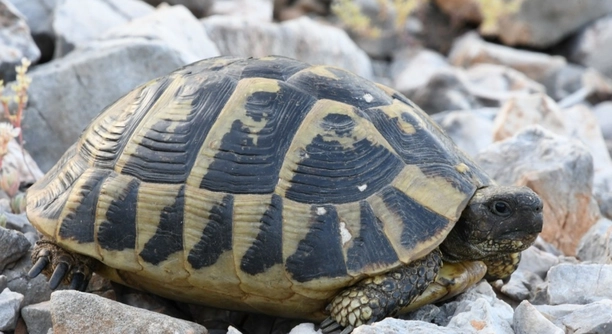
Hermann’s tortoises are known for their steady, slow movements. If you notice your tortoise dragging its legs, it can be a sign of an underlying issue. Understanding these reasons can help you ensure your pet’s well-being.
Hermann’s tortoises might drag their legs due to various health problems, including nutritional deficiencies, injuries, or improper living conditions. Weakness in the legs can also result from metabolic bone disease or dehydration, which can affect their overall mobility.
Knowing the causes behind your tortoise’s leg dragging can help you provide better care.
Nutritional Deficiencies and Their Impact
If your Hermann’s tortoise isn’t getting the right nutrients, it can affect its ability to move properly. A diet lacking essential vitamins and minerals, such as calcium or vitamin D3, can result in weak muscles and bones. Without calcium, tortoises may develop metabolic bone disease, which can cause leg dragging or even paralysis. A lack of proper nutrition also makes it harder for your tortoise to stay active and strong.
A well-balanced diet is key to preventing these issues. Ensure your tortoise has a mix of leafy greens, vegetables, and calcium-rich foods. You can also provide vitamin D3 supplements to help with calcium absorption, especially if your pet isn’t exposed to enough natural sunlight.
Inadequate nutrition isn’t always noticeable right away. Over time, it leads to poor health and mobility. Ensuring your tortoise has the proper diet will improve its leg strength and overall well-being.
Improper Enclosure Conditions
An unsuitable habitat could be another reason your tortoise is dragging its legs. Tortoises require proper heating, lighting, and humidity to thrive. If the enclosure is too cold, your tortoise may become sluggish and weak. It’s essential to maintain the right temperature gradient so your tortoise can regulate its body heat. Without proper heat, its metabolism slows down, and its muscles may weaken.
Humidity levels are equally important for tortoises. Too much moisture can lead to shell rot or other infections that can impair movement. Too little moisture can result in dehydration, further complicating leg movement. Always ensure that the tortoise’s habitat has the right balance of warmth and moisture to prevent health issues.
A proper enclosure encourages natural behavior and keeps your tortoise physically active. When all the right conditions are met, your tortoise will be more likely to thrive and move easily.
Injury or Trauma
An injury or trauma can cause your tortoise to drag its legs. This might happen from a fall, bump, or rough handling. The pain or discomfort can make it difficult for your pet to move normally. Injuries can be hard to spot, especially if the tortoise doesn’t show obvious signs of distress.
If you suspect an injury, it’s best to carefully examine the tortoise for swelling, cuts, or bruises. Look for any signs of limping or abnormal movement. In some cases, the injury could be internal, affecting muscle or bone function. If your tortoise seems to struggle with movement after a fall or bump, seek a veterinarian’s advice.
Prompt treatment is important to prevent further complications. If an injury goes untreated, it may lead to permanent damage and more severe mobility issues. A quick diagnosis and proper care can help your tortoise recover and regain strength.
Dehydration
Dehydration is a common cause of leg dragging in tortoises. Without enough water, their muscles and joints weaken, making it difficult for them to move. Dehydration can occur if the tortoise is not drinking enough or if the environment lacks proper humidity levels.
Ensure your tortoise has constant access to fresh water. You can also soak your tortoise in warm water for about 20 minutes a few times a week to help with hydration. Be sure the water is not too hot to avoid causing stress. This also allows your pet to absorb moisture through its skin.
Signs of dehydration in tortoises include lethargy, sunken eyes, and dry, brittle skin. If dehydration is the cause of leg dragging, addressing it quickly can restore your tortoise’s health and mobility. Keep an eye on their water intake to avoid this issue.
Metabolic Bone Disease
Metabolic Bone Disease (MBD) is a serious condition that can affect your tortoise’s leg movement. It occurs when the tortoise doesn’t get enough calcium, vitamin D3, or proper UV light exposure. MBD weakens the bones, making movement difficult and painful.
Signs of MBD include soft or deformed shell, difficulty moving, or weakness in the legs. Tortoises with MBD often drag their legs due to the lack of strength in their bones. If you notice any of these signs, it’s crucial to address the diet and lighting conditions immediately. A proper diet and UVB lighting can prevent or treat the condition.
Infection
Infections, whether internal or external, can lead to leg dragging. Bacterial or fungal infections might attack the tortoise’s legs, making them weak and unresponsive. Look for swelling, redness, or unusual discharges, which are signs of infection.
Promptly addressing infections is essential. A vet can determine the cause and recommend the proper treatment. If untreated, infections can worsen and lead to permanent damage to the legs.
FAQ
Why is my Hermann’s tortoise dragging its legs?
There are several possible reasons why your tortoise may be dragging its legs. It could be due to a lack of proper nutrition, dehydration, injury, or metabolic bone disease. These issues weaken the muscles or bones, making it difficult for your tortoise to move. To determine the cause, assess the environment, diet, and behavior of your tortoise. If you’re unsure, a vet can help pinpoint the problem and suggest appropriate treatment.
How can I prevent leg dragging in my tortoise?
Preventing leg dragging begins with ensuring proper care. Maintain a healthy diet with sufficient calcium and vitamins, especially vitamin D3. Ensure your tortoise has access to proper UVB lighting and a warm environment. Keep the enclosure clean and free of hazards that could cause injury. Regularly check for signs of dehydration and provide fresh water.
What are the signs of dehydration in a tortoise?
Dehydration can cause several symptoms in tortoises. Common signs include sunken eyes, dry and brittle skin, lethargy, and reduced movement. If you notice these symptoms, it’s essential to address hydration issues immediately. Soak your tortoise in warm water for about 20 minutes a few times a week, and ensure it has access to fresh water at all times.
How do I treat metabolic bone disease in a tortoise?
Metabolic bone disease (MBD) requires immediate attention. The treatment primarily involves providing proper UVB lighting to promote calcium absorption and adjusting the diet to include calcium-rich foods. You may also need to supplement with calcium and vitamin D3. In severe cases, a vet might recommend medications or other treatments. Early intervention is critical to preventing permanent damage.
What should I do if my tortoise has an injury?
If your tortoise is dragging its legs due to an injury, you should first examine it carefully for signs of swelling, cuts, or bruises. If the injury seems serious or internal, it’s best to take the tortoise to a vet for an evaluation. For minor injuries, you can provide a quiet, safe space for recovery and monitor for any improvement. Make sure the enclosure is free of sharp objects that could worsen the injury.
Can dehydration cause permanent damage to my tortoise?
If dehydration is left untreated for too long, it can lead to serious health complications, including organ damage and reduced mobility. It’s crucial to address dehydration quickly by providing proper hydration and ensuring your tortoise has access to water regularly. Soaking your tortoise in warm water can help with hydration and prevent long-term issues.
How often should I check my tortoise’s health?
It’s a good idea to regularly check your tortoise’s health, at least once a week. Look for signs of injury, dehydration, or changes in behavior, such as dragging its legs. Regularly monitor its eating habits and water intake. If any issues arise or if you notice any abnormalities, take your tortoise to the vet for further evaluation.
Can I treat my tortoise’s leg dragging at home?
Some causes of leg dragging, such as dehydration or mild injuries, can be managed at home by improving hydration and providing a safe space for recovery. However, for serious issues like metabolic bone disease, infections, or trauma, it’s important to consult with a vet. Home remedies may provide temporary relief, but professional care is needed for long-term solutions.
What kind of diet is best for my tortoise?
A balanced diet is essential to keep your tortoise healthy. Leafy greens, vegetables, and calcium-rich foods like dandelion greens and collard greens should make up the majority of their diet. Supplement the diet with a small amount of fruits. Avoid feeding them high-fat or high-protein foods, as these can lead to health problems. Proper calcium intake is particularly important to avoid metabolic bone disease.
Can my tortoise’s shell affect its ability to move?
Yes, an unhealthy or deformed shell can affect a tortoise’s movement. A shell that is soft or misshapen, often due to poor diet or lack of UVB light, can hinder the tortoise’s ability to move properly. Make sure your tortoise has access to proper nutrition and UVB lighting to maintain a strong, healthy shell that doesn’t interfere with movement.
How long does it take for a tortoise to recover from an injury?
The recovery time for a tortoise depends on the severity of the injury. Minor injuries may take a few days to weeks to heal, while more serious injuries could require several weeks or even months. During recovery, ensure the tortoise is in a stress-free environment, and provide proper hydration and a safe space to rest. Consult a vet for guidance on recovery timelines and care.
What should I do if my tortoise’s legs appear swollen?
Swollen legs could indicate an infection, injury, or another underlying issue. It’s important to observe the tortoise closely for other symptoms, such as redness, heat, or discharge. If swelling persists or worsens, take your tortoise to a vet for a thorough examination. Early treatment can help prevent complications.
Is UVB light necessary for my tortoise’s health?
UVB light is crucial for your tortoise’s overall health. It helps them synthesize vitamin D3, which is necessary for calcium absorption. Without sufficient UVB light, tortoises are at risk of developing metabolic bone disease and other health problems. Ensure your tortoise has access to proper UVB lighting for at least 12 hours a day.
Can stress cause my tortoise to drag its legs?
Stress can indeed affect your tortoise’s mobility. If the tortoise feels threatened, overhandled, or if the environment is not suitable, it can become stressed. Stress weakens the immune system and can lead to physical symptoms, including leg dragging. Keep the environment calm and secure, and avoid frequent handling to reduce stress.
Can I prevent leg dragging with exercise?
Providing enough space for your tortoise to move around can encourage exercise and help strengthen its legs. Tortoises are naturally active and need room to roam. If your tortoise is dragging its legs, it might not be getting enough physical activity. Set up an appropriate enclosure where your tortoise can move around freely.
Final Thoughts
Caring for a Hermann’s tortoise requires attention to its diet, environment, and overall health. Leg dragging is often a sign that something is wrong, whether it’s an issue with nutrition, dehydration, or a more serious condition like metabolic bone disease. It’s important to assess your tortoise’s habitat and diet regularly to ensure it is getting the proper care. If the dragging persists or worsens, it is crucial to seek professional help from a veterinarian who specializes in reptiles. Early diagnosis and treatment are essential to avoid permanent damage.
Maintaining a healthy environment for your tortoise is key. Ensure it has access to UVB light to promote calcium absorption and maintain bone health. A proper diet with enough calcium, vitamin D3, and hydration will support your tortoise’s strength and mobility. Offering a safe space with room to move around will also help maintain physical health and prevent stress-related issues. Regular monitoring of your tortoise’s behavior and physical condition can catch problems early and allow for prompt intervention, which can make a big difference in its recovery and long-term health.
By understanding the common causes of leg dragging in Hermann’s tortoises, you can take proactive steps to improve your pet’s well-being. Whether it’s improving hydration, adjusting the diet, or addressing health concerns like metabolic bone disease, your care and attention will make a difference. A tortoise’s health depends heavily on its environment and diet, so providing the right conditions will keep your tortoise healthy and active.

Hello,
If you enjoy the content that we create, please consider saying a "Thank You!" by leaving a tip.
Every little bit helps us continue crafting quality advice that supports the health, happiness, and well-being of pets around the world, for pets of all shapes, sizes, and species.
We really appreciate the kindness and support that you show us!