
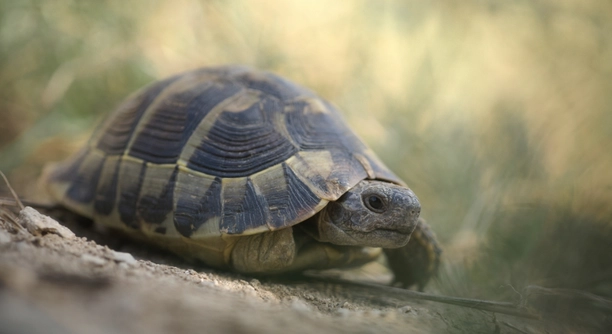
Is your Hermann’s tortoise spending time in its water bowl, trying to dig? This behavior may seem unusual, but it is not uncommon. Understanding why your tortoise is doing this can help you create a more suitable environment for its needs.
Hermann’s tortoises may dig in their water bowl due to stress, improper humidity levels, or an instinctual need to burrow. They might also be attempting to cool down or searching for a more comfortable spot if their enclosure lacks adequate substrate for digging.
Creating the right conditions for your tortoise can prevent this behavior and keep it comfortable. Learning the possible causes will help you make the necessary adjustments to its habitat.
Common Reasons Your Hermann’s Tortoise Is Digging in Its Water Bowl
Tortoises have natural instincts that drive their behavior, and digging is one of them. If your Hermann’s tortoise is digging in its water bowl, it may be trying to regulate its body temperature or adjust to humidity levels. This behavior can also be a sign of stress, discomfort, or an attempt to find a suitable digging spot. If the enclosure lacks the right substrate, your tortoise might turn to the water bowl instead. Understanding these possibilities will help you determine the cause and make the necessary changes to improve your pet’s habitat.
A tortoise that frequently digs in its water bowl may be signaling an issue with its environment. Inadequate substrate, incorrect humidity, or an enclosure that doesn’t meet its needs can all contribute to this behavior. Addressing these factors can help keep your tortoise comfortable.
Checking humidity levels, substrate depth, and overall enclosure setup is essential. Hermann’s tortoises thrive in an environment that mimics their natural habitat, with plenty of space for burrowing and proper humidity regulation. If the enclosure is too dry, your tortoise may seek moisture in the water bowl. Ensuring a balanced setup with the right substrate, humidity, and hiding spots can prevent stress-related behaviors and promote overall well-being.
How to Stop Your Tortoise from Digging in Its Water Bowl
Digging in the water bowl can be managed by making a few adjustments to your tortoise’s enclosure. Providing a deep, loose substrate and maintaining the right humidity levels can help redirect this behavior to a more appropriate area.
Ensure that the enclosure offers a suitable substrate like a mix of soil and sand, allowing your tortoise to dig naturally. Keep humidity levels stable, as excessive dryness may cause your tortoise to seek moisture elsewhere. Providing shaded areas and hiding spots will help your tortoise feel secure and reduce stress. Regularly checking temperatures and humidity with reliable gauges will ensure a comfortable habitat. If the enclosure is set up correctly, your tortoise is less likely to dig in its water bowl.
Observing your tortoise’s behavior is key to understanding its needs. If digging persists despite environmental adjustments, consider other possible causes such as stress, health issues, or seasonal changes. Providing a well-maintained, enriched enclosure will help your tortoise stay content and healthy.
Adjusting the Enclosure to Prevent Digging
A well-structured enclosure can stop your tortoise from digging in its water bowl. Make sure the habitat includes a deep, loose substrate for natural burrowing. Maintain proper humidity levels, provide shaded hiding spots, and ensure the enclosure is spacious enough for movement and exploration.
The substrate should be at least a few inches deep, using a mix of soil, sand, or coconut coir to allow for natural digging behavior. Avoid compacted or dry materials that may discourage burrowing. Keep humidity levels between 50–70% to prevent excessive dryness, as a lack of moisture may cause your tortoise to seek comfort in the water bowl. If the enclosure is too small or lacks enrichment, adding logs, rocks, or plants can provide a more engaging space that meets your tortoise’s needs.
Temperature regulation is also essential. Hermann’s tortoises require a basking spot of around 90°F and a cooler area between 70–80°F. An improper temperature gradient can lead to stress, causing unusual behaviors like digging in the water. Check your lighting setup to ensure it mimics natural sunlight. UVB exposure is crucial for overall health and helps regulate behaviors. Making these adjustments will create a more suitable environment, reducing stress-related digging.
Recognizing Signs of Stress or Discomfort
Digging in the water bowl may be linked to stress, which can be caused by improper habitat conditions, excessive handling, or sudden environmental changes. Other signs of stress include reduced appetite, excessive hiding, pacing, and unusual aggression. Identifying these behaviors early can help you address potential issues.
If stress is the cause, assess recent changes in your tortoise’s environment. Relocating the enclosure, changing its layout, or introducing new pets nearby can trigger stress. Loud noises, bright lights, or temperature fluctuations may also affect behavior. Providing a stable and predictable environment will help keep your tortoise calm. Limiting handling to short, gentle interactions and ensuring a consistent feeding schedule can also reduce anxiety.
Health issues can also contribute to unusual behaviors. If digging in the water bowl persists alongside lethargy, swelling, or abnormal stool, a vet checkup may be necessary. Dehydration, respiratory infections, or parasites can cause discomfort, leading to stress-related actions. Observing your tortoise’s habits and making appropriate changes will help keep it comfortable and healthy.
Ensuring Proper Hydration
A tortoise digging in its water bowl may be trying to stay hydrated. Always provide fresh, clean water in a shallow dish that is easy to access. Soaking your tortoise in lukewarm water for about 15–20 minutes a few times a week can also help maintain hydration.
Dehydration can cause unusual behaviors, including excessive time spent in the water bowl. Signs of dehydration include sunken eyes, dry skin, and lethargy. If the enclosure is too dry, misting the habitat occasionally and offering moisture-rich foods like cucumbers or leafy greens can help regulate hydration levels.
Addressing Seasonal Behavior Changes
Hermann’s tortoises may change their behavior based on seasonal shifts. Cooler months can trigger brumation instincts, leading to increased digging. During warmer months, they may seek moisture to cool off. Monitoring seasonal changes and adjusting temperature, lighting, and humidity can help manage their natural responses effectively.
When to Seek Veterinary Advice
If your tortoise continues digging in its water bowl despite adjustments, a health issue could be the cause. Persistent unusual behaviors, weight loss, or changes in appetite may indicate an underlying problem. A reptile-savvy vet can assess for infections, parasites, or metabolic issues that may be contributing to the behavior.
FAQ
Why does my Hermann’s tortoise dig in the water bowl?
Your Hermann’s tortoise may dig in the water bowl due to stress, improper humidity, or an instinctual need to burrow. If there’s no proper substrate for digging, your tortoise may try to dig in the water as a substitute. Additionally, they may dig to regulate their body temperature or cool off when the environment feels too warm.
How can I prevent my tortoise from digging in its water bowl?
To prevent this behavior, ensure your tortoise has a deep, loose substrate in its enclosure, such as a mix of soil and sand, to satisfy its natural burrowing instinct. Maintaining proper humidity levels, a temperature gradient, and hiding spots will also make your tortoise feel more comfortable. Avoid overly dry or compacted substrate that can lead to unwanted digging behavior.
Is digging in the water bowl a sign of illness?
While digging can be a normal behavior, excessive or abnormal digging in the water bowl can indicate health issues like dehydration, stress, or discomfort. If your tortoise shows signs of illness, such as lethargy, lack of appetite, or weight loss, it’s essential to consult a veterinarian.
Should I provide water in a shallow bowl or deep bowl?
A shallow bowl is best, as it allows your tortoise to drink and soak comfortably without feeling trapped. Deep bowls can lead to accidental drowning, especially if the tortoise tries to dig or fall in. Ensure the bowl is easy to access, with clean, fresh water at all times.
How often should I mist my tortoise’s enclosure?
Misting your tortoise’s enclosure once or twice a day is usually enough to maintain proper humidity. If the humidity drops, your tortoise may try to dig in the water bowl to find moisture. Use a hygrometer to monitor humidity levels, keeping them between 50-70%.
Can temperature affect my tortoise’s digging behavior?
Yes, temperature can affect your tortoise’s behavior. If the enclosure is too hot, your tortoise may dig in search of a cooler spot. Conversely, if it’s too cold, your tortoise may dig to find warmth. Maintaining a temperature gradient with a basking spot around 90°F and cooler areas between 70–80°F is essential for proper thermoregulation.
What should I do if my tortoise is constantly digging in its water bowl?
If your tortoise is constantly digging in the water bowl, start by checking its enclosure setup. Ensure that the substrate is deep enough, moist enough, and suitable for burrowing. Also, confirm that humidity and temperature are within the proper range. If changes to the habitat don’t resolve the behavior, consult a vet to rule out health issues.
Why does my tortoise seem to dig when it’s wet or after soaking?
Tortoises may dig after soaking because they are instinctively trying to find a place to burrow and dry off. In the wild, they may dig into moist soil after being in the water to cool down or regulate moisture levels in their environment.
What is brumation, and could it cause my tortoise to dig more?
Brumation is similar to hibernation but for reptiles. During cooler months, your Hermann’s tortoise may slow down and dig to find a more comfortable place for rest. It may dig in its water bowl during this time, especially if the enclosure temperature drops or changes significantly.
How do I know if my tortoise is stressed?
Signs of stress in a tortoise include digging, excessive hiding, loss of appetite, or pacing. Stress can be caused by environmental changes, improper care, or handling too often. Ensuring a stable environment with proper humidity, temperature, and feeding practices can reduce stress-related behaviors.
Can my tortoise be digging because it’s looking for food?
Yes, if your tortoise has a habit of digging in its water bowl, it might be associated with its search for food or enrichment. If the enclosure is lacking sufficient food items or stimulating elements, your tortoise may dig in places like the water bowl as an alternative form of exploration.
What is the best diet for a Hermann’s tortoise to avoid stress-related behaviors?
A balanced diet of leafy greens, grasses, and some fruits will keep your Hermann’s tortoise healthy and less stressed. Overfeeding high-protein or high-fat foods, like commercial pellets, can lead to obesity and discomfort. Make sure the food is varied and offers the necessary nutrients without overwhelming your tortoise’s system.
Does my tortoise need UVB light?
Yes, UVB light is crucial for your tortoise’s health. It helps them process calcium and vitamin D3, which is essential for shell and bone development. Without adequate UVB exposure, your tortoise may become lethargic, and its health could decline. Use a UVB bulb that is suitable for reptiles and change it regularly.
Can my tortoise become dehydrated if it spends too much time in the water?
Spending too much time in the water can lead to dehydration if your tortoise isn’t soaking correctly or isn’t drinking enough water outside of the soaking time. Regular soaking in warm water and ensuring fresh, accessible water at all times helps maintain hydration levels.
What kind of bedding should I use to discourage digging in the water bowl?
For proper burrowing and to discourage digging in the water bowl, use a bedding mix of soil, sand, and coconut coir. This will give your tortoise a more suitable environment for digging. Avoid using pine or cedar shavings, as these can cause respiratory issues and irritation.
Final Thoughts
Hermann’s tortoises are fascinating creatures with natural instincts that guide their behavior. If your tortoise is digging in the water bowl, it’s often related to environmental factors, such as humidity or temperature, or an instinct to find moisture. It’s essential to create a comfortable habitat where your tortoise feels secure and has the proper conditions for both hydration and burrowing. With the right setup, you can prevent unwanted behaviors like digging in the water bowl and help your tortoise thrive in its environment.
Proper humidity and temperature play a significant role in your tortoise’s well-being. A well-balanced enclosure with the right humidity level can prevent your tortoise from seeking moisture in inappropriate places. Similarly, temperature fluctuations can lead to excessive digging, as your tortoise may be trying to regulate its body temperature. Ensuring that your tortoise has access to both warm and cool areas within its habitat will keep it comfortable and reduce the likelihood of stress or discomfort that could lead to unusual behaviors.
If adjusting your tortoise’s environment does not resolve the behavior, it may be necessary to consider other factors such as diet or potential health issues. Ensure your tortoise has access to proper food and hydration, as poor nutrition or dehydration can lead to unusual behavior. If the behavior persists despite making these changes, consulting a veterinarian is always a good option. A reptile-experienced vet can help identify any underlying health concerns and provide guidance on how to support your tortoise’s overall well-being.

Hello,
If you enjoy the content that we create, please consider saying a "Thank You!" by leaving a tip.
Every little bit helps us continue crafting quality advice that supports the health, happiness, and well-being of pets around the world, for pets of all shapes, sizes, and species.
We really appreciate the kindness and support that you show us!