
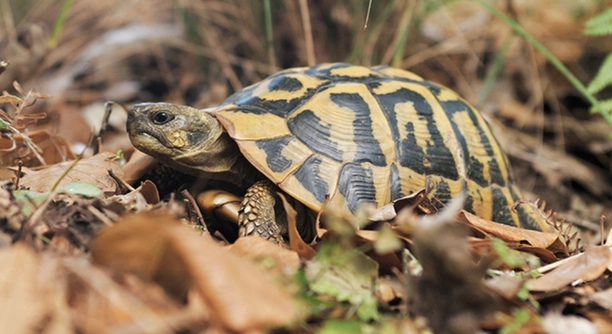
Hermann’s tortoises are charming pets, but they can face health challenges that might be difficult to spot. Understanding the potential causes of illness can help you provide the best care for your shelled companion.
Several factors can contribute to a Hermann’s tortoise becoming sick, such as improper diet, insufficient UVB lighting, poor humidity, stress, parasites, incorrect temperature, and environmental hazards. Ensuring proper care in these areas is essential for their well-being.
Identifying these factors early on can make a significant difference in your tortoise’s health. Understanding what might be affecting them is the first step toward offering the care they need.
Improper Diet
A Hermann’s tortoise’s health is heavily influenced by its diet. Without the right balance of nutrients, they can develop several health issues. A diet too high in protein or lacking in essential vitamins can cause problems like shell deformities, respiratory issues, or kidney problems. Feeding them mostly leafy greens and grasses ensures they get the right nutrients without overloading on anything harmful. Be sure to avoid feeding them too many fruits, which are high in sugars and can lead to obesity or digestive issues.
The variety of foods offered should mimic what they would find in their natural habitat, which consists mainly of plants and vegetation. Overfeeding certain foods, such as lettuce, can also cause diarrhea. A good practice is to feed your tortoise a mix of dark leafy greens, herbs, and grasses, which offer the vitamins and minerals they need for proper growth.
If you suspect that your tortoise is not thriving on its diet, it’s best to reassess the food options and make sure you’re providing the correct proportions. A balanced approach will help keep your pet healthy and happy.
Inadequate Lighting
Hermann’s tortoises need UVB lighting to maintain their health, especially to absorb calcium properly. Without UVB exposure, they are at risk of developing metabolic bone disease and other related problems.
Proper lighting is crucial for your tortoise’s shell and bone health. UVB light helps synthesize vitamin D3, which aids in calcium absorption. In the wild, tortoises get UVB from sunlight, but in captivity, it’s essential to use a good-quality UVB bulb that mimics natural light. The bulb should be placed close enough to your tortoise’s basking area to be effective, and it should be replaced every 6 to 12 months, as the UVB output weakens over time.
Ensure the lighting is balanced with the right amount of heat. An ideal basking spot should be between 85-90°F, which helps your tortoise digest food and stay active. Without proper lighting, your Hermann’s tortoise will not thrive, and its overall health will decline.
Poor Humidity
Hermann’s tortoises need proper humidity levels to stay healthy. Too low or too high humidity can cause respiratory issues or shell problems. It’s important to maintain the right balance for their well-being.
The ideal humidity level for Hermann’s tortoises should be around 50-60%. This can be achieved by spraying their enclosure with water, using a humidity gauge, and keeping the environment stable. When the humidity is too low, it can cause dehydration, making it harder for your tortoise to shed its skin properly. On the other hand, too much moisture can lead to fungal infections or respiratory distress.
Maintaining the right humidity level will also help your tortoise feel more comfortable, which can reduce stress and keep it active. Consider adding a water dish for hydration, but make sure it’s shallow enough to prevent drowning. Regularly monitor and adjust the humidity levels to meet their needs.
Stress
Stress can seriously affect a Hermann’s tortoise’s health. Overcrowded enclosures, loud environments, and handling too frequently can cause anxiety. Stress weakens their immune system, making them more susceptible to illness.
Creating a calm and safe environment for your tortoise is key to preventing stress. Ensure that their living space is quiet, spacious, and comfortable. It’s also crucial not to handle them too often, as frequent handling can make them feel unsafe. If you need to clean their enclosure or interact with them, be gentle and avoid disturbing their routine.
A stressed tortoise might stop eating or become lethargic. By maintaining a peaceful environment and limiting disruptions, you can help your tortoise stay relaxed and healthy. This will also reduce the risk of health issues related to stress, ensuring a better quality of life.
Parasites
Parasites can pose a significant health risk to your Hermann’s tortoise. These can include internal parasites like worms or external ones like mites. If untreated, they can lead to malnutrition or skin issues.
Regularly check your tortoise for signs of parasites, such as changes in behavior or visible skin lesions. If you suspect a problem, consult a veterinarian for treatment options.
Parasites are often contracted through contaminated food, water, or bedding. Keeping the habitat clean and providing fresh food can help reduce the risk. If your tortoise appears lethargic, stops eating, or loses weight, it could be a sign of parasitic infection.
Incorrect Temperature
Temperature is crucial for a Hermann’s tortoise. If the habitat is too hot or cold, it can lead to digestive and metabolic issues. The proper temperature range is essential for maintaining health.
A basking area should be between 85-90°F, while the cooler side of the enclosure should be around 70-75°F. Extreme temperatures can cause stress and hinder your tortoise’s ability to digest food properly.
Proper temperature control helps with digestion and activity levels. A heat lamp should be used to provide a warm spot while ensuring the rest of the enclosure offers a cooler area for your tortoise to regulate its body temperature.
Environmental Hazards
Environmental hazards in the enclosure can cause harm to your Hermann’s tortoise. Sharp objects, toxic plants, or improper flooring can lead to injuries or poisoning.
Ensure your tortoise’s enclosure is free from sharp rocks or dangerous materials. Also, be mindful of the plants they are exposed to, as many common houseplants are toxic to reptiles. Replace unsafe substrates with materials that are gentle on their feet and easy to clean.
FAQ
What is the best diet for a Hermann’s tortoise?
The best diet for a Hermann’s tortoise includes a variety of dark leafy greens, grasses, and herbs. These foods provide the right balance of nutrients, vitamins, and minerals. Avoid too many fruits, as they can be too high in sugar. You should also ensure your tortoise has access to fresh water at all times. A well-rounded diet should mimic what they would naturally eat in the wild.
How often should I feed my Hermann’s tortoise?
Hermann’s tortoises should be fed daily, but their portions should be adjusted based on age and activity levels. Younger tortoises may need more food to support their growth, while adults require smaller portions. Offering food in the morning and removing any uneaten food by the evening is a good practice to avoid spoilage and pests.
How do I maintain the correct temperature for my Hermann’s tortoise?
Maintaining the right temperature is essential for a Hermann’s tortoise. Use a heat lamp to create a basking area that stays between 85-90°F. The cooler side of the enclosure should be kept around 70-75°F. A temperature gradient is important, as it allows your tortoise to regulate its body temperature by moving between warmer and cooler areas.
What is the ideal humidity for a Hermann’s tortoise?
The ideal humidity for Hermann’s tortoises is around 50-60%. Too low humidity can lead to dehydration and skin issues, while too much moisture can cause respiratory problems or fungal infections. Keep their enclosure well-ventilated and use a humidity gauge to monitor levels. Light misting in the enclosure can help maintain humidity, but avoid excess moisture buildup.
Can I use a regular light bulb for my tortoise’s enclosure?
A regular light bulb will not provide the UVB rays necessary for your tortoise’s health. UVB lighting is essential for calcium absorption and overall bone health. Make sure to use a UVB bulb designed for reptiles, as it will mimic the sun’s natural rays. Replace the bulb every 6 to 12 months to maintain its effectiveness.
How can I tell if my Hermann’s tortoise is stressed?
Stress in Hermann’s tortoises can manifest in several ways. They may stop eating, become lethargic, or hide more often than usual. If they are constantly pacing or seem agitated, it could be a sign of stress. Common stressors include overcrowded enclosures, frequent handling, or a noisy environment. Creating a calm, quiet space for your tortoise will help minimize stress.
How long do Hermann’s tortoises live?
Hermann’s tortoises can live anywhere from 50 to 100 years, depending on their care. Providing a proper diet, a stable environment, and regular health check-ups can help extend their lifespan. These tortoises are known for their longevity, so it’s important to be prepared for the long-term commitment required to care for them.
Why is my Hermann’s tortoise not eating?
If your tortoise is not eating, it could be due to several factors, including stress, incorrect temperature, or poor diet. Check if the temperature is within the ideal range and ensure the enclosure is calm and quiet. If these factors seem fine and your tortoise still refuses food, consult a veterinarian to rule out any health issues.
How often should I clean my Hermann’s tortoise’s enclosure?
Cleaning your tortoise’s enclosure is important for maintaining a healthy living environment. Remove uneaten food daily to prevent bacteria buildup. A thorough cleaning, including washing the substrate and disinfecting surfaces, should be done every two weeks or as needed. Ensure that the enclosure is dry and well-ventilated to avoid excess moisture that could lead to mold or other issues.
Can I house my Hermann’s tortoise with other reptiles?
It’s generally not recommended to house Hermann’s tortoises with other reptiles, as different species have different environmental needs. Some reptiles may also carry diseases that can affect your tortoise. If you decide to house them together, make sure each animal has its own space and is monitored closely for signs of stress or aggression.
What should I do if my Hermann’s tortoise gets sick?
If you notice signs of illness, such as lethargy, swelling, or changes in behavior, it’s important to consult a veterinarian. A reptile vet can help diagnose and treat health issues promptly. Don’t delay seeking medical attention, as untreated illnesses can worsen and impact your tortoise’s long-term health.
How do I provide proper lighting for my Hermann’s tortoise?
To provide proper lighting, use a UVB bulb designed for reptiles. Place it over the basking area to ensure your tortoise gets the UVB exposure it needs. The UVB bulb should be replaced every 6 to 12 months, as its effectiveness decreases over time. Additionally, the basking area should have a heat lamp to maintain the proper temperature.
Final Thoughts
Caring for a Hermann’s tortoise requires understanding their specific needs and ensuring their environment is safe and comfortable. These reptiles have a long lifespan, which makes proper care even more important. With the right diet, temperature, and habitat, your tortoise can live a healthy, active life. Regularly monitor their behavior, health, and living conditions to catch any potential problems early. Taking these steps will help you create an environment where your tortoise thrives.
While Hermann’s tortoises are relatively low-maintenance pets, their unique care requirements should not be overlooked. They need a balanced diet of leafy greens, grasses, and occasional protein, as well as access to fresh water. Maintaining the right temperature and humidity in their enclosure is key to keeping them healthy. In addition to diet and environment, proper lighting is crucial for their health, as UVB light helps them process calcium and stay active. Consistent care and attention to these details can prevent common health issues.
In the long run, the effort you put into caring for your Hermann’s tortoise will pay off. They are hardy creatures, but their well-being is directly linked to the quality of care they receive. By following the guidelines for diet, habitat, and health checks, you ensure that your tortoise has the best chance for a long, happy life. Whether you’re a first-time pet owner or have experience with reptiles, understanding the needs of your Hermann’s tortoise is the first step toward providing the care it deserves.

Hello,
If you enjoy the content that we create, please consider saying a "Thank You!" by leaving a tip.
Every little bit helps us continue crafting quality advice that supports the health, happiness, and well-being of pets around the world, for pets of all shapes, sizes, and species.
We really appreciate the kindness and support that you show us!