
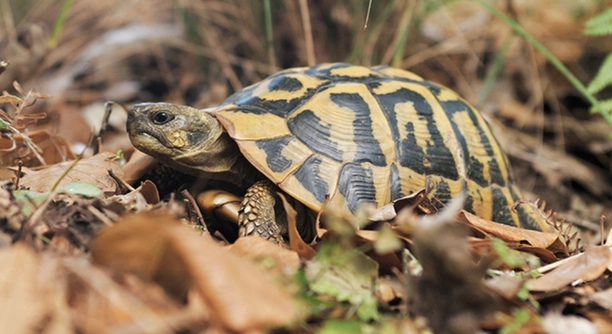
Hermann’s tortoises are charming pets, but they can face health issues like shell rot. Understanding the early signs of shell rot is important for keeping them healthy and happy. This article will help guide you in recognizing the symptoms.
Shell rot in Hermann’s tortoises is often indicated by soft, discolored areas on the shell that may emit a foul odor. These patches can worsen if left untreated, leading to infection and further damage to the shell and underlying tissue.
Shell rot can be a serious issue, but learning the signs early can prevent severe damage. Knowing how to spot it will help ensure your tortoise stays safe and comfortable. Keep reading to learn more about identifying shell rot.
Soft, Mushy Areas on the Shell
One of the first signs of shell rot in Hermann’s tortoises is the appearance of soft, mushy areas on their shells. These spots feel spongy to the touch and may even sink when pressure is applied. It’s essential to regularly inspect your tortoise’s shell, especially after it has been exposed to moisture or humidity for long periods. Left unchecked, these areas can deepen and spread, damaging the shell’s structure. In some cases, the soft patches may start to emit an unpleasant odor, which signals that the infection is advancing. Prompt treatment is crucial to prevent further complications.
If you notice this softness on your tortoise’s shell, it’s time to act quickly. A vet visit is necessary to assess the severity and provide the right treatment.
The soft spots could worsen if ignored, and in severe cases, it may even lead to bone exposure. Keeping your tortoise’s habitat dry and well-maintained can reduce the likelihood of developing this issue. Regular cleaning and proper humidity control are key to avoiding shell rot in the first place.
Discoloration or Foul Odor
Foul odors or discoloration are common signs of an infected shell. Infected areas may turn yellow, brown, or even black, often indicating an advanced stage of rot. A strong, unpleasant smell is a clear warning sign. These symptoms should not be ignored. When caught early, shell rot is easier to treat and reverse.
The rot starts affecting the shell’s layers, causing tissue to break down. As the infection worsens, the shell may deteriorate, leading to irreversible damage. Keeping your tortoise clean, dry, and in a stable environment will help prevent this.
Discharge Around the Shell
If you notice any discharge or leaking fluid around your tortoise’s shell, it’s a sign of an infection. The discharge may be watery or pus-like, depending on the stage of rot. It’s essential to address this symptom quickly, as it can lead to serious health issues for your tortoise if left untreated.
The discharge often appears when the rot has spread beneath the shell’s outer layers. Infected tissue breaks down, leading to the release of fluid. If you spot this, consult a veterinarian immediately to prevent further infection. Keeping the tortoise’s living conditions clean and dry can help prevent fluid buildup and encourage faster healing.
Make sure to regularly clean the area around the tortoise’s shell to prevent bacteria from growing. The right humidity levels are important to avoid making the situation worse. Discharge can worsen over time, so acting quickly will increase your tortoise’s chances of recovery.
Swelling and Softness in the Legs
Swelling around the legs or limb joints can indicate that the infection has spread to other parts of the tortoise’s body. This can cause difficulty moving or walking. If you notice unusual swelling in these areas, it may be time to seek veterinary help.
The infection may cause fluid to accumulate, leading to visible puffiness in the limbs. It can also cause discomfort, making your tortoise more lethargic and less active than usual. Swelling may worsen if left untreated, eventually spreading to other parts of the body, which can cause serious damage. Therefore, it’s crucial to act swiftly if you see this symptom.
To prevent this, ensure your tortoise is kept in an environment with proper humidity levels and clean bedding. The earlier you catch these signs, the easier it will be to treat and stop the infection from spreading. Regular checks will help you spot swelling before it becomes a bigger issue.
Change in Behavior
A noticeable change in behavior, like lethargy or decreased appetite, can be an indication of shell rot. Your tortoise may become less active, refusing to eat or drink, signaling discomfort or pain. This change often happens as the infection worsens.
Your tortoise may hide more often or seem uninterested in its usual activities. Shell rot causes discomfort, which can make your tortoise retreat to a quiet, dark area. If you notice these changes, a vet consultation is necessary to prevent further deterioration.
Unusual Shell Cracks or Deformities
Cracks or deformities on the shell may indicate advanced stages of shell rot. These may appear as visible holes or uneven surfaces, which are the result of the underlying tissue breaking down. These physical changes signal that the infection has gone deeper.
Deformed areas can make the shell weaker, leaving it more vulnerable to further damage. It’s important to take immediate action to treat the infection before the shell becomes irreparably damaged. The cracks may worsen without prompt care, leading to more severe health problems for your tortoise.
FAQ
What causes shell rot in Hermann’s tortoises?
Shell rot in Hermann’s tortoises is typically caused by poor habitat conditions, especially excessive moisture and inadequate ventilation. When a tortoise’s shell is exposed to wet conditions for prolonged periods, it can lead to infections. Bacteria or fungi thrive in damp environments, which can break down the shell’s outer layers and lead to rot. In some cases, improper diet or a lack of calcium can weaken the shell, making it more susceptible to infections. Keeping the habitat dry and clean is crucial in preventing shell rot.
How can I prevent shell rot in my tortoise?
To prevent shell rot, maintain a clean, dry, and well-ventilated environment. Regularly clean the tortoise’s enclosure to remove excess moisture, mold, or waste. Providing a proper balance of humidity and temperature is key—avoid overly humid conditions, and ensure that your tortoise has a dry, sunlit area to bask. Offering a proper diet with plenty of calcium will also help strengthen the shell. Regularly inspect your tortoise’s shell for any signs of damage or infection so that you can catch issues early.
Can shell rot be treated at home?
While mild cases of shell rot may be treatable at home, severe infections usually require veterinary attention. For minor issues, you can clean the affected area with an antiseptic solution and keep the shell dry to prevent further infection. However, if the infection is severe, a veterinarian may need to remove the infected tissue and prescribe medication or antibiotics. Trying to treat a serious case of shell rot without professional guidance can worsen the condition and cause more harm to your tortoise.
How do I recognize the early signs of shell rot?
Early signs of shell rot include soft, mushy patches on the shell that may feel spongy when touched. These patches can sometimes have a slight odor. Discoloration, such as yellow or darkened areas on the shell, may also appear. If you notice any unusual changes in behavior, like lethargy or a lack of appetite, it may indicate an underlying issue such as shell rot. Regularly checking your tortoise’s shell for these signs will help you catch the problem before it becomes too severe.
What should I do if I think my tortoise has shell rot?
If you suspect shell rot, it’s best to act quickly. First, remove any excess moisture from the enclosure and ensure your tortoise has a dry, clean space to recover. If the symptoms are mild, you can clean the shell gently with an antiseptic solution and monitor for improvement. However, if you notice signs of infection, such as foul-smelling discharge, significant swelling, or the infection spreading, take your tortoise to the vet immediately. They can provide proper treatment to prevent further damage and infection.
Can shell rot be fatal?
If left untreated, shell rot can lead to serious health problems and may be fatal. As the infection worsens, it can damage the shell’s underlying bone structure, leading to irreversible harm. In extreme cases, untreated rot can cause septicemia, a life-threatening blood infection. Early detection and treatment are essential to prevent fatal outcomes. With prompt medical attention, tortoises with shell rot can recover and lead healthy lives.
How long does it take for a tortoise to recover from shell rot?
The recovery time for shell rot depends on the severity of the infection. Mild cases may heal in a few weeks with proper treatment, while more severe cases may take months to fully recover. A veterinarian will help monitor your tortoise’s progress and advise on the necessary steps for healing. During recovery, it’s important to maintain the tortoise in a clean, dry environment and avoid conditions that could cause further irritation or infection.
Can shell rot spread to other tortoises?
Yes, shell rot can potentially spread to other tortoises if they come into contact with infected material or share the same habitat. To prevent this, it’s important to isolate any tortoises showing signs of shell rot and thoroughly disinfect the enclosure. Avoid letting multiple tortoises use the same basking area or living space until the infection is cleared up. Regular cleaning and good hygiene practices can reduce the risk of spreading infections between animals.
What should I feed my tortoise to prevent shell rot?
A balanced diet is essential for preventing shell rot and promoting overall health. Hermann’s tortoises need a variety of leafy greens, grasses, and occasional vegetables. Calcium is vital for shell and bone health, so ensure your tortoise gets enough calcium through food or supplements. Avoid feeding them high-protein foods or those too rich in sugar, as this can lead to health problems. A proper diet will help strengthen the shell, making it more resistant to infections and less likely to develop rot.
Is shell rot contagious to humans or other pets?
Shell rot is not contagious to humans or other pets. The bacteria or fungi causing the infection are specific to tortoises and reptiles. However, it is always a good idea to wash your hands after handling a tortoise or cleaning its enclosure to avoid the spread of any bacteria. It’s also important to clean any tools, like brushes or tanks, that you use to care for your tortoise to maintain a hygienic environment.
Final Thoughts
Shell rot is a serious condition that can affect Hermann’s tortoises if not detected and treated early. Keeping your tortoise’s shell healthy starts with providing a clean, dry, and well-maintained habitat. Regular checks for signs of shell rot are crucial in preventing the infection from progressing. Early intervention is key to ensuring your tortoise recovers without permanent damage. If you notice any unusual changes in behavior, shell appearance, or the presence of discharge, it’s important to seek veterinary help promptly.
A healthy environment is essential for your tortoise’s well-being. Make sure their living space is free from excess moisture, as damp conditions are a common cause of shell rot. Good ventilation and appropriate humidity levels will help maintain the balance necessary to prevent bacterial or fungal growth. Regularly clean the enclosure and make sure your tortoise has access to a basking area with proper lighting. Diet also plays a major role in maintaining a strong and healthy shell, so offering the right balance of nutrients, especially calcium, is important for overall health.
In the case of shell rot, treatment is often straightforward but depends on the severity of the condition. If caught early, simple changes to the habitat or gentle cleaning can help, but more advanced cases may require professional care. Regardless of the severity, it’s always best to consult a veterinarian when in doubt. With proper care and attention, most tortoises recover well from shell rot. Being proactive in monitoring your tortoise’s health can help ensure they stay safe, healthy, and happy for years to come.

Hello,
If you enjoy the content that we create, please consider saying a "Thank You!" by leaving a tip.
Every little bit helps us continue crafting quality advice that supports the health, happiness, and well-being of pets around the world, for pets of all shapes, sizes, and species.
We really appreciate the kindness and support that you show us!