
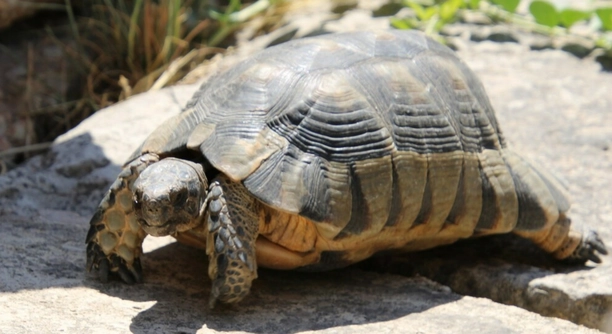
Are you concerned about your marginated tortoise shedding more than usual?
Excessive shedding in marginated tortoises can result from a variety of factors, including improper humidity levels, diet imbalances, or stress. These issues may affect their skin and shell health, leading to more frequent shedding than normal.
Understanding the causes behind this behavior can help you address the issue early and prevent potential complications. We’ll explore these reasons and offer helpful tips to ensure your tortoise stays healthy and comfortable.
Improper Humidity Levels
One common reason for excessive shedding in marginated tortoises is inadequate humidity. Tortoises require a specific range of humidity to maintain healthy skin and shell. If the humidity in their enclosure is too low, it can cause their skin to dry out, leading to more shedding. On the other hand, if it’s too high, it can result in fungal or bacterial growth, which can also cause shedding issues. The ideal humidity for a marginated tortoise is usually between 50% and 70%. It’s important to monitor the environment and make adjustments as needed, especially during seasonal changes.
Ensuring the right humidity is crucial for your tortoise’s well-being. Use a hygrometer to monitor the humidity levels inside their enclosure regularly.
Creating a comfortable and stable environment for your tortoise helps prevent the stress that often leads to abnormal shedding. Be mindful of the humidity in your tortoise’s habitat and make sure it’s consistent. Humidity can be adjusted through misting, adding a water dish, or using a humidifier. Always keep an eye on how your tortoise responds to these adjustments, as each one may have unique needs. Regularly check for signs of dehydration or fungal growth, as these are indicators that humidity needs attention.
Poor Diet and Nutrition
A diet lacking in essential nutrients is another key factor affecting your tortoise’s shedding. Without proper vitamins, minerals, and fiber, your tortoise may shed excessively. A balanced diet for a marginated tortoise includes leafy greens, high-fiber vegetables, and occasional fruits. If their diet is too limited or lacks variety, this can lead to unhealthy skin and shell conditions.
A proper diet helps prevent shedding related to malnutrition.
When feeding your marginated tortoise, aim for a variety of plant-based foods. Offer dark leafy greens like collard greens, dandelion leaves, and mustard greens. Avoid foods high in oxalates, like spinach, as they can cause calcium deficiency. You may also consider adding a calcium supplement to their diet to support shell health. Remember to avoid feeding your tortoise too much fruit or processed food, as this can lead to obesity and other health concerns. Regularly offering fresh food helps maintain skin health and prevents excessive shedding from dietary deficiencies.
Stress and Environmental Changes
Stress can lead to unexpected shedding in marginated tortoises. Any changes to their environment, like moving them to a new enclosure or introducing new pets, can cause stress and trigger more shedding. Tortoises are sensitive creatures, and shifts in their surroundings can be overwhelming.
Creating a stable, quiet environment helps reduce stress-related shedding.
If your tortoise has been exposed to frequent handling, loud noises, or an unstable living situation, this could be contributing to excess shedding. You should ensure their enclosure is placed in a calm area, away from sudden disturbances. It’s also important to keep handling to a minimum to avoid additional stress. Changes in temperature or lighting can also affect your tortoise’s stress levels, so make sure these elements are consistent. The goal is to maintain a peaceful space that minimizes discomfort and anxiety, encouraging healthy shedding patterns.
Inadequate Lighting
Proper lighting plays a significant role in your tortoise’s health. Marginated tortoises require exposure to UVB light for about 10-12 hours a day to help them absorb calcium and maintain healthy skin. Without proper UVB lighting, they can suffer from shell issues, including excessive shedding.
Invest in a good quality UVB light to ensure your tortoise thrives.
UVB light is essential for your tortoise’s overall well-being and preventing shell shedding issues. If they don’t get the proper amount of UVB, their shells can become soft or weak. This can lead to discomfort and the need for more frequent shedding. You can achieve this by using a high-quality UVB bulb that provides adequate UVB rays. Make sure the bulb is positioned correctly to offer a direct source of light, and replace it regularly, as UVB bulbs lose their effectiveness over time. Proper lighting combined with a balanced diet will keep your tortoise’s shell strong and help reduce shedding.
Overheating or Cold Stress
Marginated tortoises are sensitive to temperature extremes, and both overheating and cold stress can cause shedding. If your tortoise’s enclosure is too hot or too cold, it can lead to skin shedding or shell problems.
Ensure that your tortoise has a consistent temperature range to avoid stress.
The ideal temperature for a marginated tortoise’s habitat should be between 75°F and 85°F during the day, with a cooler area where they can retreat if they need to lower their body temperature. Using a thermometer to monitor these temperatures will help you avoid sudden shifts. If your tortoise is kept outside, make sure to bring them indoors when the weather is too extreme. On the flip side, if your tortoise becomes too hot, it can experience dehydration and excessive shedding. Always maintain a stable, comfortable environment for optimal health.
Shell Rot or Fungal Infections
Fungal infections or shell rot can cause shedding due to the damage they cause to the tortoise’s shell. These conditions typically result from high humidity combined with poor ventilation or unclean living conditions.
Proper hygiene and ventilation are key to preventing fungal issues.
Maintaining clean living conditions is vital to avoiding shell rot and fungal growth. Regularly disinfect the tortoise’s enclosure and remove any waste. Keep the substrate dry, and provide ample ventilation. If you notice your tortoise’s shell turning soft or discolored, consult a vet as soon as possible. With prompt treatment, most fungal infections and shell rot can be managed, but preventing them is always the best option.
FAQ
What is the normal amount of shedding for a marginated tortoise?
Marginated tortoises generally shed in small amounts over time. It’s normal for them to shed their skin and scutes (the hard plates on their shell) periodically. Typically, shedding occurs during their growth phases or when they are stressed. The amount can vary, but shedding should never be excessive or constant. If you notice large patches of skin or shell coming off regularly, it could be a sign of an underlying issue like diet problems, environmental stress, or health concerns.
How can I tell if my tortoise is shedding too much?
If your tortoise is shedding more than usual, you’ll likely notice patches of skin or shell coming off frequently or in large chunks. It may seem like their shedding is non-stop or that their shell is becoming damaged. If the shedding is accompanied by signs of illness, such as loss of appetite, lethargy, or abnormal behavior, this could indicate a more serious problem. Keep an eye on their overall health to determine if the shedding is excessive.
Can stress really cause my tortoise to shed more?
Yes, stress can play a significant role in excessive shedding. When a tortoise feels threatened or uncomfortable, it may shed more frequently as part of its body’s stress response. Factors like loud noises, frequent handling, changes in the environment, or the introduction of new pets can trigger stress in your tortoise. It’s important to provide a calm, stable environment to help prevent this type of shedding. Try to minimize any stressors in their surroundings to maintain their comfort and health.
What can I do if my tortoise is shedding too much due to humidity issues?
If you suspect that your tortoise’s shedding is related to humidity levels, you can adjust the environment to better suit their needs. Make sure the humidity inside their enclosure is between 50% and 70%. If it’s too low, you can add a humidifier or mist their enclosure regularly to increase moisture. If it’s too high, improve ventilation and consider moving them to a dryer area. Proper humidity helps maintain healthy skin and shell, preventing excessive shedding.
Is there a specific diet to help prevent excessive shedding?
Yes, a balanced diet is crucial for reducing excessive shedding. Make sure your marginated tortoise is eating a variety of leafy greens, high-fiber vegetables, and some fruits. Foods like dandelion greens, collard greens, and kale are good options. You should avoid high-oxalate foods like spinach, which can interfere with calcium absorption. In addition, adding a calcium supplement to their diet can help keep their shell strong and healthy. A proper diet can prevent shedding caused by malnutrition or deficiencies.
Can a marginated tortoise shed its shell?
No, a tortoise does not shed its entire shell like it does its skin. Instead, it sheds small pieces of scutes, the individual sections of its shell, over time. This shedding usually happens gradually and is a natural part of growth or recovery. However, if the shell begins to soften or show signs of damage, such as cracks, it could be an indication of a health issue, like shell rot or fungal infection.
How do I know if my tortoise has a fungal infection or shell rot?
Signs of a fungal infection or shell rot include soft, mushy patches on the shell, a foul odor, or discoloration. If your tortoise’s shell starts to look abnormal—especially if it becomes soft or starts flaking excessively—these could be signs of infection or rot. You should immediately consult a vet for a proper diagnosis and treatment. Early intervention is key to preventing long-term damage to their shell and overall health. Keeping your tortoise’s environment clean and well-ventilated can help reduce the risk of these issues.
How often should I bathe my marginated tortoise?
Bathing your tortoise can help with hydration, especially if it’s shedding more than usual. A bath can also help with skin shedding and provide them with some extra moisture. It’s a good idea to bathe your tortoise once or twice a week, depending on its needs. Always use lukewarm water and make sure your tortoise doesn’t stay in the bath for too long—15 to 20 minutes should be sufficient. Never use soap, as this can irritate their skin. After the bath, make sure they are dried off and placed in a warm, dry area.
How can I make my tortoise feel comfortable and reduce shedding?
Creating a comfortable and stable environment for your tortoise is essential. Make sure their enclosure has the right temperature, humidity, and lighting to prevent stress. A consistent day and night cycle of light and darkness is important for their natural rhythms. Minimize handling and ensure they have plenty of space to move around. Offering a varied and healthy diet and keeping their environment clean will also help reduce unnecessary shedding. Your tortoise will feel more secure and relaxed, which should lead to less frequent or excessive shedding.
Are there any medications or treatments for excessive shedding?
Excessive shedding usually indicates an underlying issue, such as poor diet, humidity problems, or stress. In these cases, the best treatment is to address the root cause rather than relying on medications. If you’re unsure, or if your tortoise is showing other signs of illness, it’s best to consult a vet who specializes in reptiles. The vet can help determine whether there is an infection, injury, or health condition causing the shedding. In some cases, topical treatments or changes to diet and environment might be recommended.
Should I be worried if my tortoise sheds more in the winter?
It’s common for tortoises to shed a bit more during colder months. Changes in temperature and light cycles can naturally affect their shedding patterns. In winter, the lower humidity and lack of UVB light can also contribute to skin and shell issues. To help, ensure that your tortoise is kept in a warm, humid environment with access to UVB light. You can also increase humidity by misting the enclosure or adding a humidifier. Regular baths can also help maintain hydration during this period.
Final Thoughts
Understanding why your marginated tortoise might be shedding more than usual is important for maintaining its overall health. Shedding is a natural process, but when it becomes excessive, it’s usually a sign that something isn’t quite right. The reasons behind this could range from environmental issues, like temperature or humidity imbalances, to diet and stress. By paying attention to these factors, you can help ensure that your tortoise is shedding in a healthy, natural way and not due to preventable issues.
Creating a stable and comfortable environment for your tortoise is essential. Keeping the enclosure at the right temperature, maintaining proper humidity levels, and providing UVB light will support your tortoise’s health. Stress is another factor to consider; too much disturbance in their environment can cause them to shed more than usual. By reducing stress and providing a peaceful, consistent space, you’ll help your tortoise thrive. Regularly checking on these elements will allow you to address any problems before they get worse.
Lastly, a balanced diet plays a significant role in reducing excessive shedding. Make sure your tortoise gets the right nutrients, including calcium and fiber, from a variety of greens and vegetables. Avoid overfeeding fruits or processed foods, as these can lead to health issues. If shedding continues or becomes concerning despite making these changes, don’t hesitate to consult a vet. With a little attention to detail and care, you can ensure your marginated tortoise stays happy and healthy.

Hello,
If you enjoy the content that we create, please consider saying a "Thank You!" by leaving a tip.
Every little bit helps us continue crafting quality advice that supports the health, happiness, and well-being of pets around the world, for pets of all shapes, sizes, and species.
We really appreciate the kindness and support that you show us!