
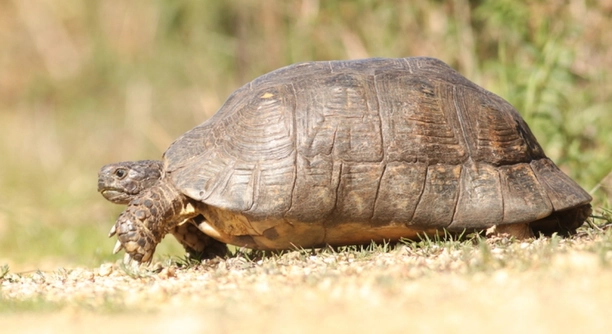
Do you ever find yourself wondering what the best substrate and bedding are for your Marginated tortoise? Providing the right environment is essential for their health, comfort, and overall well-being. Choosing the wrong materials can lead to issues like respiratory problems and shell deformities.
The best substrate and bedding for Marginated tortoises are a mix of topsoil and play sand, or coconut coir. These options help maintain proper humidity, allow for natural burrowing behavior, and prevent impaction, ensuring a safe and comfortable habitat.
Creating the perfect setup for your tortoise involves more than just picking a substrate. Factors like humidity, cleanliness, and burrowing needs all play a role in their overall well-being. Understanding these details will help you build the ideal habitat for your pet.
Choosing the Right Substrate for Marginated Tortoises
A Marginated tortoise needs a substrate that mimics its natural environment. A mix of topsoil and play sand is a great choice because it provides the right texture for burrowing and helps regulate humidity levels. Coconut coir is another option that retains moisture well without becoming too compact. Avoid using materials like cedar or pine shavings, as they release harmful oils that can cause respiratory issues. Paper-based bedding may seem convenient, but it does not support natural behaviors and can create a dry, uncomfortable habitat. Choosing a safe, natural substrate will help your tortoise feel comfortable and stay healthy.
Loose, natural substrates allow tortoises to dig and bury themselves, which is essential for their well-being. A substrate depth of at least two to three inches is ideal for encouraging natural behaviors. Keeping the substrate slightly damp prevents excessive dryness without creating a damp environment.
Regular maintenance is necessary to keep the substrate clean and safe. Spot-cleaning daily helps remove waste and uneaten food, preventing bacteria buildup. Fully replacing the substrate every few weeks ensures a fresh and healthy habitat. If using soil, make sure it is free from fertilizers or chemicals. A well-maintained substrate promotes a healthy shell, strong limbs, and overall well-being.
Best Bedding Materials to Use
Not all bedding materials are suitable for Marginated tortoises. Some options can cause health problems, while others fail to provide a comfortable habitat. It is important to choose a material that is safe, absorbent, and easy to maintain.
Coconut coir and cypress mulch are excellent choices because they retain moisture without molding. These materials help regulate humidity, preventing shell problems and respiratory issues. Orchid bark is another good option that mimics the natural forest floor, making it comfortable for burrowing. Aspen shavings, while popular for other reptiles, can become too dry and dusty, irritating a tortoise’s respiratory system. Straw and hay may seem like natural choices, but they can develop mold quickly and are not absorbent enough. Artificial bedding, such as reptile carpets, is not recommended because it does not allow for digging and can trap bacteria.
Providing the right bedding ensures a comfortable and healthy environment. Keeping it clean and replacing it regularly prevents bacteria buildup and odors. A well-chosen bedding material supports natural behaviors, keeps humidity levels stable, and helps prevent potential health issues.
Maintaining Proper Humidity and Temperature
Marginated tortoises need a balanced environment to stay healthy. Keeping humidity levels between 50% and 60% prevents dehydration and shell issues. Using a hygrometer helps track humidity, while misting the substrate lightly each day can keep it at the right level without making it too damp.
A basking area with a temperature of around 95°F helps with digestion and overall health. The cooler side of the enclosure should be around 75°F to allow for temperature regulation. Using a heat lamp and UVB light ensures proper warmth and essential vitamin D3 absorption. Without these, a tortoise may develop metabolic bone disease, leading to weak bones and deformities. Placing thermometers in different parts of the enclosure helps maintain a stable temperature.
Nighttime temperatures should not drop below 65°F. If the room is too cold, a ceramic heat emitter can provide warmth without emitting light. Avoid using heat mats under the enclosure, as they can create uneven heating and dry out the substrate. Keeping temperatures stable prevents stress and health problems, ensuring a comfortable habitat for your tortoise.
Cleaning and Replacing Substrate
Dirty substrate can lead to bacterial growth and health issues. Spot-cleaning daily removes waste and uneaten food, preventing odors and harmful bacteria buildup. Mixing the substrate occasionally helps distribute moisture evenly, keeping the habitat fresh and comfortable for your tortoise.
Completely replacing the substrate every three to four weeks is necessary to maintain cleanliness. If the enclosure has a strong odor or looks excessively damp, an earlier change may be needed. When switching out the substrate, wiping down the enclosure with a reptile-safe disinfectant helps eliminate lingering bacteria. Avoid using harsh chemicals, as they can leave harmful residues.
A clean habitat reduces the risk of infections and respiratory problems. Washing food and water dishes daily prevents mold and bacteria from spreading. Good hygiene practices keep your tortoise’s environment safe and comfortable, supporting its long-term health.
Common Substrate Mistakes to Avoid
Using the wrong substrate can cause serious health problems. Sand alone is too dry and can lead to impaction if ingested. Cedar and pine shavings release harmful oils that irritate the respiratory system. Reptile carpets may seem convenient but trap bacteria and do not allow for natural burrowing.
Overly damp substrate can create a breeding ground for mold and bacteria, increasing the risk of respiratory infections. Using chemically treated soil or mulch exposes tortoises to toxic substances. Failing to replace substrate regularly leads to waste buildup and unpleasant odors. Choosing a safe, natural substrate and keeping it clean prevents these issues.
Signs of an Unhealthy Substrate
If a tortoise is frequently sneezing, has watery eyes, or seems less active, the substrate may be causing respiratory problems. A dry, flaky shell or skin indicates that humidity levels are too low. Strong odors, mold growth, or excessive dampness in the enclosure signal the need for immediate substrate replacement.
Final Thoughts on Substrate Care
Providing the right substrate keeps a Marginated tortoise comfortable and healthy. Choosing natural materials, maintaining proper humidity, and keeping the habitat clean help prevent health problems. A well-maintained enclosure supports natural behaviors, allowing a tortoise to thrive in its environment.
FAQ
What is the best substrate mix for a Marginated tortoise?
A mix of topsoil and play sand is ideal because it provides a natural texture and allows for burrowing. Coconut coir is another good option, as it retains moisture well and helps maintain proper humidity. Cypress mulch and orchid bark can also be used, but avoid cedar and pine shavings since they release harmful oils. The substrate should be deep enough for digging, typically around two to three inches.
How often should I change the substrate?
Spot-cleaning should be done daily to remove waste and uneaten food. The entire substrate should be replaced every three to four weeks to prevent bacteria buildup and odors. If the substrate becomes excessively damp, moldy, or has a strong smell, replace it sooner. Regular maintenance keeps the habitat clean and safe.
Can I use sand as the only substrate?
Using only sand is not recommended because it can be too dry and lead to impaction if ingested. Mixing sand with topsoil creates a better balance, allowing for burrowing while reducing the risk of digestive issues. If a tortoise accidentally eats too much sand, it may develop blockages that require veterinary attention.
What humidity level is best for Marginated tortoises?
Marginated tortoises thrive in humidity levels between 50% and 60%. Keeping humidity too low can lead to dehydration and shell issues, while excessive moisture may cause respiratory infections. Lightly misting the substrate and using a hygrometer to monitor levels can help maintain the right balance.
Can I use newspaper or paper towels as bedding?
Newspaper and paper towels are not suitable as a permanent substrate because they do not support natural burrowing behaviors. They can be useful for temporary setups, such as quarantine enclosures, but long-term use may cause stress. Natural substrates like soil, coconut coir, or cypress mulch are better options.
Why does my tortoise dig into the substrate?
Digging is a natural behavior that helps tortoises regulate temperature and feel secure. If a tortoise burrows excessively, it may be trying to escape heat or dryness. Checking temperature and humidity levels ensures the environment is comfortable and prevents stress-related digging.
Is hay a good substrate choice?
Hay is not recommended as a primary substrate because it does not hold moisture well and can grow mold quickly. It also becomes compacted over time, making burrowing difficult. While hay can be used as additional enrichment, a loose, natural substrate is better for maintaining proper humidity and comfort.
Can I reuse substrate after cleaning it?
Reusing substrate is not advised because bacteria and waste particles can remain even after cleaning. Old substrate may contain hidden mold or parasites that could harm the tortoise. It is best to replace the substrate regularly with fresh, clean material to maintain a healthy environment.
What should I do if my tortoise eats substrate?
Occasionally ingesting small amounts of substrate is normal, but if a tortoise is eating large amounts, it could indicate a nutritional deficiency. Offering a well-balanced diet with calcium and fiber-rich foods can reduce this behavior. If signs of impaction occur, such as lack of appetite or constipation, seek veterinary care.
How can I keep the substrate from getting too dry?
Misting the enclosure lightly each day helps maintain moisture without making the substrate too wet. Using coconut coir or cypress mulch also helps retain humidity. Avoid placing the enclosure near heat vents or direct sunlight, as this can dry out the substrate quickly.
Final Thoughts
Providing the right substrate and bedding for a Marginated tortoise is essential for its overall health and well-being. A natural mix, such as topsoil with play sand or coconut coir, supports natural behaviors like burrowing and helps maintain proper humidity. Choosing the wrong materials can lead to respiratory issues, impaction, and other health problems. Regular maintenance, including daily spot-cleaning and full substrate replacement every few weeks, ensures a clean and safe environment. The right balance of moisture and ventilation helps prevent mold growth and keeps the enclosure comfortable. Paying attention to these details creates a habitat that promotes a tortoise’s long-term health.
Temperature and humidity play an important role in substrate maintenance. If the enclosure is too dry, the substrate may become dusty and cause irritation. On the other hand, excessive moisture can lead to bacterial growth and unpleasant odors. Using a hygrometer and thermometers ensures that conditions remain stable. Misting the substrate lightly each day can help regulate humidity without making it too damp. Additionally, providing a basking area with the right temperature allows the tortoise to regulate its body heat. A well-maintained habitat not only supports physical health but also reduces stress, allowing the tortoise to exhibit natural behaviors comfortably.
Keeping a Marginated tortoise’s enclosure clean and well-maintained requires consistency and attention to detail. Choosing a suitable substrate, monitoring humidity levels, and replacing bedding regularly all contribute to a safe and comfortable environment. Avoiding harmful materials like cedar shavings, reptile carpets, and overly dry substrates prevents potential health risks. While setting up the ideal habitat may take some effort, it greatly benefits the tortoise in the long run. A properly maintained enclosure ensures that the tortoise remains active, healthy, and stress-free. By making thoughtful choices and maintaining good hygiene, owners can create the best possible living space for their Marginated tortoise.

Hello,
If you enjoy the content that we create, please consider saying a "Thank You!" by leaving a tip.
Every little bit helps us continue crafting quality advice that supports the health, happiness, and well-being of pets around the world, for pets of all shapes, sizes, and species.
We really appreciate the kindness and support that you show us!