
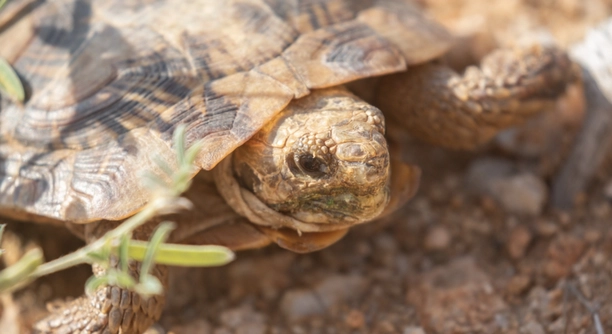
Swollen feet in pancake tortoises are a common concern among reptile owners. It can signal several potential health issues, but identifying the cause can help with a solution. In this article, we explore the causes and solutions for swollen feet.
Swollen feet in pancake tortoises can be caused by various factors, including improper humidity, infections, or injury. It is essential to address the underlying cause to prevent further discomfort and ensure the tortoise’s overall health and well-being.
Taking the right steps to care for your pancake tortoise can alleviate swelling and prevent future problems. We’ll walk you through common causes and their solutions, so your tortoise can feel better soon.
Improper Humidity Levels
When it comes to pancake tortoises, maintaining the right humidity is crucial for their health. If the enclosure is too dry, it can lead to dehydration and swelling, especially in their feet. The skin becomes dry and brittle, which can make it harder for the tortoise to shed its skin naturally, leading to discomfort. On the other hand, excessive humidity can create a breeding ground for bacteria, leading to infections and swelling.
To avoid this, make sure your tortoise’s habitat is in a balanced humidity range, ideally between 50-70%. Regularly check the humidity levels and adjust the enclosure by using a hygrometer. Keeping a water source in the tank helps, but ensure that it’s not too humid or too dry.
Proper humidity is essential for a healthy tortoise. Along with adjusting the environment, make sure your tortoise has access to fresh water and a dry area to retreat to. A stable environment with the right moisture levels will keep them comfortable and reduce the chances of foot swelling due to humidity issues.
Infection and Inflammation
Infections are another reason your tortoise’s feet may swell. Bacterial or fungal infections can enter through small cuts or abrasions on their feet. These infections often cause redness, swelling, and heat around the affected area. If left untreated, the infection could worsen, leading to severe swelling and pain.
If you suspect an infection, take a close look at the area. A swollen foot with an abnormal smell or discoloration might be a sign of infection. Cleaning the area gently with a reptile-safe antiseptic can help prevent the infection from spreading. However, if you notice persistent symptoms or worsening conditions, it’s important to take your tortoise to a vet for proper treatment.
Foot infections often happen when the tortoise is housed in dirty environments or has access to sharp objects. A clean and safe living area will reduce the likelihood of injuries that could result in infections. Keeping the enclosure dry and regularly changing bedding is key in preventing foot-related health issues.
Injury or Trauma
Swollen feet in pancake tortoises can also result from injury or trauma. A fall, sharp object, or rough handling could lead to bruising or damage to the feet. These injuries cause pain, swelling, and discomfort, which may affect your tortoise’s ability to move.
If an injury is the cause, it’s important to assess the extent of the damage. Gently examine the foot for any signs of cuts, abrasions, or visible fractures. If there’s blood or the injury seems serious, a vet visit is necessary. For minor injuries, clean the wound and apply an appropriate topical antiseptic to prevent infection.
After treating an injury, it’s vital to monitor your tortoise closely. Rest and recovery are essential, so avoid handling it too much. Make sure its habitat is safe from potential hazards. Keeping your tortoise calm and comfortable will help speed up the healing process and prevent further complications.
Poor Diet or Malnutrition
A poor diet can contribute to swollen feet in pancake tortoises. Without the right nutrients, their body may struggle to heal itself, causing swelling, lethargy, and overall discomfort. Nutrient deficiencies, especially a lack of calcium, can affect their bones and tissues, leading to more severe swelling in their feet and legs.
To prevent this, provide a well-balanced diet that includes leafy greens, flowers, and high-quality tortoise pellets. Calcium supplementation, such as cuttlebone or calcium powder, should be included regularly. This ensures that your tortoise gets the nutrients it needs for healthy bones and skin, preventing swelling caused by malnutrition.
Along with a balanced diet, make sure your tortoise has access to fresh water. Dehydration can exacerbate swelling, so hydration plays a key role in their overall well-being. Regularly check your tortoise’s food and water intake to ensure it’s getting the necessary vitamins and minerals.
Parasites and External Issues
Parasites like mites or ticks can also lead to swelling in a tortoise’s feet. These parasites attach themselves to the skin, causing irritation and swelling. In some cases, the parasite may transmit infections, worsening the condition of the tortoise’s feet.
If you notice small bumps, scabs, or unusual patches on your tortoise’s feet, check for external parasites. Gently clean the affected area and remove any visible pests. Applying reptile-safe parasite treatment can help eliminate the problem. If the swelling persists or worsens, consult a veterinarian for the right medication or further treatment.
Kidney or Heart Problems
Kidney or heart problems in tortoises can cause swelling in the limbs, including the feet. These issues prevent proper circulation, leading to fluid retention and swelling. Signs may include lethargy, decreased appetite, and overall weakness. If untreated, these conditions can become serious.
Swelling caused by kidney or heart issues requires immediate attention. A veterinarian can run tests to diagnose the problem and offer treatment options. For tortoises with kidney or heart disease, medication or diet changes may be necessary to prevent further complications.
FAQ
What should I do if my pancake tortoise has swollen feet?
If your pancake tortoise has swollen feet, the first step is to check for any obvious injuries, cuts, or parasites. Make sure the enclosure has proper humidity and temperature levels, as improper conditions can also contribute to swelling. Clean the area carefully if there’s an infection or injury, and apply a reptile-safe antiseptic. If the swelling persists or gets worse, seek help from a vet to diagnose the cause and get the proper treatment.
How can I tell if the swelling is due to an infection?
Swelling caused by infection often comes with redness, warmth, or an unpleasant odor around the affected area. You may also notice your tortoise avoiding walking or showing signs of pain. If the area looks infected, it’s best to clean the wound carefully and use an antiseptic. A vet will help with further treatment if necessary, especially if the infection doesn’t improve with basic care.
Can poor diet cause swollen feet in pancake tortoises?
Yes, a poor diet can contribute to swelling in the feet. Tortoises need a diet that’s high in fiber, calcium, and other essential nutrients. Without a proper diet, your tortoise’s body can struggle to heal itself, leading to swelling in the feet, especially if there’s a nutrient deficiency. Make sure to provide leafy greens, flowers, and the right calcium supplements to prevent malnutrition and its effects on health.
How do I prevent swollen feet in my tortoise?
To prevent swollen feet, maintain proper humidity and temperature levels in your tortoise’s habitat. Regularly clean the enclosure and provide a balanced diet with plenty of fiber and calcium. Ensure that the habitat is free from sharp objects or hazards that could cause injury. Regular vet check-ups can also help catch health issues early.
Can swelling be a sign of a serious health issue in tortoises?
Yes, swelling can sometimes be a sign of a more serious health issue, such as kidney or heart problems. These conditions affect the tortoise’s circulation and can cause fluid retention in the limbs. If swelling persists for more than a couple of days, or if you notice other symptoms like lethargy or loss of appetite, a vet visit is recommended for a proper diagnosis.
How can I tell if the swelling is from an injury or infection?
Injury-induced swelling often comes with bruising, cuts, or visible trauma to the area, while infection-related swelling may be accompanied by redness, heat, or an unpleasant smell. Injuries can usually be treated at home with proper care, but infections may require a vet’s intervention, especially if the swelling worsens or becomes infected.
Is it safe to treat swollen feet at home?
It depends on the cause of the swelling. For minor injuries, cleaning the area and applying antiseptic may be enough. However, if there are signs of infection, parasites, or internal health issues, it’s best to consult a vet. Swelling caused by a serious condition like kidney or heart problems should always be addressed by a professional.
What are the signs of dehydration in a pancake tortoise?
Dehydration in a pancake tortoise can lead to lethargy, dry skin, and sometimes swelling, especially in the feet. If you notice your tortoise becoming less active or its skin appearing flaky or tight, it may not be getting enough water. Providing access to fresh water and increasing humidity levels can help prevent dehydration.
How often should I check for parasites on my tortoise?
Parasites should be checked for regularly, especially if your tortoise shows signs of irritation, swelling, or skin issues. It’s a good practice to inspect your tortoise during its routine care, paying close attention to its feet, shell, and skin. If you suspect parasites, use reptile-safe treatments or consult a vet for proper diagnosis and treatment.
When should I take my pancake tortoise to the vet for swollen feet?
You should take your pancake tortoise to the vet if swelling doesn’t improve after a few days, or if it’s accompanied by other concerning symptoms such as severe lethargy, loss of appetite, or a change in behavior. A vet will be able to determine if the swelling is due to a more serious issue and provide treatment options.
How can I help my pancake tortoise recover from swollen feet?
To help your tortoise recover, ensure its habitat is clean and properly maintained with correct humidity levels. Offer a balanced diet rich in calcium, and make sure it has access to fresh water at all times. If the swelling is from an injury, provide a quiet space for rest and recovery. For infections, seek vet treatment as soon as possible. Keep the tortoise calm and monitor its condition for any changes.
Final Thoughts
Swollen feet in pancake tortoises can be caused by a variety of factors, from improper humidity levels to infections or injuries. It’s important to identify the underlying cause of the swelling in order to treat it properly. By closely monitoring your tortoise’s behavior, diet, and habitat, you can catch potential problems early. Regular care and maintenance of the tortoise’s enclosure, such as adjusting the humidity and temperature levels, can help prevent issues that lead to swollen feet. Keeping the environment clean and safe from harmful objects is also key in avoiding injuries.
If you notice swelling, it’s important to assess whether it’s due to an injury, infection, or an underlying health issue. For minor issues like slight swelling from a minor injury, cleaning the area and offering rest may be enough. However, more serious causes, such as infections or kidney problems, require immediate attention from a veterinarian. If the swelling does not improve after a few days or is accompanied by other symptoms like lethargy or loss of appetite, seeking professional help is essential. A vet will be able to diagnose the problem and suggest the proper course of action for recovery.
Preventing swollen feet in your pancake tortoise starts with proper care and attention to detail. Providing a balanced diet, maintaining the right humidity, and ensuring your tortoise’s habitat is safe can go a long way in preventing many common causes of swelling. Regularly checking for any signs of injury or infection will also help catch any potential issues early on. With the right care and prompt attention, your pancake tortoise can stay healthy and comfortable, avoiding the discomfort of swollen feet.

Hello,
If you enjoy the content that we create, please consider saying a "Thank You!" by leaving a tip.
Every little bit helps us continue crafting quality advice that supports the health, happiness, and well-being of pets around the world, for pets of all shapes, sizes, and species.
We really appreciate the kindness and support that you show us!