
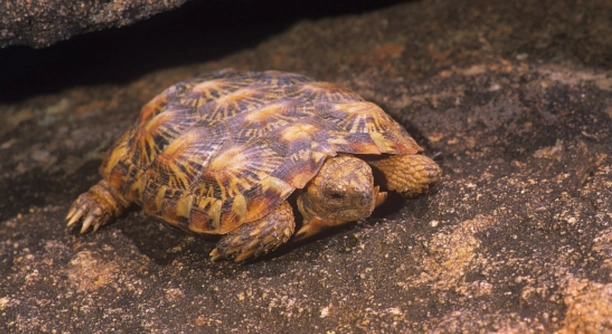
Is your pancake tortoise’s shell looking shinier than usual? A glossy shell can be a sign of environmental factors, diet, or health-related issues. Understanding the cause can help ensure your tortoise’s well-being and maintain its natural shell appearance.
The most common reason for an overly shiny pancake tortoise shell is excessive humidity or oil buildup. High moisture levels in the enclosure can affect the shell’s texture, while natural oils from handling or an imbalanced diet may also contribute to the glossy appearance.
Maintaining the right habitat conditions and diet is essential for your tortoise’s health. Learning about these factors can help you identify the cause and make the necessary adjustments for a healthier, more natural-looking shell.
Excessive Humidity in the Enclosure
High humidity levels can make a pancake tortoise’s shell appear shinier than normal. These tortoises thrive in dry environments, so excess moisture can affect their shell’s texture and overall health. If the enclosure is too humid, it may cause the shell to retain moisture, leading to an unnatural glossy look. Ensuring proper ventilation and using a substrate that does not hold excessive moisture can help maintain ideal conditions. Regularly monitoring humidity levels with a hygrometer is essential. Keeping the enclosure dry while providing a humidity gradient allows the tortoise to regulate its moisture intake naturally.
A consistently humid environment can also contribute to shell softening over time. If left unaddressed, this could increase the risk of shell deformities or infections. Checking the enclosure’s humidity daily and making necessary adjustments can prevent these issues and keep your tortoise’s shell in optimal condition.
If you suspect humidity is the issue, consider reducing misting and switching to a drier substrate. Using a well-ventilated enclosure setup and providing a dry basking area will help regulate moisture levels. Adjusting the enclosure’s airflow by adding ventilation holes or using a dehumidifier in the room can also be effective solutions.
Natural Oils and Handling
Frequent handling can transfer natural oils from human skin onto your tortoise’s shell. Over time, these oils can build up, creating a shinier appearance. This is more noticeable if your hands have lotion or residue from food. Wiping the shell gently with a dry cloth can help remove excess oils.
If oil buildup is causing the shell to look too glossy, consider limiting direct contact with your hands. When handling your tortoise, wash your hands thoroughly beforehand to prevent transferring oils or other residues. A dry, clean towel can be used to gently wipe down the shell after handling. If necessary, a soft-bristled brush with warm water can help remove any lingering residue without harming the shell’s natural structure.
Regular cleaning should be minimal, as excessive scrubbing may strip the shell’s protective layers. A tortoise’s shell naturally develops a protective coating over time, which helps maintain its durability. If the shine persists despite reducing handling, evaluating other environmental factors such as humidity, diet, or lighting may provide further insight. Keeping handling to a minimum and ensuring clean conditions will help maintain a more natural-looking shell.
Improper Diet
A diet that is too high in fat or protein can lead to an oily shell. Foods with excessive moisture or unhealthy fats may contribute to a shinier appearance. Ensuring a balanced diet with proper nutrients is essential for maintaining shell health.
Leafy greens, hay, and fibrous plants should make up most of a pancake tortoise’s diet. Excessive fruits, seeds, or high-protein foods can lead to imbalances that affect shell texture. If the tortoise consumes too many fatty foods, oils may accumulate on the shell, creating a shinier surface. Providing calcium-rich foods, such as cuttlebone, supports shell strength and helps prevent excessive oil buildup. Gradually adjusting the diet to include more natural, fibrous vegetation can help regulate oil production and maintain a more natural shell appearance.
If dietary issues are suspected, observe any changes in the shell’s shine after adjusting food intake. A well-balanced diet reduces unnecessary oil production and keeps the shell healthy. It is important to avoid overfeeding or providing foods with artificial additives. Fresh water should always be available, but excessive soaking can also contribute to shell shine. Monitoring dietary habits closely will help maintain proper shell texture and overall health.
Inadequate UVB Exposure
Without sufficient UVB exposure, a pancake tortoise’s shell may develop an unnatural sheen. UVB light plays a crucial role in shell health, supporting calcium absorption and preventing abnormalities. A lack of proper lighting can lead to a softer or shinier shell over time. Providing appropriate lighting ensures a strong, natural-looking shell.
A high-quality UVB bulb should be used in the enclosure to mimic natural sunlight. Tortoises require exposure to UVB rays for at least 10 to 12 hours daily. Without this, their body struggles to metabolize calcium properly, leading to potential deficiencies. A well-lit basking area with the correct UVB intensity supports healthy shell development. The bulb should be replaced every six months, as its effectiveness diminishes over time. Natural sunlight is also beneficial when possible, as it provides the full spectrum of UVB rays needed for proper shell maintenance.
If the shell appears overly shiny and other factors have been ruled out, reevaluating the lighting setup may help. Position the UVB light appropriately, ensuring it reaches the tortoise without obstruction. Avoid glass or plastic barriers between the bulb and the enclosure, as these block essential UVB rays. Maintaining proper lighting conditions will help the tortoise develop a strong, well-textured shell.
Residue From Cleaning Products
Using cleaning products on your tortoise’s shell can leave behind a shiny residue. Even mild soaps or conditioners marketed for reptiles can alter the shell’s appearance. Plain water and a soft brush are usually enough to remove dirt without affecting the natural texture of the shell.
If cleaning products have been used, rinsing thoroughly with warm water can help remove any residue. Avoid using household cleaners, oils, or conditioners, as they can create an unnatural gloss. Sticking to gentle cleaning methods ensures the shell remains healthy without unnecessary buildup or artificial shine.
Shedding and Shell Growth
As a tortoise grows, its shell naturally sheds thin layers, which may temporarily create a shinier look. This process is normal and helps maintain a healthy shell. Providing a well-balanced diet and proper lighting supports natural shedding and prevents issues related to shell health.
Overhandling or Frequent Rubbing
Excessive handling or frequent rubbing can wear down the shell’s natural texture, making it appear glossier over time. Limiting unnecessary handling and providing a suitable habitat will help maintain the shell’s natural appearance without excessive shine.
FAQ
Can I apply oil to my pancake tortoise’s shell to keep it hydrated?
Applying oil to the shell is not necessary and can actually be harmful. Tortoise shells do not need external moisturizers, as they naturally maintain hydration through diet and environment. Oils can block the shell’s ability to breathe, trapping bacteria and causing long-term health issues. Keeping the humidity levels appropriate and providing a proper diet is enough to maintain shell health.
How often should I clean my pancake tortoise’s shell?
Cleaning should only be done when necessary, such as when dirt or debris builds up. Using lukewarm water and a soft brush is the safest method. Avoid using soaps, conditioners, or chemical cleaners, as they can leave behind residues that alter the shell’s texture. Overcleaning can strip away natural protective layers, so it is best to keep cleaning minimal.
Does a shiny shell mean my tortoise is sick?
Not always, but a sudden or excessive shine can indicate an issue. Factors such as an improper diet, lack of UVB exposure, or residue from cleaning products may be causing the glossy appearance. Monitoring other signs, like changes in eating habits or shell texture, can help determine if there is an underlying health concern.
Can too much humidity make my tortoise’s shell shiny?
Excessive humidity can contribute to a shinier shell by increasing moisture retention. While pancake tortoises need some humidity, too much can lead to shell problems, including softening or bacterial growth. Keeping humidity levels balanced, along with proper ventilation, helps prevent these issues. Checking the enclosure regularly ensures that moisture levels remain stable.
What should I do if my tortoise’s shell is becoming too shiny?
Start by evaluating the diet, lighting, and cleaning habits. Ensure that the tortoise receives a proper balance of fiber and calcium-rich foods. Check that the UVB lighting is strong and positioned correctly. If cleaning products have been used, switch to plain water and a soft brush. Adjusting these factors usually helps restore the shell’s natural texture.
Does shell shine affect my tortoise’s health?
A slightly glossy shell is not necessarily a concern, but an unnatural shine could indicate an imbalance. If the shell becomes overly slick or greasy, it may suggest excess oils from food, overhandling, or environmental issues. Addressing the root cause helps maintain a healthy, well-textured shell. If other health issues appear, a veterinarian should be consulted.
Can natural sunlight help prevent a shiny shell?
Yes, natural sunlight provides essential UVB exposure, which helps regulate shell health. If possible, allowing your tortoise to spend time outdoors in a safe, controlled environment can support proper calcium absorption. Just be sure to monitor temperature levels and provide shaded areas to prevent overheating.
Why does my pancake tortoise’s shell look shinier after shedding?
Shedding is a natural process that helps renew the shell’s surface. As old layers peel away, new growth underneath may appear shinier. This shine should gradually fade as the new shell hardens. Providing a proper diet and maintaining the right environment supports healthy shell shedding.
Could handling my tortoise too much make its shell shinier?
Frequent handling, especially if hands are oily or wet, can cause the shell to appear shinier over time. The natural texture can wear down from excessive contact. Reducing unnecessary handling and ensuring clean, dry hands when touching the tortoise will help maintain its shell’s natural condition.
Final Thoughts
A shiny shell on a pancake tortoise is not always a sign of concern, but it is important to understand the possible causes. Factors such as humidity, diet, UVB exposure, and cleaning routines all play a role in shell health. A natural, slightly glossy appearance is normal, especially after shedding, but excessive shine may indicate an environmental or dietary imbalance. Observing changes in the shell’s texture and appearance can help determine if adjustments are needed. Ensuring a well-balanced diet, proper humidity levels, and adequate lighting will support overall shell health and prevent unnecessary issues.
Maintaining a proper habitat is key to preventing unnatural shine on a pancake tortoise’s shell. Overhandling, exposure to oils, and the use of unnecessary cleaning products can contribute to a glossy appearance. Instead of applying oils or conditioners, focusing on providing the right conditions will help keep the shell strong and healthy. If the enclosure is too humid, adjusting ventilation and substrate can help maintain proper moisture levels. Regular but gentle cleaning with plain water, along with proper calcium intake and UVB exposure, ensures that the shell remains in good condition. Small adjustments to care routines can make a significant difference in shell appearance and overall health.
If a pancake tortoise’s shell suddenly becomes too shiny, it is important to evaluate its diet, habitat, and handling habits. In most cases, simple changes will help restore a natural look and maintain shell strength. However, if the shine is accompanied by other concerning symptoms, such as softening, discoloration, or unusual behavior, consulting a reptile veterinarian is recommended. Monitoring the tortoise’s health and environment regularly will help prevent problems before they develop. By focusing on proper care and creating a stable environment, a pancake tortoise can thrive and maintain a strong, healthy shell.

Hello,
If you enjoy the content that we create, please consider saying a "Thank You!" by leaving a tip.
Every little bit helps us continue crafting quality advice that supports the health, happiness, and well-being of pets around the world, for pets of all shapes, sizes, and species.
We really appreciate the kindness and support that you show us!