
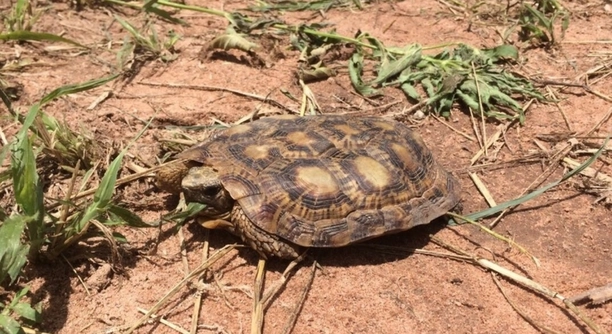
Pancake tortoises are unique creatures, and their eating habits can sometimes be puzzling. If your pancake tortoise is avoiding its food bowl, there may be specific reasons behind its behavior that can help you understand what’s going on.
One possible reason for your pancake tortoise avoiding its food bowl is stress. Stress can stem from environmental changes, new handling, or improper tank conditions. Another factor could be a lack of food variety or a preference for certain types of food.
Understanding the possible reasons for your pancake tortoise’s behavior will help you address any concerns and improve its feeding routine.
Stress and Environmental Factors
Stress can have a significant impact on your pancake tortoise’s appetite. When the environment around them changes, such as new tank mates or rearranged decor, they can become anxious. Even slight disruptions in their surroundings, such as loud noises or inconsistent temperature, can cause them to avoid their food. Tortoises are highly sensitive to their environment, and any stressors can make them lose interest in eating.
It’s important to make sure their living space is calm, comfortable, and consistent. A sudden change, like moving them to a new tank or a shift in lighting, could lead to them feeling unsettled. Regularly checking the temperature and humidity levels will also help your pancake tortoise feel secure and more likely to eat. If they sense danger or discomfort, they may refuse food, hoping to protect themselves.
Incorporating peaceful elements like hiding spots or plants can create a safer space for your tortoise. If their surroundings are stable and free of stress, they’ll likely feel more comfortable and start eating again.
Food Preferences and Variety
Sometimes, your pancake tortoise simply doesn’t like the food provided. Just like any other pet, tortoises have preferences. If the food offered is not to their liking, they may avoid it altogether. The same food day after day can become boring, so offering a variety of fresh vegetables, leafy greens, and fruits can help entice them to eat. Additionally, introducing different textures and flavors might pique their interest.
By rotating food choices and introducing new options, you can find out what your tortoise enjoys most and encourage them to eat regularly.
Illness or Health Issues
If your pancake tortoise is consistently avoiding its food, it could be a sign of illness. Health problems can affect their appetite, especially if they’re feeling unwell. Respiratory infections, gastrointestinal issues, or parasites are common concerns. Changes in behavior or physical appearance, such as lethargy or weight loss, can also indicate health problems.
Regularly monitoring their behavior and checking for symptoms of illness can help catch any health issues early. If you notice that your tortoise is not eating and shows signs of being sick, it’s important to consult a veterinarian who specializes in reptiles. A vet will be able to diagnose the issue and recommend appropriate treatment.
Pancake tortoises are generally resilient, but health issues can sometimes go unnoticed if not carefully monitored. Keeping an eye on their eating habits, behavior, and overall condition is essential for ensuring they stay healthy and happy.
Tank Temperature and Lighting
Tank temperature plays a crucial role in your pancake tortoise’s feeding habits. If their enclosure is too cold, it can slow down their metabolism and make them less likely to eat. Conversely, if the enclosure is too hot, they may feel stressed and uncomfortable. Ensuring the tank maintains the proper temperature range will encourage your tortoise to stay active and eat regularly.
It’s also important to provide the right type of lighting. UVB light is essential for tortoises to metabolize calcium and maintain their overall health. Without proper lighting, they might feel sluggish or unwell, which could cause them to avoid food. Make sure your pancake tortoise’s habitat mimics the natural conditions they need to thrive, including both warm and cool areas in the tank for them to regulate their body temperature.
Proper lighting, along with maintaining a stable temperature, will help keep your pancake tortoise healthy and encourage them to eat regularly. A well-balanced environment can make a significant difference in their appetite and overall well-being.
Overfeeding or Improper Feeding
Overfeeding your pancake tortoise can lead to them becoming less interested in their food. If they’re given too much food at once, they might not feel hungry or may be overwhelmed by the excess. Ensuring portion control is key to maintaining a healthy feeding routine.
Feeding them too frequently can also cause them to lose interest in their food bowl. Pancake tortoises do best with a consistent feeding schedule that doesn’t overwhelm them with too much variety or quantity. Offer food in moderation and stick to a set routine to keep their appetite steady.
Uncomfortable Feeding Area
If the feeding area is too small, crowded, or dirty, your pancake tortoise may avoid it altogether. Make sure their food bowl is in a comfortable, quiet spot in their enclosure where they can feel safe. Cleanliness is also crucial.
A dirty food bowl can deter your tortoise from eating, so ensure it’s regularly cleaned. This simple step can make a noticeable difference in their willingness to eat.
FAQ
Why is my pancake tortoise not eating?
There are several reasons your pancake tortoise might not be eating. It could be due to stress from environmental changes, illness, or an improper diet. If the tank conditions like temperature and humidity aren’t right, it can cause them to lose their appetite. Additionally, if they’re not offered a varied diet or the food is unappealing, they might refuse to eat. Always check for signs of illness, ensure they have the right temperature, and offer a variety of fresh foods.
How often should I feed my pancake tortoise?
Pancake tortoises should be fed every other day, not daily. Overfeeding can lead to health issues or a lack of interest in food. Stick to a feeding schedule where you offer them a mix of fresh leafy greens, vegetables, and occasional fruit. This balanced diet will keep them healthy and satisfied.
What temperature should my pancake tortoise’s tank be?
The ideal temperature for your pancake tortoise’s tank should range from 75°F to 85°F during the day, with a basking spot reaching up to 95°F. At night, the temperature can drop to around 70°F. Maintaining proper temperature gradients allows your tortoise to regulate its body heat. If the tank is too cold or too hot, it can affect their appetite and overall well-being.
Can my pancake tortoise eat fruits?
Yes, your pancake tortoise can eat fruits, but only in moderation. They enjoy fruits like apples, strawberries, and melons. However, fruits are high in sugar, so they should only be offered as occasional treats. A diet primarily consisting of leafy greens and vegetables is best for their long-term health.
How can I tell if my pancake tortoise is sick?
Signs of illness in pancake tortoises include a lack of appetite, lethargy, labored breathing, or unusual shell appearance like soft spots or discoloration. If you notice any of these symptoms, it’s crucial to consult a vet specializing in reptiles. Early detection is important to address any health concerns before they worsen.
What should I do if my pancake tortoise isn’t eating?
If your pancake tortoise isn’t eating, first check the temperature and humidity of their tank. If the environment isn’t right, adjust it to their ideal range. You should also assess their food – make sure it’s fresh and varied. If there’s no improvement, consult a reptile veterinarian for advice.
Can I feed my pancake tortoise commercial food?
Commercial food can be used as a supplement, but it should not be the primary food source for your pancake tortoise. A diet made from fresh, natural foods like leafy greens, vegetables, and fruits is the healthiest option. Commercial foods may lack essential nutrients, so it’s best to use them sparingly.
Is my pancake tortoise just picky about food?
Pancake tortoises are not generally picky eaters, but they do have food preferences. They may not always eat the same food if they find it unappealing or if they’ve had it too often. Offering a variety of foods, such as different types of greens, vegetables, and occasional fruits, can help you find what they like best. However, if they continually refuse food, it may be due to stress, illness, or improper tank conditions.
How long can a pancake tortoise go without eating?
Pancake tortoises can go without eating for a few days, but it’s not ideal. If they’re not eating for more than three to four days, it’s important to investigate the cause, whether it’s stress, illness, or improper care. Prolonged refusal to eat can lead to serious health issues, so make sure to address any concerns quickly.
What kind of food should I offer my pancake tortoise?
Offer a variety of leafy greens like collard greens, mustard greens, and dandelion greens. You can also feed them other vegetables like squash, bell peppers, and carrots. Occasional fruits like papaya, apples, and berries can be added. Avoid feeding them iceberg lettuce, which lacks nutritional value, and high-calcium foods should be limited.
Can a pancake tortoise eat lettuce?
While your pancake tortoise can eat lettuce, it should not be a staple of their diet. Iceberg lettuce has little nutritional value and can cause digestive issues if eaten in large amounts. Stick to more nutritious leafy greens like romaine lettuce, dandelion greens, and collard greens.
Should I be concerned if my pancake tortoise eats very little?
If your pancake tortoise is eating very little, it could be a sign of stress, an environmental issue, or an underlying health problem. It’s important to address any changes in their tank conditions or diet. If there is no improvement, a visit to the vet might be necessary to rule out illness.
Final Thoughts
It’s important to understand that your pancake tortoise’s eating habits are closely linked to their environment and overall health. If they stop eating, it can be a sign of something simple, like a temperature problem, or it could be an indication of stress or illness. Monitoring your tortoise’s behavior and ensuring that their habitat is set up correctly will help them stay healthy and hungry. When it comes to feeding, variety is key. Offering different types of food, along with ensuring proper portion sizes, can encourage your tortoise to eat regularly. Just like people, tortoises have preferences, so finding the right combination of food is crucial.
Sometimes, though, a lack of appetite may signal something more serious, like a health issue that needs professional attention. If your tortoise consistently avoids its food, you should check for signs of illness, such as lethargy or changes in their shell or skin. A visit to a reptile vet can help rule out any underlying medical concerns. Keep in mind that tortoises, including pancake tortoises, need more than just a proper diet. They need the right lighting, temperature, and humidity to feel comfortable and thrive. Stress from incorrect tank conditions can cause them to lose their appetite, making it even more important to maintain the ideal environment.
In the end, the goal is to make sure your pancake tortoise feels secure and well-cared-for in their enclosure. A balanced diet, proper tank setup, and a calm environment will keep them happy and healthy. If you continue to face issues with feeding, remember that a consistent routine and careful monitoring will usually address most problems. Whether it’s adjusting the temperature, changing their food, or checking for illness, being attentive to their needs will go a long way in ensuring your pancake tortoise lives a long, healthy life.

Hello,
If you enjoy the content that we create, please consider saying a "Thank You!" by leaving a tip.
Every little bit helps us continue crafting quality advice that supports the health, happiness, and well-being of pets around the world, for pets of all shapes, sizes, and species.
We really appreciate the kindness and support that you show us!