
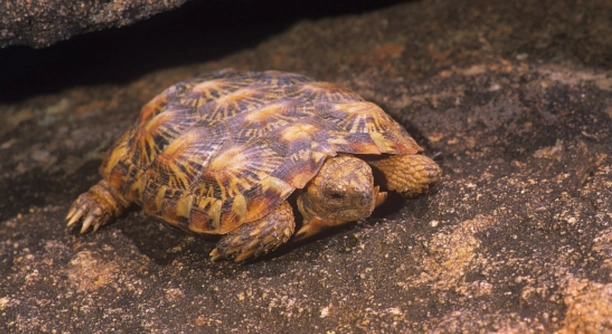
Relocating a pancake tortoise enclosure requires careful planning to ensure their safety and well-being. This process can seem challenging, but following the right steps will help you manage it with confidence.
Start by assessing the tortoise’s current habitat and its needs, including space and environmental factors. Make sure the new enclosure provides similar or improved conditions for their health and comfort. Ensure the move is done gently and calmly, minimizing stress.
By following these guidelines, you will help ensure a smooth transition for your pancake tortoise. Understanding the steps will make the relocation easier and less stressful for both you and your tortoise.
Preparing the New Enclosure
When relocating a pancake tortoise, the new enclosure needs to be ready before the move begins. Make sure it mirrors the current environment as closely as possible. The size should be appropriate for the tortoise’s age and activity level, with enough room for climbing and hiding. Consider adding some rocks, logs, or other structures to encourage natural behaviors. Temperature and humidity should match the tortoise’s needs, so investing in a reliable thermometer and humidity gauge is essential. Keep the substrate similar to what they’re used to, whether it’s sand, dirt, or a mix.
It’s important to double-check the enclosure’s safety before transferring the tortoise. Look for potential hazards like sharp edges or loose items. This step ensures a smooth transition and reduces stress.
Once the new enclosure is set up, it’s time to start the transfer. You’ll want to move the tortoise gently, handling it carefully to avoid causing any stress or injury. Be sure to keep the animal calm by creating a quiet, low-stress environment. Moving too quickly or forcefully could cause fear, leading to health problems. Once inside, allow the tortoise time to explore and adjust to the new surroundings at its own pace. Over time, it will feel more at home in its new space, especially with familiar surroundings to help it settle.
Minimizing Stress During the Move
During the relocation process, minimize stress by keeping noise and distractions at a minimum. A quiet space can help your tortoise feel secure.
Stress reduction is key when relocating a pancake tortoise. Ensure the move is calm and slow. Handling them too much can cause panic, so always prioritize their comfort. Avoid sudden movements.
Safely Transporting Your Pancake Tortoise
When transporting your pancake tortoise, use a secure container that allows air circulation. A small, sturdy box with ventilation holes works well. Avoid using clear plastic containers, as your tortoise may become stressed from seeing its surroundings move too quickly.
Place a soft cloth or towel inside the box to provide comfort and cushioning. This helps reduce the risk of injury during transit. Keep the container in a quiet area of the vehicle to minimize stress from loud noises or movement.
Avoid handling your tortoise during the move, as it may get anxious. If the trip is long, check on your tortoise to make sure it’s comfortable, but keep the lid closed to reduce any unnecessary stress. Ensure the temperature remains stable and within a safe range to prevent overheating or chilling.
Settling the Tortoise into Its New Home
Once at the new location, gently place your tortoise into the prepared enclosure. Avoid forcing them to move if they appear hesitant. Allow the tortoise to explore and settle at its own pace.
Take the time to observe how your tortoise behaves in the new space. It may initially be shy or cautious. However, with familiar structures and a safe environment, the tortoise will adapt. Check that it has access to food, water, and shelter to help with the adjustment. Keep an eye on its health to ensure there are no signs of stress or injury after the relocation.
Monitor the Environment
After relocation, regularly check the conditions inside the enclosure. Temperature, humidity, and lighting should be stable and consistent. Any significant changes could stress your tortoise.
Invest in reliable temperature and humidity gauges. Pancake tortoises need a warm environment with enough humidity to stay comfortable. A consistent environment promotes health and reduces the chance of illness.
Feeding After the Move
Once your tortoise is settled, monitor its eating habits. It may take a little time to adjust, but it’s important to offer familiar food.
Keep the diet consistent, offering a variety of grasses and vegetables. Fresh water should always be available. If your tortoise doesn’t eat right away, don’t worry—give it time to acclimate before making any changes to its diet.
FAQ
How long will it take for my pancake tortoise to adjust to its new enclosure?
Adjustment times vary for each tortoise. Typically, it may take a few days to a week for your tortoise to feel comfortable in the new environment. Some tortoises may explore right away, while others may be more hesitant. The key is to provide a safe, familiar space with the proper conditions.
Should I be worried if my tortoise is not eating right after the move?
It’s common for a tortoise to go off its food for a few days after a move. The change in environment can be stressful, and it may take time for your tortoise to settle in. Keep offering its regular diet and fresh water. If the lack of eating continues beyond a week, consult a vet.
Can I keep the old enclosure and new enclosure too close to each other?
It’s best to place the new enclosure in a quiet, separate area initially. If the old enclosure is too close, your tortoise may feel confused or stressed by seeing its previous habitat. Allow it time to adjust to the new surroundings without distractions.
How can I reduce stress for my pancake tortoise during the move?
The key to reducing stress is to move slowly and calmly. Avoid sudden noises or rapid movements. A secure, well-ventilated box with a soft cloth inside can help your tortoise feel safe. Keep the transport container in a quiet, stable area during the move.
What should I do if my tortoise is showing signs of stress after the move?
If you notice signs of stress such as hiding, not eating, or pacing, try to limit handling. Ensure that the environment is quiet and stable. Check the temperature and humidity to make sure they are within the correct range. If symptoms persist, seek advice from a vet.
Can I place my pancake tortoise outdoors after the move?
It depends on the climate and the tortoise’s health. If the new location has a safe outdoor space, you can introduce your tortoise to it gradually, but make sure it is secure and protected from predators. Always monitor the temperature to ensure it is suitable for the tortoise.
How can I make my pancake tortoise feel more at home in the new enclosure?
Adding familiar objects, like rocks, logs, and hiding spots, will help your tortoise feel more comfortable. Make sure the new space is similar to the old one in terms of substrate, temperature, and humidity. It’s important to create a stress-free, secure environment.
What temperature should I maintain in the new enclosure for my pancake tortoise?
Pancake tortoises thrive in temperatures between 80-90°F (27-32°C). Ensure a gradient of temperatures within the enclosure, with a warmer basking spot around 90°F and a cooler area. This allows the tortoise to regulate its body temperature naturally.
Do I need to worry about lighting for my tortoise after moving it?
Yes, lighting is crucial. Pancake tortoises need access to UVB light to help with calcium absorption and overall health. Provide a UVB lamp that mimics natural sunlight, ensuring your tortoise gets the right amount of light during the day.
How often should I clean the new enclosure after the move?
Keep the enclosure clean by removing uneaten food and waste daily. A full clean should be done once a week, where you replace the substrate, scrub the surfaces, and refresh any water or food bowls. A clean environment is key to maintaining your tortoise’s health.
Should I change my tortoise’s diet after the move?
Avoid making any major changes to your tortoise’s diet after relocation. Keep feeding it the same food it ate before the move to reduce stress. Once it is settled, you can slowly introduce new foods if desired, but keep the basics consistent.
Is it okay to handle my pancake tortoise during the transition?
Limit handling as much as possible during the move and right after the relocation. Handling can cause stress, so it’s best to allow your tortoise to acclimate on its own. Handle it only when necessary, and always do so gently and calmly.
How can I tell if my pancake tortoise is comfortable in its new home?
A comfortable tortoise will explore its surroundings, bask in the light, and show interest in its food. If your tortoise is spending time in its hide or moving around the enclosure, it’s a good sign that it is adjusting well.
Final Thoughts
Relocating a pancake tortoise to a new enclosure requires careful planning and patience. The process can be stressful for both you and the tortoise, but with the right steps, you can ensure a smooth transition. Setting up the new enclosure with the right environment—such as temperature, humidity, and shelter—plays a key role in helping the tortoise adjust. By monitoring these conditions closely and minimizing disturbances during the move, your tortoise will have a better chance of feeling secure in its new space.
It’s also important to remember that every tortoise is different. While some may adapt quickly, others might take longer to feel comfortable. A calm and patient approach will make a big difference in the process. Avoid making sudden changes to their diet, handling them too much, or overcrowding the enclosure with unnecessary items. Keeping things simple and familiar can help your tortoise adjust more easily. As it becomes accustomed to its new surroundings, you’ll notice its behavior becoming more relaxed and confident over time.
Above all, the well-being of your pancake tortoise should be the top priority. If you observe any signs of stress or discomfort, don’t hesitate to seek guidance from a veterinarian or reptile expert. Whether it’s through adjusting environmental conditions or managing feeding routines, small changes can make a significant impact. With time, your tortoise will settle in, and you’ll be able to enjoy watching it thrive in its new home.

Hello,
If you enjoy the content that we create, please consider saying a "Thank You!" by leaving a tip.
Every little bit helps us continue crafting quality advice that supports the health, happiness, and well-being of pets around the world, for pets of all shapes, sizes, and species.
We really appreciate the kindness and support that you show us!