
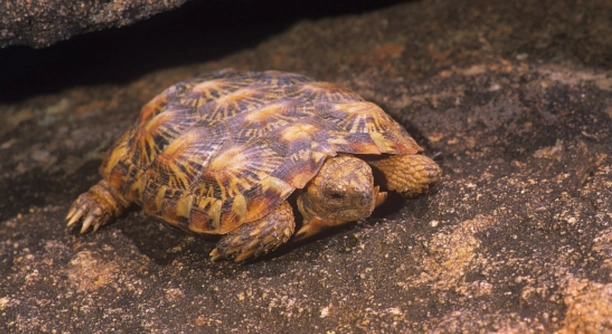
Handling a Pancake Tortoise can be tricky, especially if you’re unfamiliar with their delicate nature. This article will guide you on how to properly manage these reptiles without causing harm.
To handle a Pancake Tortoise safely, gently support its body with both hands, keeping its shell stable. Avoid picking it up by the tail or legs, as this can cause stress or injury. Always be cautious and calm.
By following these simple yet crucial steps, you’ll ensure your tortoise feels safe and secure, preventing potential harm during handling.
Understanding the Pancake Tortoise’s Fragile Nature
Pancake Tortoises have unique shells that help them blend into rocky environments. Their flattened bodies and delicate bones make them especially vulnerable to harm if handled incorrectly. Their shell, although sturdy, is not something to grab or handle too roughly. Any unnecessary pressure on their body could cause lasting damage. The key to handling these tortoises is understanding their fragility.
It’s important to remember that despite their tough-looking appearance, Pancake Tortoises need gentle care. Their small size and soft underbellies mean that even a slight mishandling can hurt them.
When picking up a Pancake Tortoise, use a slow, deliberate approach. It’s best to gently lift them from the sides, ensuring their body is fully supported. Avoid gripping the shell too hard, as it can cause them discomfort. Be patient and mindful of their natural movements to avoid startling them. Always stay calm when interacting with them, as sudden movements could cause stress.
Knowing When to Let Them Go
While it’s tempting to interact with these tortoises, knowing when to put them down is just as crucial.
If a tortoise seems uncomfortable or attempts to retreat into its shell, it’s time to let them go. Be mindful of their cues and don’t push them to stay out longer than they are willing. This shows respect for their well-being.
When a Pancake Tortoise feels safe and calm, it can be an enjoyable experience for both you and the tortoise. However, forcing interaction can make the tortoise anxious. Always take time to learn their behavior and know when they need space.
Properly Supporting the Pancake Tortoise
When lifting a Pancake Tortoise, support both its sides with your hands. Never pick them up by their legs or tail. Their shells are not designed to withstand pressure or sudden movements, and lifting them improperly could result in injury. Always be gentle and aware of their fragile state.
Supporting the tortoise properly prevents unnecessary stress. If you lift it with both hands cradling its sides, the tortoise will feel more secure. It’s crucial to avoid squeezing the shell or forcing the tortoise into any position that feels unnatural to it. Always maintain a steady and soft grip.
Avoid holding them in the air for too long, as this can cause them discomfort and anxiety. The closer you keep the tortoise to the ground or a stable surface, the more comfortable it will feel. Their natural instinct is to move, and the less restriction you impose, the happier they will be.
Understanding the Tortoise’s Body Language
Pancake Tortoises have subtle ways of expressing discomfort. If a tortoise pulls its head into its shell or moves sluggishly, it may be a sign that it feels threatened. These behaviors are natural and should not be ignored. The more you observe their body language, the better you will understand how to handle them.
When handling a Pancake Tortoise, it’s essential to pay attention to these signs. If it attempts to retreat into its shell or shows any signs of distress, it’s time to let go. Letting them move freely when they feel stressed helps build trust. Over time, you’ll become more adept at recognizing when the tortoise wants to be left alone. This reduces the risk of harming them unintentionally.
Handling Stressful Situations
If the Pancake Tortoise becomes stressed, it’s best to slowly lower it back to the ground. Quick movements may cause more stress. Pay attention to its actions and always aim to create a calm environment for it.
If you notice the tortoise displaying signs of stress, such as heavy breathing or defensive behavior, stop handling it immediately. Allow it to return to a safe, quiet place where it can regain calm. Refrain from holding it for long periods, as prolonged handling can create discomfort.
Ensuring Safe Environments
Make sure the area where you handle the tortoise is safe and free from distractions. A quiet, calm environment reduces the chance of startling the animal, which helps it remain calm and cooperative. Avoid areas with loud noises or sudden movements.
By setting up a peaceful space for the tortoise, it becomes easier for both of you to interact without causing unnecessary stress. A familiar and controlled space also reduces risks for injury, making your handling session more enjoyable.
FAQ
What should I avoid when handling a Pancake Tortoise?
You should never pick up a Pancake Tortoise by its legs, tail, or shell. This can lead to injury or stress. Avoid holding them for too long, as this can make them feel anxious or overwhelmed. Make sure your hands are gentle and that you give them plenty of space to move around. Never force a tortoise to stay in one position, as this can cause distress. Always watch for signs that they are uncomfortable, such as retracting their head into the shell.
How do I know when a Pancake Tortoise is stressed?
A stressed Pancake Tortoise may retreat into its shell, move slowly, or breathe heavily. It might also stop moving or seem agitated. If it tries to pull its limbs or head inside its shell when you’re handling it, that’s a sign it’s feeling threatened. To avoid further stress, immediately stop handling it and allow it to relax in a quiet, secure space.
Can I handle a Pancake Tortoise every day?
Handling a Pancake Tortoise every day may be too much for some, as they prefer calm, quiet environments. It’s okay to handle them occasionally, but always be mindful of how long you’re interacting with them. Regular handling can cause stress, so try to give your tortoise time to relax in its habitat. Observe their behavior, and if they seem anxious or uncomfortable, reduce the frequency of handling.
What is the best way to pick up a Pancake Tortoise?
The best way to pick up a Pancake Tortoise is by gently cradling it from both sides, supporting its body fully. Hold it with your palms against the sides of its shell and avoid lifting it by the tail or legs. It’s important to stay slow and steady so the tortoise doesn’t feel startled or unsafe. Never hold it high in the air for too long as this can increase its stress. Always keep your movements gentle and calm.
Can I let my Pancake Tortoise roam outside of its enclosure?
Yes, but only in a safe, secure environment. Always supervise them when outside their enclosure, as they are not used to large open spaces and could easily get lost or hurt. Make sure the area is free from predators or hazards like sharp objects or water sources that might pose a risk. Ensure the space is enclosed and the tortoise can’t escape. If you do allow it to roam, do so in a controlled, safe area where you can monitor its movements.
How can I tell if my Pancake Tortoise is healthy?
A healthy Pancake Tortoise should be active, alert, and have a clean, smooth shell. Check for any unusual discoloration, soft spots, or visible injuries on the shell. Healthy tortoises eat well and are responsive to touch. If your tortoise seems lethargic, refuses food, or has an unusual appearance, it might be a sign of illness, and you should contact a vet. Their eyes should be clear, and they should be able to retract their head into the shell without difficulty.
Is it okay to let my Pancake Tortoise climb on things?
Pancake Tortoises are natural climbers and enjoy exploring their environment, but it’s important to make sure any climbing structures are safe. Avoid having anything too high or unstable in their enclosure, as they could fall and get injured. Keep their environment enriched with low rocks, branches, and other safe objects they can climb on to mimic their natural habitat. Monitor their movements and make sure they aren’t attempting to climb something that could lead to injury.
How often should I clean my Pancake Tortoise’s enclosure?
You should clean the enclosure regularly to maintain a healthy environment for your Pancake Tortoise. Spot clean daily to remove waste and uneaten food. Perform a deep cleaning of the entire enclosure at least once a month. This includes cleaning the substrate, washing any furniture, and replacing any soiled bedding. A clean environment helps prevent illness and keeps your tortoise comfortable.
What kind of diet does a Pancake Tortoise need?
A Pancake Tortoise’s diet should mainly consist of leafy greens, such as dandelion greens, collard greens, and kale. You can also offer grasses, flowers, and some vegetables. Avoid feeding them too much fruit as it can be too sugary. Make sure fresh water is always available for drinking, and consider adding calcium supplements to their diet to support shell health. It’s important to provide variety, but always avoid foods that could be harmful, such as high-oxalate vegetables or iceberg lettuce.
Final Thoughts
Handling a Pancake Tortoise properly is key to ensuring its safety and well-being. These tortoises have fragile bodies and require gentle care. When handling them, always make sure to support their shell and body, avoiding any rough or sudden movements. By being calm and patient, you can avoid causing stress or injury. If the tortoise seems uncomfortable, it’s important to stop and give it space. This respect for their natural behavior helps build trust and ensures that both you and the tortoise are comfortable.
It’s also essential to create a safe and quiet environment for the tortoise. A peaceful space helps reduce the chances of stress during handling or when they’re in their enclosure. If you’re allowing your tortoise to roam outside its usual space, make sure it’s a controlled, secure area free from potential dangers. By observing the tortoise closely, you can tell when it’s ready to interact and when it’s best to leave it be. This level of awareness ensures that your interactions are positive and harm-free.
Overall, handling a Pancake Tortoise requires understanding and attention. Whether you’re interacting with your tortoise regularly or just checking on it from time to time, maintaining a gentle and mindful approach is key. Remember that these tortoises are naturally shy and delicate, so treating them with care will help create a positive experience for both you and the animal. By following these simple steps and being aware of their needs, you’ll be able to handle a Pancake Tortoise without causing it harm and help it live a healthy, stress-free life.

Hello,
If you enjoy the content that we create, please consider saying a "Thank You!" by leaving a tip.
Every little bit helps us continue crafting quality advice that supports the health, happiness, and well-being of pets around the world, for pets of all shapes, sizes, and species.
We really appreciate the kindness and support that you show us!