
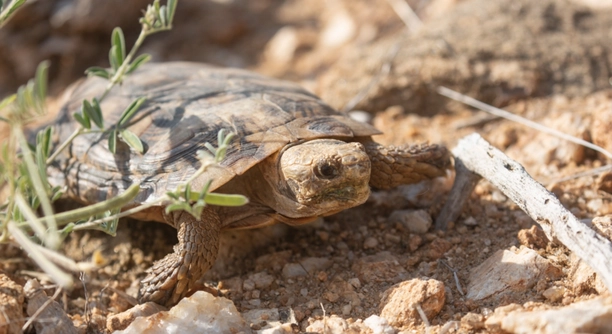
Are your pancake tortoises acting sluggish and less active than usual? Lethargy in these reptiles can be concerning, especially when it persists. Identifying the root causes can help you take the right steps to improve their well-being.
Lethargy in pancake tortoises can result from inadequate temperature regulation, poor diet, dehydration, stress, illness, lack of UVB exposure, or parasites. Each of these factors can significantly impact their energy levels and overall health, requiring proper attention and care.
Understanding these causes can help you provide better care for your tortoise. Addressing these issues can improve their energy levels and ensure a healthier, more active lifestyle.
Inadequate Temperature Regulation
Temperature plays a crucial role in a pancake tortoise’s overall health. If their enclosure is too cold, they may become sluggish and less active. These tortoises need a warm basking spot around 95°F and a cooler area around 75°F. Without proper temperature gradients, their metabolism slows down, leading to lethargy. Inconsistent heating or drafts can also affect their energy levels. It is important to use a reliable thermometer and heat source to maintain stable conditions. Providing a warm, secure environment helps keep them active and prevents issues related to improper temperature control.
A tortoise struggling with improper temperatures may show signs of decreased appetite and inactivity. Monitoring their behavior can help identify temperature-related issues early.
Ensuring proper heating and using a thermostat for accuracy can prevent temperature-related lethargy. Regularly checking and adjusting the enclosure setup keeps your tortoise comfortable and reduces the risk of inactivity caused by temperature fluctuations.
Poor Diet
A lack of proper nutrition can make a pancake tortoise feel sluggish. If their diet lacks essential vitamins and minerals, they may not have the energy to move around as they should.
These tortoises require a diet rich in leafy greens, vegetables, and calcium sources. Without enough fiber, their digestion slows, leading to decreased energy. Lack of calcium and vitamin D3 can also contribute to weakness. Feeding them a variety of nutrient-rich foods, such as dandelion greens and calcium supplements, helps maintain their health. Avoiding excessive fruit or protein is important, as these can cause digestive problems and sluggishness. Hydration also plays a key role, as dehydration can lead to fatigue.
Providing a well-balanced diet with proper supplementation ensures your tortoise stays active and healthy. Observing their eating habits and making necessary dietary adjustments can prevent nutritional deficiencies that cause lethargy.
Dehydration
A dehydrated pancake tortoise may become sluggish and inactive. Lack of water affects their digestion, circulation, and overall energy levels. Dry environments or inadequate water sources can lead to dehydration, making it important to provide fresh water and maintain proper humidity levels.
Hydration plays a key role in digestion and organ function. Without enough moisture, a tortoise may struggle with slow digestion, constipation, and lethargy. Misting their enclosure and offering shallow water dishes encourage hydration. Fresh leafy greens also help maintain fluid balance. Signs of dehydration include sunken eyes, dry skin, and reduced activity. Regularly monitoring their hydration levels ensures their well-being.
Maintaining proper humidity between 40-60% prevents dehydration-related issues. If their habitat is too dry, they may become sluggish and inactive. Offering occasional warm soaks can help restore hydration. Providing an environment that supports natural hydration habits keeps your tortoise healthy and energetic.
Stress
Stress can cause a pancake tortoise to become lethargic. Sudden changes in environment, excessive handling, or loud noises can make them feel unsafe. A stressed tortoise may hide frequently, eat less, or move less. Creating a calm and stable environment helps reduce stress levels.
Improper handling is a major stress factor. Tortoises prefer minimal handling, and excessive interaction can make them anxious. Enclosures placed in high-traffic areas or near loud noises can also cause discomfort. Providing plenty of hiding spots and a consistent routine helps them feel secure. Avoid sudden changes in lighting, temperature, or enclosure setup to minimize stress-related lethargy.
A tortoise experiencing prolonged stress may develop weakened immunity, making them more susceptible to illness. If they continue to show signs of stress despite environmental adjustments, evaluating their enclosure and daily interactions can help pinpoint the cause. Reducing disturbances and providing a secure space encourages natural behaviors and improves energy levels.
Illness
Lethargy can be a sign of underlying illness. Respiratory infections, metabolic bone disease, or digestive issues can cause a pancake tortoise to become weak and inactive. Symptoms like wheezing, swollen eyes, or changes in eating habits may indicate a health problem that requires immediate attention.
Parasites, bacterial infections, and vitamin deficiencies can also lead to lethargy. Regular health checks and a clean enclosure help prevent illnesses. If a tortoise shows prolonged inactivity or unusual behavior, consulting a reptile veterinarian ensures early diagnosis and treatment. Proper care and timely intervention can improve their overall well-being.
Lack of UVB Exposure
UVB lighting is essential for calcium absorption and overall health. Without it, a pancake tortoise may develop metabolic bone disease, leading to weakness and lethargy. A high-quality UVB bulb should be used daily to support their energy levels and prevent long-term health issues.
Parasites
Internal and external parasites can drain a tortoise’s energy, causing lethargy. Regular fecal tests and a clean enclosure help prevent infestations. If signs of parasites appear, seeking veterinary care ensures proper treatment and keeps your tortoise healthy and active.
FAQ
What temperature should my pancake tortoise’s enclosure be?
Pancake tortoises need a temperature gradient in their enclosure. The basking spot should be around 95°F, while the cooler side should be between 75-80°F. Providing this gradient allows them to regulate their body temperature, which is crucial for digestion and overall health. Make sure the enclosure maintains these temperatures consistently throughout the day.
How can I tell if my pancake tortoise is dehydrated?
Signs of dehydration in pancake tortoises include sunken eyes, dry skin, and reduced activity. They may also refuse to eat. Keeping their enclosure humid enough and offering fresh water daily can prevent dehydration. Additionally, regular misting of the habitat helps maintain moisture. Soaking your tortoise in warm water for 15-20 minutes can also help hydrate them if necessary.
Can stress make my pancake tortoise lethargic?
Yes, stress is a common cause of lethargy in pancake tortoises. Changes in their environment, such as moving their enclosure, new handling, or loud noises, can trigger stress. Creating a calm, stable environment and reducing disturbances can help them feel secure and prevent inactivity.
What should I do if my pancake tortoise refuses to eat?
If your pancake tortoise refuses food, it may be a sign of stress, illness, or improper temperatures. Check their enclosure to ensure it’s at the correct temperature and humidity levels. Offer a variety of fresh leafy greens and make sure their food is nutritious. If they continue to refuse food, consult a veterinarian to rule out any health issues.
How often should I feed my pancake tortoise?
Pancake tortoises typically need to be fed every other day. Offer a variety of leafy greens, such as collard greens, dandelion greens, and mustard greens, along with occasional flowers like hibiscus. Providing a well-balanced diet with plenty of fiber is key to keeping them healthy and active. Avoid overfeeding fruit or high-protein foods.
Can my pancake tortoise be kept with other reptiles?
Pancake tortoises can be kept with other reptiles, but care must be taken to ensure that both species have similar environmental needs. Ensure that their enclosures are large enough and have enough hiding spots to reduce stress. Never house them with aggressive or overly active species, as this could cause stress or injuries.
What is the lifespan of a pancake tortoise?
Pancake tortoises can live for up to 30-50 years in captivity if provided with the right care. To ensure a long, healthy life, maintain proper temperatures, humidity, diet, and provide regular health check-ups. Their lifespan can be affected by factors like stress, improper diet, and poor environmental conditions.
How do I know if my pancake tortoise is sick?
Signs of illness in a pancake tortoise include lethargy, difficulty breathing, nasal discharge, swollen eyes, or abnormal behavior such as hiding or reduced movement. If you notice any of these symptoms, it’s essential to take your tortoise to a reptile veterinarian for a proper diagnosis and treatment.
What UVB lighting is best for pancake tortoises?
Pancake tortoises need UVB lighting to help them synthesize vitamin D3, which is necessary for calcium absorption. Use a high-quality UVB bulb that emits UVB rays over a distance of about 12-18 inches. Replace the bulb every 6-12 months, as the UVB rays degrade over time. Ensure your tortoise has access to this light for 10-12 hours a day.
How often should I clean my pancake tortoise’s enclosure?
Cleaning the enclosure of your pancake tortoise should be done regularly to prevent the buildup of waste and bacteria. Spot clean daily by removing uneaten food, waste, and soiled bedding. Every 2-3 weeks, perform a deep clean by removing all the substrate, cleaning surfaces with reptile-safe disinfectant, and replacing the substrate with fresh material.
What is the best substrate for a pancake tortoise’s enclosure?
Pancake tortoises thrive on substrates that provide both drainage and humidity control. A mix of coconut coir, orchid bark, and sand works well. Ensure the substrate is deep enough to allow burrowing and that it remains dry, except for occasional misting. Avoid substrates like cedar or pine, as they can be harmful to tortoises.
Can I handle my pancake tortoise?
Pancake tortoises can be handled, but they generally prefer minimal interaction. Handling them too much can cause stress, leading to lethargy and reduced appetite. When you do handle your tortoise, keep it brief and gentle. Always support their body properly, avoiding squeezing or lifting by the shell.
Why is my pancake tortoise spending so much time hiding?
Hiding is a natural behavior for pancake tortoises, especially when they feel stressed or unwell. They may retreat to their hiding spots if the environment is too noisy, bright, or if they are not feeling well. If this behavior becomes prolonged or accompanied by other signs of illness, a visit to the vet is recommended.
What should I do if my pancake tortoise has shell damage?
If your pancake tortoise sustains shell damage, it’s important to assess the severity. Small cracks or scratches can often heal on their own, but deep injuries require immediate veterinary attention. Ensure the tortoise is kept in a clean, quiet environment to avoid infection and stress while healing.
Final Thoughts
Pancake tortoises are fascinating creatures with unique care requirements. Like any pet, they need attention, a suitable environment, and proper nutrition to thrive. Their health can be easily affected by their habitat conditions, diet, and handling. Understanding the signs of lethargy and addressing the underlying causes is essential for keeping them healthy and active. Whether it’s adjusting temperature, providing UVB lighting, or offering a balanced diet, small changes can make a big difference in their well-being.
By paying attention to the signs of lethargy, such as a lack of appetite, reduced activity, or difficulty moving, you can identify potential issues early. Whether it’s illness, stress, or improper environmental conditions, taking action right away can help prevent serious health problems. Regular health checks, clean living spaces, and a proper diet are the foundation of a healthy tortoise. Consulting a veterinarian when needed ensures your pet gets the care it deserves. With the right knowledge and care, you can enjoy a long and rewarding relationship with your pancake tortoise.
In conclusion, the key to preventing and managing lethargy in pancake tortoises is proactive care. Keeping an eye on their behavior, providing proper lighting, maintaining ideal temperatures, and ensuring a healthy diet are all critical steps in their overall health. Although pancake tortoises can sometimes be sensitive, their resilience when properly cared for is remarkable. By staying informed about their needs, you ensure their happiness and longevity.

Hello,
If you enjoy the content that we create, please consider saying a "Thank You!" by leaving a tip.
Every little bit helps us continue crafting quality advice that supports the health, happiness, and well-being of pets around the world, for pets of all shapes, sizes, and species.
We really appreciate the kindness and support that you show us!