
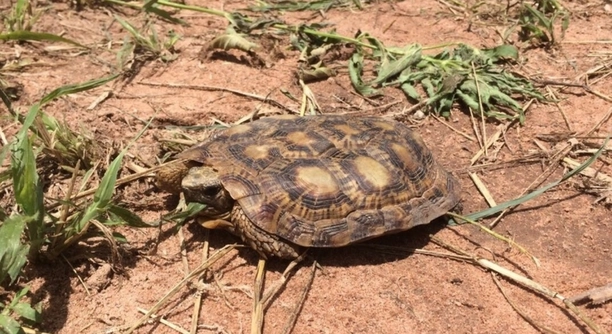
Do you want to provide the best environment for your pancake tortoise but are unsure where to place its enclosure? Choosing the right location is essential for maintaining proper temperature, humidity, and overall well-being for your tortoise’s health and longevity.
The best enclosure locations for optimal pancake tortoise health are warm, dry areas with stable temperatures. Ideal spots include indoor rooms with controlled heating, outdoor enclosures with shaded areas, and spaces that prevent excessive humidity and cold drafts to maintain proper shell and metabolic health.
Providing a suitable enclosure location ensures your tortoise thrives in a safe and comfortable environment. Understanding the best placement options will help create a stable and stress-free habitat for your pet.
Indoor Locations for Stability
Creating a stable indoor environment is one of the best ways to ensure your pancake tortoise stays healthy. Rooms with consistent temperatures, such as living areas or heated reptile enclosures, help prevent stress caused by sudden temperature fluctuations. Avoid placing the enclosure near windows, air vents, or direct sunlight, as these can create unpredictable heating and cooling patterns. A designated space with controlled lighting and humidity levels is ideal. Using a basking lamp and UVB lighting will provide the necessary warmth and support proper shell development. Ensure the enclosure has proper ventilation while maintaining a dry substrate.
A dedicated indoor space also protects your tortoise from predators, extreme weather, and excessive humidity. Consistency is key when choosing a room for their enclosure.
If you prefer keeping your tortoise indoors, invest in a high-quality heating system and monitor humidity regularly. Maintaining an environment with temperatures between 80-90°F will help your tortoise stay active and healthy.
Outdoor Enclosures for Natural Benefits
Outdoor enclosures provide natural sunlight, fresh air, and more space for movement. A well-secured area with shade and proper fencing ensures your tortoise remains safe from predators while enjoying the benefits of a natural setting.
When setting up an outdoor enclosure, choose a dry and well-drained area. Pancake tortoises thrive in warm environments with low humidity, so avoid placing their habitat in damp or overly shaded locations. Using a mixture of rocks, logs, and sandy soil mimics their natural habitat and provides hiding spots. Ensure the fencing is deep enough to prevent burrowing escapes, and use a mesh cover to protect against potential threats. During colder months, consider bringing your tortoise indoors to maintain a stable temperature.
Outdoor setups allow for natural behaviors such as basking and burrowing. The exposure to natural UVB light supports healthy shell growth and prevents deficiencies. However, consistent monitoring is necessary to prevent overheating, dehydration, or exposure to extreme conditions.
Temperature-Controlled Rooms
A temperature-controlled room ensures a stable environment for your pancake tortoise. Keeping the temperature between 80-90°F with a basking spot around 95°F helps maintain proper digestion and activity levels. Avoid placing the enclosure in rooms with air conditioning or drafts that could cause sudden temperature drops.
Using thermostats and heat lamps allows for precise temperature regulation. A ceramic heat emitter can provide warmth without disrupting the tortoise’s natural day-night cycle. UVB lighting is essential for calcium absorption and shell health. Position heat sources to create a gradient, allowing your tortoise to move between warmer and cooler areas. Monitor temperature and humidity regularly to prevent health issues.
Providing a temperature-controlled space helps reduce stress and promotes longevity. Consistency is important, so avoid relocating the enclosure frequently. Keep humidity levels below 50% to prevent respiratory problems. A well-regulated environment will keep your tortoise comfortable and encourage natural behaviors.
Sheltered Patio Spaces
A sheltered patio offers a semi-outdoor setup with protection from harsh weather. Placing the enclosure in a covered area allows your tortoise to experience natural light without exposure to excessive rain or cold. Ensure the space remains warm, dry, and free from strong drafts or predators.
A patio enclosure should have a solid base to prevent burrowing escapes. Using potted plants, flat rocks, and shaded areas mimics a natural habitat while providing security. Install a UVB lamp if direct sunlight is limited. The enclosure should be monitored for temperature fluctuations, especially during cooler months. Proper ventilation is necessary to maintain air circulation and prevent overheating.
A well-maintained patio setup allows your tortoise to benefit from fresh air while staying safe. Ensure the space remains clean and free from standing water. Regularly check for signs of stress, such as reduced activity or lack of appetite, and adjust conditions as needed.
Well-Ventilated Basements
A well-ventilated basement can provide a stable temperature for your tortoise, but proper airflow is essential. Without ventilation, humidity can rise, leading to respiratory issues. Use a dehumidifier to keep moisture levels low and ensure a heat source maintains temperatures between 80-90°F.
Lighting is necessary since basements often lack natural sunlight. A combination of UVB lamps and heat emitters ensures your tortoise gets the warmth and nutrients needed for healthy shell growth. Avoid placing the enclosure near cold concrete floors, as they can cause heat loss and discomfort.
Secure Greenhouses
A greenhouse provides a controlled outdoor space with access to natural light. Ensure ventilation to prevent overheating, and use shading materials when temperatures rise. The enclosure should have a mix of soil and flat surfaces to create a comfortable, naturalistic setting that supports your tortoise’s health.
FAQ
What is the best temperature range for a pancake tortoise enclosure?
The best temperature range for a pancake tortoise is between 80-90°F during the day, with a basking spot around 95°F. At night, temperatures can drop slightly but should stay above 70°F to prevent stress. Using a thermostat helps maintain consistent conditions. Avoid extreme temperature fluctuations, as this can negatively affect their health.
Can pancake tortoises live outdoors year-round?
Pancake tortoises can live outdoors year-round, but this depends on the climate. They thrive in warm, dry environments and should not be exposed to freezing temperatures. If you live in a colder region, bringing them indoors during the winter months is necessary. Ensure their outdoor enclosure has proper shade and protection from rain.
How often should I feed my pancake tortoise?
Pancake tortoises are herbivores and should be fed daily. Offer a variety of leafy greens, such as collard greens, dandelion leaves, and grasses. Occasional fruit, such as melon or berries, can be given as a treat. Make sure fresh water is always available, as hydration is crucial for their health.
What size should the enclosure be for a pancake tortoise?
The enclosure should be large enough for your tortoise to move freely. A minimum size of 4 feet by 2 feet is recommended for a single adult pancake tortoise. Larger enclosures allow them to exercise, explore, and exhibit natural behaviors. Provide both horizontal and vertical space for climbing and burrowing opportunities.
How can I maintain proper humidity levels for a pancake tortoise?
Pancake tortoises prefer a dry environment with low humidity. Keep humidity levels between 30-50% to avoid respiratory issues and shell deformities. Use a hygrometer to monitor humidity and adjust as necessary. Avoid misting the enclosure, as this can lead to excess moisture and stress the tortoise.
Do pancake tortoises need UVB light?
Yes, pancake tortoises need UVB light to properly metabolize calcium and prevent shell deformities. UVB light should be provided for 10-12 hours a day, using either fluorescent or mercury vapor bulbs. Make sure the light is placed at the correct distance from the tortoise and replaced regularly to maintain its effectiveness.
Can I keep multiple pancake tortoises together?
Pancake tortoises are generally solitary animals and can be territorial. It’s best to house them individually to prevent fighting and stress. If you choose to keep more than one, ensure the enclosure is large enough to allow each tortoise to have its own space. Monitor their behavior closely for any signs of aggression.
What type of substrate is best for a pancake tortoise enclosure?
A suitable substrate for a pancake tortoise enclosure includes sand, soil, and coconut fiber. These materials help maintain a dry environment and are comfortable for burrowing. Avoid using substrates like gravel or wood chips, as they can cause injury or digestive issues if ingested.
How do I know if my pancake tortoise is sick?
Signs of illness in a pancake tortoise include lethargy, loss of appetite, abnormal shell growth, wheezing, or runny eyes and nose. If you notice any of these symptoms, it’s important to consult a veterinarian with experience in reptiles. Regular check-ups can help detect issues early and maintain their health.
Can pancake tortoises swim?
Pancake tortoises are not strong swimmers and should not be placed in deep water. They can enjoy shallow water for drinking or soaking but should always have easy access to dry land. Ensure that any water provided is shallow enough to avoid drowning hazards.
What do pancake tortoises eat in the wild?
In the wild, pancake tortoises feed on a variety of grasses, shrubs, and leaves. They are opportunistic feeders and will consume whatever plant matter is available. In captivity, their diet should closely resemble their natural food sources, focusing on high-fiber, leafy greens and occasional fruits.
Is it necessary to provide hiding spots for my pancake tortoise?
Yes, providing hiding spots is important for the well-being of your pancake tortoise. These reptiles prefer having a safe, secluded place to retreat when they feel stressed or need privacy. You can use rocks, logs, or commercially available reptile hides to create suitable hiding areas in their enclosure.
How do I keep my pancake tortoise’s shell healthy?
A healthy shell requires proper UVB lighting, a calcium-rich diet, and the right temperature. Ensure they have access to UVB rays for calcium absorption. Calcium supplements or cuttlefish bone can be provided to prevent deficiencies. Keep their environment clean and free from excess moisture to avoid shell rot.
Final Thoughts
Providing the right environment for your pancake tortoise is crucial to its health and well-being. Choosing an appropriate enclosure location is the first step in ensuring that it thrives. Whether you opt for a well-ventilated basement, a secure greenhouse, or an outdoor pen, the space should be large enough for the tortoise to move around freely. Temperature, humidity, and UVB lighting are all essential components of a suitable habitat. A proper balance of these elements will help your tortoise grow strong, maintain its health, and avoid stress.
Beyond just physical space, the environment should also offer opportunities for natural behaviors. Pancake tortoises are shy, ground-dwelling reptiles, and they prefer having access to hiding spots and places to climb. Mimicking their natural habitat by including areas to dig, explore, and hide helps keep them comfortable. Additionally, an enclosure with a variety of surfaces, such as rocks and flat areas, supports their shell health and physical development. The right setup allows them to feel secure and encourages exercise, which contributes to their overall health.
Finally, maintaining a healthy diet, proper humidity, and consistent lighting is essential. Regular monitoring of the enclosure’s temperature and humidity levels, along with ensuring proper nutrition, will prevent many common health problems. By staying on top of their care, you provide your pancake tortoise with the best possible environment to live a long, healthy life.

Hello,
If you enjoy the content that we create, please consider saying a "Thank You!" by leaving a tip.
Every little bit helps us continue crafting quality advice that supports the health, happiness, and well-being of pets around the world, for pets of all shapes, sizes, and species.
We really appreciate the kindness and support that you show us!