
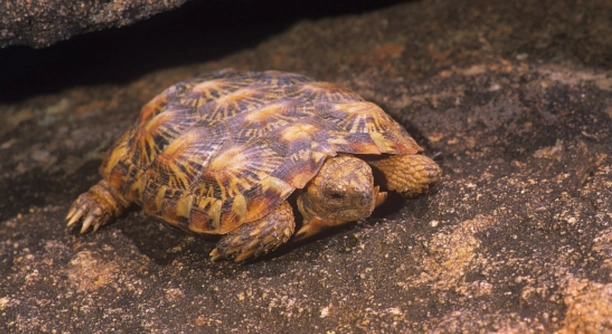
Pancake tortoises are unique creatures that capture the fascination of many reptile lovers. However, sometimes they may suddenly stop moving, leaving their owners puzzled. There are several reasons behind this behavior that can affect their activity levels.
Several factors can cause a pancake tortoise to stop moving, including environmental stressors, temperature imbalances, lack of proper nutrition, dehydration, illness, injury, and improper habitat conditions. Identifying the root cause requires careful observation and adjustments to their care.
These insights will help you better understand your pancake tortoise and offer practical solutions to ensure its well-being and happiness.
Temperature Imbalance
If your pancake tortoise isn’t moving, temperature imbalance could be a major reason. These tortoises are native to warmer climates, and they need a stable, warm environment to thrive. If their habitat is too cold or too hot, they might slow down or even stop moving altogether. Too much heat can stress them out, while cooler temperatures can cause them to become lethargic. It’s important to maintain a consistent temperature that mimics their natural habitat, usually between 75°F to 90°F during the day, with a slight drop at night.
Correcting the temperature imbalance involves adjusting the heat sources in their enclosure, ensuring the area is neither too warm nor too cold. Invest in a thermometer to check their living environment regularly.
To provide proper heat, use a heat lamp or under-tank heating pad. This allows them to regulate their body temperature more easily. Be sure there are areas with slight temperature gradients so they can move around and find a comfortable spot. Without the right balance, they’ll struggle to remain active.
Dehydration
Dehydration is another key factor that can cause your pancake tortoise to stop moving. Without proper hydration, their body functions slow down.
Pancake tortoises drink from water sources in their natural habitat, and they need to stay hydrated to stay active. Make sure to provide fresh water daily and keep it clean. You can also gently mist the enclosure to raise the humidity levels. A hydrated tortoise is a healthy tortoise, and it will be more likely to move around and explore.
Illness or Injury
If a pancake tortoise is unwell or injured, it may stop moving as a natural response. They may not be able to move due to pain, discomfort, or fatigue. Look for signs of infection, wounds, or swelling on their body. If you notice anything unusual, it’s essential to consult a vet.
A common issue with tortoises is respiratory infections, which can affect their movement and appetite. Other possible health concerns include shell injuries, parasites, or digestive problems. If your tortoise is exhibiting a lack of activity, paired with abnormal behavior, seek professional advice to ensure it’s not a health issue. Early detection helps prevent further complications.
Proper care is crucial for recovery. If your tortoise has an injury or illness, give it time to heal in a quiet, safe environment. Avoid handling them too much during recovery to reduce stress. Providing optimal conditions, like proper temperature and hydration, will also assist in their healing.
Improper Habitat
An unsuitable habitat can be another reason your pancake tortoise might stop moving. If their living space is too small, overcrowded, or uncomfortable, they will avoid exploring. Ensure the enclosure is large enough for them to move around freely.
The environment should include a mix of hiding spots, basking areas, and safe zones. If the space is overcrowded with other animals, it could make your tortoise feel threatened and less likely to explore. Also, make sure the substrate is not too wet or too dry, as this can affect their behavior. A stable and well-maintained habitat is key for encouraging movement.
Ensure the enclosure is clean and free of excess waste or debris. Tortoises need clean living spaces for overall health and comfort. A messy habitat can lead to stress or illness, which will make them less active. Taking time to create the right environment will improve their behavior and movement.
Lack of Proper Nutrition
Without a proper diet, a pancake tortoise may become sluggish or stop moving. They need a variety of foods, such as leafy greens, vegetables, and occasional fruits, to stay healthy. If their diet lacks essential nutrients, they can become weak and lethargic.
Provide them with calcium and other necessary vitamins. This is especially important for healthy shell growth. Without the right balance of nutrients, your tortoise’s body may not function properly, leading to inactivity. Ensure you are feeding them the correct portions and types of food to avoid nutrient deficiencies.
Stress or Anxiety
Stress is another reason why your pancake tortoise may stop moving. Changes in their environment, loud noises, or even new animals in the space can cause stress.
Signs of stress include hiding for long periods, not eating, and lack of movement. To reduce stress, keep their environment stable, and avoid sudden changes. Allow them time to adjust to new surroundings or animals slowly. By minimizing stress factors, your tortoise will feel more secure and be more likely to explore its surroundings.
FAQ
Why is my pancake tortoise staying in one spot?
A pancake tortoise may remain in one spot due to factors like temperature imbalance, lack of hydration, or stress. Check if the environment is at the right temperature (between 75°F to 90°F) and ensure they have access to clean water. Stress from changes in their surroundings can also cause them to stay in one place. If your tortoise seems unwell or injured, it might avoid moving to protect itself. Examine for signs of illness, injury, or environmental issues. If it persists, consult a vet for a proper diagnosis.
How do I know if my pancake tortoise is dehydrated?
Dehydration in pancake tortoises can lead to lethargy, loss of appetite, and lack of movement. To check, gently pinch the skin and see if it slowly returns to its normal position; if it stays pinched, it may be a sign of dehydration. Provide fresh water every day, mist their enclosure, and offer high-moisture foods like leafy greens to keep them hydrated. Always monitor their water bowl to ensure they can drink easily.
Can a pancake tortoise get too hot?
Yes, a pancake tortoise can suffer from heat stress if exposed to temperatures that are too high. Temperatures above 90°F can cause them to become sluggish, and prolonged exposure to excessive heat can lead to serious health problems. Make sure your tortoise has access to both warm and cool areas within its enclosure. A temperature gradient, created with a heat lamp and cooler areas, will allow them to regulate their body temperature.
How often should I feed my pancake tortoise?
Pancake tortoises should be fed daily with a variety of greens, vegetables, and some fruits. Offer them a balance of calcium-rich foods, such as collard greens, kale, and dandelion greens, to help keep their shells healthy. Ensure their diet is high in fiber to support digestion. If they are not eating or are refusing food, it could indicate an underlying health issue or stress.
Why isn’t my pancake tortoise moving after feeding?
It’s normal for pancake tortoises to rest after a meal, especially if they have eaten a large amount. However, if they are not moving for an extended period, it may be due to an environmental issue such as improper temperature, humidity, or stress. Observe their behavior, check the habitat conditions, and ensure they have access to water and a comfortable resting place.
What are signs that my pancake tortoise is stressed?
Stress can cause a pancake tortoise to stop moving or behave unusually. Signs of stress include hiding for long periods, lack of eating or drinking, and retreating into their shell. Changes in the environment, new pets, or loud noises can contribute to stress. Keep their environment stable and quiet, and allow time for adjustment if changes are necessary.
Can a pancake tortoise stop moving due to illness?
Yes, illness can cause a pancake tortoise to stop moving. Respiratory infections, digestive issues, and shell injuries can make them feel weak or in pain, leading to a lack of movement. If you notice any unusual symptoms like wheezing, swollen limbs, or discolored skin, take your tortoise to a vet for proper treatment. Early detection of illness can prevent further health complications.
Should I change the substrate in my tortoise’s enclosure?
Yes, the substrate should be changed regularly to maintain a clean and healthy environment for your tortoise. Wet or dirty substrate can harbor bacteria, making your tortoise more prone to infections. Use safe materials like coconut coir or organic soil, and spot clean the enclosure daily. Change the substrate completely every few months to avoid any buildup of waste.
How can I tell if my pancake tortoise is injured?
Injuries in pancake tortoises may not always be visible, but look for signs like swelling, cuts, or cracks in the shell. They may also show signs of pain by avoiding movement or hiding more often. If you suspect an injury, check for any physical damage carefully and consult a vet. Never ignore signs of injury, as untreated wounds can lead to infections.
How do I keep my pancake tortoise healthy and active?
To keep your pancake tortoise healthy and active, maintain proper temperature, humidity, and diet. Provide a variety of fresh, nutritious foods to support their growth and shell health. Ensure their enclosure is large enough for them to move freely and has areas for basking and hiding. Regularly clean their habitat to avoid stress and potential illness. Avoid sudden changes in their environment and keep them safe from predators or other animals that could cause stress. Regularly check their behavior for signs of illness or injury to catch any potential problems early.
Final Thoughts
Understanding why a pancake tortoise might stop moving is important for ensuring its well-being. Several factors can contribute to their lack of movement, such as improper temperature, dehydration, illness, injury, stress, or an unsuitable habitat. By carefully observing their behavior and environment, you can identify the cause of their inactivity and take the necessary steps to address it. Maintaining a balanced temperature, offering clean water, and ensuring a nutritious diet are key parts of keeping your tortoise healthy and active.
It’s also crucial to create a safe and comfortable habitat for your pancake tortoise. Providing enough space, hiding spots, and proper substrate will help them feel secure. Avoid overcrowding their enclosure and make sure there are no sharp objects or harmful materials that could cause injury. Stress from changes in their surroundings can also lead to inactivity, so try to keep their environment stable and quiet. If you introduce new animals or make changes to their setup, give them time to adjust slowly.
Finally, regular check-ups with a veterinarian are essential for your tortoise’s long-term health. If your tortoise shows signs of illness or injury, such as swelling, difficulty moving, or loss of appetite, seek professional advice as soon as possible. Timely intervention can prevent small issues from becoming serious health problems. By paying attention to your pancake tortoise’s needs and maintaining proper care, you can help ensure they live a healthy and active life.

Hello,
If you enjoy the content that we create, please consider saying a "Thank You!" by leaving a tip.
Every little bit helps us continue crafting quality advice that supports the health, happiness, and well-being of pets around the world, for pets of all shapes, sizes, and species.
We really appreciate the kindness and support that you show us!