
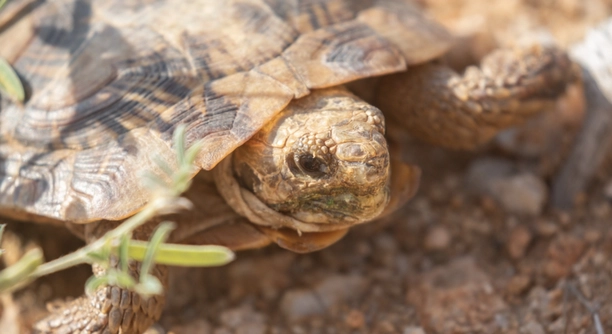
Pancake tortoises are fascinating creatures, but like any pet, they require proper care to stay healthy and happy. Their unique shell can sometimes develop an unpleasant smell, which could indicate a potential issue.
The most common reasons for a pancake tortoise’s shell smelling bad are poor hygiene, infection, inadequate diet, and improper living conditions. These factors can lead to bacteria buildup or fungal growth on their shells, causing unpleasant odors.
Addressing these factors can help maintain your tortoise’s health and prevent odor issues. Understanding the root causes of the smell can guide you in ensuring a happy and healthy environment for your pancake tortoise.
Poor Hygiene and Shell Cleaning
One of the most common reasons a pancake tortoise’s shell might smell is poor hygiene. Just like any pet, regular cleaning is essential to keep your tortoise healthy. If the shell isn’t cleaned properly, dirt, waste, and leftover food can build up, causing a bad odor. Over time, bacteria can also accumulate, leading to an unpleasant smell. You should gently clean your tortoise’s shell with a soft brush, warm water, and mild soap. This will prevent dirt and other materials from building up, which could contribute to the smell.
In addition to cleaning their shell, it’s important to keep their habitat clean. Removing waste regularly and providing fresh water helps maintain a clean environment for your tortoise.
A clean tortoise is a happy one. By incorporating a simple cleaning routine, you can ensure that your pancake tortoise stays fresh and free from harmful bacteria. Regular cleaning also promotes overall health and reduces the chances of unpleasant odors.
Infections and Skin Issues
Infections or skin conditions are another reason your pancake tortoise might develop an unpleasant odor. Infections can occur when there is a tear or injury to the shell or skin. These injuries can trap moisture, leading to fungal or bacterial growth.
If you notice a persistent smell that doesn’t go away with regular cleaning, it might indicate an infection. Infected areas on the shell can emit a foul odor due to the buildup of bacteria or pus. If you suspect an infection, it’s essential to get your tortoise checked by a vet. They can assess the severity of the issue and provide treatment.
Preventing infection starts with creating the right environment for your tortoise. Make sure their enclosure is clean, dry, and not too humid. The right humidity levels and proper ventilation help to reduce the risk of skin infections.
Inadequate Diet
Your pancake tortoise’s diet can also affect how its shell smells. If your tortoise isn’t getting the proper nutrition, it may develop health issues that contribute to odors. A poor diet can lead to skin problems or digestive issues, which might affect the shell. Too many sugary foods or foods that are hard to digest can result in an upset stomach, leading to unpleasant smells.
It’s crucial to provide a well-balanced diet for your tortoise. Leafy greens, grasses, and other fibrous plants should make up the majority of their diet. Avoid overfeeding high-calcium foods or fruits that could upset their digestive system. Along with proper feeding, ensure that your tortoise always has access to fresh, clean water. Hydration is key to maintaining their health and reducing any odor-related problems.
A balanced diet supports your tortoise’s overall health. With the right foods, your tortoise will be in better shape, and any shell odors may decrease significantly. Proper nutrition is the foundation of good health.
Inadequate Living Conditions
The conditions in which your pancake tortoise lives play a significant role in the development of shell odors. If their enclosure is too warm, damp, or lacks proper ventilation, bacteria and mold can grow, leading to unpleasant smells. A well-maintained habitat is essential for your tortoise’s well-being.
Ensure that their enclosure has proper ventilation to prevent moisture buildup. Too much humidity can cause fungal growth on their shell, leading to odors. Additionally, make sure the temperature is right for your tortoise. Extreme heat or cold can cause stress and affect their health. The right balance of warmth, humidity, and airflow is necessary to prevent issues that could contribute to shell smells.
Maintaining the proper living conditions can keep your tortoise happy and healthy. Make sure their environment is clean and dry to prevent fungal and bacterial growth that leads to odors. Proper housing helps ensure that your pancake tortoise stays comfortable and odor-free.
Dirty Water and Poor Hydration
Water plays a major role in your tortoise’s health. If the water in your tortoise’s enclosure is not changed regularly, it can become dirty and contaminated. This can lead to a buildup of bacteria, which contributes to the smell. Make sure to clean and refill your tortoise’s water dish daily.
A clean water source is just as important as a clean shell. Tortoises need access to fresh water for hydration, and dirty water can affect their overall health. If the water is left to sit for too long, it can breed harmful bacteria that will quickly transfer onto your tortoise’s skin and shell.
By changing the water daily, you can prevent this issue. Regularly cleaning the water dish also helps ensure that no harmful bacteria are present, which will minimize any bad smells. Hydration is key to keeping your tortoise healthy and odor-free, so always make sure they have fresh water to drink.
Stress and Poor Environment
Stress can lead to physical and behavioral issues in tortoises. A stressed tortoise may not eat properly, leading to an imbalanced diet. It can also become more prone to infections or shell damage. Poor environmental factors, such as excessive noise or improper temperature, can increase stress levels and contribute to unpleasant smells.
A calm, quiet environment is important for your tortoise’s health. Ensure that your tortoise has a secure, peaceful space where it feels safe. Providing proper lighting, temperature, and humidity levels will also help keep your tortoise at ease. If your tortoise is constantly stressed, it will be harder for it to maintain good health, which may lead to issues like smelly shells.
Taking care of your tortoise’s mental health is just as important as physical health. Reduce the sources of stress and give them the right environment to thrive. A stress-free tortoise is more likely to stay healthy and free of odors.
Inadequate Shell Maintenance
Shell maintenance goes beyond just cleaning it. Tortoises need to shed their old skin and scutes to maintain healthy shell growth. If they don’t shed properly, it can cause irritation, infection, and even unpleasant smells. Some tortoises require assistance with this process if they are unable to shed on their own.
A dry, clean environment helps facilitate the shedding process. Humidity should be balanced just right to allow the tortoise to naturally shed old skin and scutes. If you notice any difficulty in shedding, gently help your tortoise by softening the skin with a damp cloth or offering higher humidity levels in the enclosure.
By helping your tortoise shed properly, you can avoid trapped moisture or debris under the shell, which can cause bad smells. Proper shedding is an essential part of keeping your tortoise clean, healthy, and odor-free. Make sure to check the shell regularly and provide assistance when necessary.
Overfeeding and Digestive Issues
Overfeeding your pancake tortoise can lead to digestive problems. If they eat too much, their body may struggle to process the food, causing gas or bloating. This can result in bad smells, especially if food isn’t being properly digested.
In addition to digestive issues, overfeeding can cause weight problems and affect your tortoise’s overall health. By feeding the right amount of food, you avoid the risk of these issues. Make sure to offer the proper amount of food based on your tortoise’s size and age to keep their digestive system functioning smoothly.
Proper portion control is essential for maintaining your tortoise’s health and preventing odors. Always be mindful of the amount of food given, ensuring it’s suitable for their needs. Overfeeding not only affects digestion but can also lead to other long-term health problems.
Mites and Parasites
Mites and parasites can contribute to a bad smell in your tortoise’s shell. These tiny creatures can attach themselves to the skin and shell, causing irritation and infection. If you notice a smell that doesn’t go away with regular cleaning, it could be due to a mite or parasite infestation.
Mites and parasites thrive in dirty environments, so keeping your tortoise’s habitat clean can help prevent these issues. You may need to use a reptile-safe treatment to get rid of them. Consult a vet if you’re unsure about the proper steps to take for treatment.
Suboptimal Temperature and Humidity
A comfortable temperature and humidity level are necessary for your tortoise’s health. If these conditions are not met, it can lead to stress, fungal infections, and shell issues, all of which may contribute to an unpleasant smell. Make sure the enclosure stays within the ideal temperature range for your tortoise.
The wrong humidity levels can also promote fungal growth on their shell, which is a common cause of odor. Ensure that the environment has proper ventilation and humidity to reduce moisture buildup. Monitoring temperature and humidity closely will keep your tortoise comfortable and odor-free.
FAQ
What are the signs that my pancake tortoise’s shell needs cleaning?
If you notice any visible dirt, debris, or waste stuck to your tortoise’s shell, it’s time for a cleaning. You may also detect a bad smell, which often comes from a buildup of bacteria or mold. Another sign could be a noticeable layer of grime on their shell or any discoloration that seems unusual. Regular shell cleaning will help prevent any health issues and keep your tortoise comfortable. A clean shell is not just about appearance; it’s also vital for maintaining their health by removing harmful bacteria.
How often should I clean my pancake tortoise’s shell?
The shell should be cleaned at least once a week to remove dirt and prevent bacteria buildup. However, if your tortoise has been active or has gotten dirty in their enclosure, you might need to clean it more frequently. It’s a good idea to give the shell a light wash every time you spot clean their habitat. Be sure to check for any signs of infection, such as unusual smells or discoloration, and clean accordingly.
Can my tortoise get sick from a dirty shell?
Yes, a dirty shell can cause your tortoise to become sick. When waste or bacteria build up on the shell, it can lead to infections, skin irritation, or even fungal growth. If left unchecked, these conditions can affect their overall health and lead to more serious issues. A regular cleaning routine is essential to keep your tortoise healthy and avoid infections that can result from poor hygiene.
What should I use to clean my pancake tortoise’s shell?
Use a soft brush and warm water to gently scrub the shell. You can use a mild, reptile-safe soap if necessary, but be sure to rinse the shell thoroughly afterward. Avoid using harsh chemicals or cleaning products that could irritate their skin. Regular cleaning will help maintain a healthy, odor-free shell and prevent any build-up of dirt or bacteria.
How can I tell if my tortoise has an infection on its shell?
Signs of infection include an unusual smell coming from the shell, swelling, redness, or soft spots on the shell. The shell might also appear to have abnormal growths or a slimy texture. If your tortoise has an open wound, it’s essential to check it regularly for signs of infection. If you notice any of these signs, it’s best to consult a vet to get proper treatment.
Can the environment affect my tortoise’s shell smell?
Yes, the environment plays a significant role in how your tortoise’s shell smells. High humidity levels or poor ventilation can encourage fungal or bacterial growth on the shell. An environment that’s too warm or too damp can make the situation worse, leading to bad odors. Make sure the enclosure has proper ventilation and humidity to prevent any issues that could affect your tortoise’s health.
How can I prevent my pancake tortoise’s shell from smelling bad?
The key to preventing bad smells is regular maintenance. Keep their enclosure clean, change the water daily, and ensure that the tortoise has a proper diet. A clean environment, combined with appropriate humidity and temperature levels, will go a long way in preventing odor-causing bacteria or fungal growth. Avoid overfeeding your tortoise, as it can lead to digestive problems that contribute to bad smells. Regularly check the shell for any signs of infection or injury and address them quickly.
Should I be concerned if my tortoise’s shell smells occasionally?
Occasional odors may not be a major concern, especially if they are related to recent activities like eating or swimming. However, persistent or foul-smelling shells are a sign that something is wrong. This could indicate poor hygiene, an infection, or another underlying issue. If the smell continues, it’s important to investigate further and address any potential health concerns.
What should I do if I suspect my tortoise has mites or parasites?
If you suspect your tortoise has mites or parasites, the best course of action is to consult a veterinarian. Mites and parasites can cause irritation, infection, and bad smells on the shell. A vet can diagnose the problem and recommend a safe, effective treatment. In the meantime, try to maintain a clean enclosure to help minimize the risk of further infection.
Can stress cause my pancake tortoise’s shell to smell?
Yes, stress can lead to health problems in tortoises, including digestive issues, poor shedding, and increased susceptibility to infections. When your tortoise is stressed, its body’s immune system may be weakened, making it more likely to develop conditions that result in bad odors. Ensure that your tortoise’s environment is calm and quiet, with appropriate temperatures and humidity levels. Reducing stress will help prevent odor-related issues and keep your tortoise healthy.
How does my tortoise’s diet affect its shell smell?
A balanced diet is crucial to preventing odors from developing. Overfeeding or feeding the wrong foods can cause digestive issues that affect the smell of your tortoise’s shell. Too many fruits or high-calcium foods can upset their digestive system, leading to bloating, gas, or other problems. Stick to a diet of leafy greens, grasses, and other appropriate foods to keep their digestive system functioning well and reduce the risk of bad smells. Always ensure your tortoise has access to fresh, clean water.
Is there a way to prevent infection on my tortoise’s shell?
Preventing infection involves maintaining proper hygiene and a clean environment. Regularly clean your tortoise’s shell, change its water, and provide proper temperature and humidity levels. If you notice any cuts or wounds on the shell, keep them clean and monitor them closely. Quick treatment of injuries can prevent infections from developing. Keeping your tortoise’s shell and environment clean is the best way to reduce the risk of infection.
Maintaining a clean and healthy environment for your pancake tortoise is essential to avoid unpleasant smells from developing on their shell. Regular cleaning, proper hydration, and a well-balanced diet are key to keeping their shell fresh and free from bacteria or mold. It’s important to set up a routine for cleaning both your tortoise’s shell and its enclosure. This will not only help keep them odor-free but also ensure they stay healthy and happy. A simple cleaning schedule, along with fresh water and appropriate food, will go a long way in preventing most odor issues.
The shell itself is a good indicator of your tortoise’s overall health. If the smell persists despite regular cleaning, it could be a sign of an underlying problem, such as an infection, stress, or poor living conditions. In such cases, it’s best to consult a veterinarian who can properly diagnose and treat any issues. Be proactive in checking for signs of infection, such as swelling, unusual smells, or changes in the texture of the shell. Taking swift action can help prevent more serious health problems from developing.
While keeping your pancake tortoise’s shell clean is important, remember that a healthy tortoise depends on a balanced environment. Factors like humidity, temperature, and stress levels all play a role in their well-being. It’s essential to make sure their habitat is comfortable, free from stressors, and set up to meet their specific needs. By maintaining proper care, you’ll ensure that your tortoise has a long, healthy life with minimal odor-related issues.

Hello,
If you enjoy the content that we create, please consider saying a "Thank You!" by leaving a tip.
Every little bit helps us continue crafting quality advice that supports the health, happiness, and well-being of pets around the world, for pets of all shapes, sizes, and species.
We really appreciate the kindness and support that you show us!