
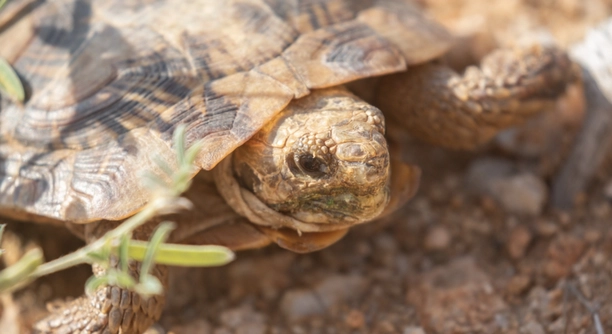
Pancake tortoises are unique and fascinating creatures, making them an interesting pet choice. These small, shelled reptiles require specific care to thrive and remain healthy. Understanding their needs is crucial to providing them with a comfortable environment.
To raise a happy and healthy pancake tortoise, focus on creating an appropriate habitat, offering a balanced diet, maintaining proper humidity and temperature levels, providing adequate space, ensuring proper hydration, regularly checking for signs of illness, and engaging in gentle handling.
Learning how to meet these needs can help ensure a long, healthy life for your pancake tortoise.
Habitat Setup for a Pancake Tortoise
Creating the right environment is essential for your pancake tortoise to thrive. These reptiles are native to rocky, arid areas of East Africa and need a habitat that closely mimics their natural surroundings. A spacious enclosure is necessary, with enough room for them to move freely. A tank that’s at least 40 gallons in size is ideal for a single adult tortoise. The enclosure should have a dry, warm area where the tortoise can bask, and a cooler area for resting. To recreate their natural habitat, you can add rocks or logs for climbing and hiding. The flooring should be easy to clean, such as sand or soil. Avoid using pine or cedar bedding, as the oils can be harmful.
Proper lighting is also a key part of their habitat. A UVB light is needed to help them process calcium and maintain their shell health. Additionally, providing access to clean water is essential for hydration. Keep the water shallow to prevent drowning, and clean it regularly. The right setup will make all the difference in your tortoise’s well-being.
Diet for a Healthy Pancake Tortoise
A balanced diet is vital to keeping your tortoise healthy and strong. They are herbivores, so they will thrive on a variety of leafy greens and vegetables. You can feed them dark, leafy greens such as dandelion greens, collard greens, and kale. Along with leafy greens, you can also offer vegetables like squash, carrots, and bell peppers. It’s important to offer a wide variety to ensure they get all the necessary nutrients.
In addition to vegetables, providing calcium supplements is crucial for shell development. You can dust their food with a calcium powder or offer calcium-rich foods like cuttlebone. The tortoises will enjoy it and benefit from it.
Temperature and Humidity Control
Maintaining the right temperature and humidity levels is essential for your pancake tortoise’s health. These reptiles thrive in warm conditions, with a temperature range of 85-95°F (29-35°C) during the day. The cooler side of the enclosure should be kept between 75-85°F (24-29°C). You can achieve this by using a heat lamp on one side of the tank, allowing the tortoise to regulate its body temperature by moving between the warm and cool areas.
Humidity is another important factor to consider. While pancake tortoises are native to arid regions, they still require a certain level of humidity to keep their skin and respiratory system healthy. The ideal humidity level should be between 50-60%. To maintain proper humidity, you can mist the enclosure daily or use a humidity gauge to monitor the levels. Too much or too little humidity can cause health problems, so it’s essential to keep it balanced.
Handling and Interaction with Your Tortoise
It’s important to handle your pancake tortoise gently. These reptiles can become stressed if handled too much or too roughly. When interacting with your tortoise, try to keep it brief and calm. Always support their body fully to avoid any discomfort. They are naturally shy and prefer their space, so it’s essential not to force them out of their shell.
However, occasional, gentle interaction can help with socialization. Tortoises may begin to recognize you and feel more comfortable around you. Over time, you may notice that they come out of their shell more frequently, but they still require solitude. Be mindful of their needs for peace and quiet, especially when they are eating or resting.
Health Monitoring and Illness Prevention
Regular health checks are crucial for your pancake tortoise. Watch for signs of illness, such as changes in appetite, lethargy, or unusual behavior. These could be early indicators of health problems, such as respiratory infections or shell rot. Keep a close eye on their skin and shell for any visible issues.
To prevent common illnesses, maintain a clean environment, as bacteria can quickly build up in their habitat. Regularly clean their enclosure and water bowl, and avoid overcrowding. Make sure they get enough UVB light and calcium, which are key to their overall health. If you notice any issues, don’t hesitate to consult a veterinarian experienced in reptile care.
Socialization and Interaction
Pancake tortoises are solitary animals and don’t require much interaction. Unlike some pets, they won’t seek affection or attention. However, they can tolerate limited socialization, so it’s best to approach them gently. Avoid forcing interaction, as they can become stressed.
When handling your tortoise, keep sessions short and allow them to retreat to their shell when they feel uncomfortable. Over time, they may recognize you and become more relaxed around you. While they may not be cuddly, you can still enjoy watching their unique behaviors and movements. Treat them with respect, and they will flourish in their space.
Water and Hydration
It’s essential to ensure your pancake tortoise has access to clean water at all times. Provide a shallow water dish that is easy for them to drink from without risking drowning. Change the water daily to keep it fresh and free of bacteria.
You can also mist their enclosure occasionally to increase humidity, which will help with hydration. This is especially important in drier environments where the air may be too dry for them to thrive. Make sure the humidity is just right to prevent dehydration and help them stay healthy.
Shell Care and Maintenance
Pancake tortoises have unique, flat shells that need proper care to stay strong. Regularly check for signs of injury or infection. Shells that appear soft or discolored can indicate a nutritional deficiency or illness. Make sure your tortoise gets enough calcium and UVB exposure.
To keep their shell in good condition, avoid rough handling and ensure they have a suitable environment. They will naturally shed the outer layers of their shell, but this should occur without issue. Watch for any unusual growths or changes, and take them to a vet if needed.
Exercise and Mental Stimulation
Pancake tortoises are naturally active and curious. To keep them healthy, make sure they have space to move around. Include rocks, logs, or other items in their habitat to encourage climbing and exploration. This promotes both physical exercise and mental stimulation.
A lack of stimulation can lead to stress and health problems, so it’s important to provide opportunities for exploration. Ensure that their environment offers enough complexity to keep them engaged. By mimicking their natural habitat, you’ll help them maintain a balanced and healthy lifestyle.
FAQ
How often should I feed my pancake tortoise?
Feed your pancake tortoise every other day, offering a variety of fresh leafy greens and vegetables. Avoid overfeeding, as they can become overweight. Make sure to adjust their diet based on their size and age. Juvenile tortoises may require more frequent feedings, while adults can be fed less often.
What type of lighting does my pancake tortoise need?
Your pancake tortoise requires UVB lighting to help process calcium and maintain a healthy shell. A UVB bulb should be used for 10-12 hours a day. Ensure the light is placed close enough to your tortoise but not so close that it can cause burns.
Can pancake tortoises live with other animals?
It’s best to keep pancake tortoises alone or with other tortoises of the same species. They are territorial and can become stressed when housed with other animals. If you choose to house more than one, ensure they have plenty of space to avoid conflict.
How do I know if my pancake tortoise is sick?
Look for signs like loss of appetite, excessive lethargy, or noticeable changes in their shell or skin. Discharge from the nose or eyes, as well as difficulty breathing, could indicate respiratory issues. Any unusual behavior or visible injury should prompt a visit to a reptile veterinarian.
What’s the best substrate for a pancake tortoise?
A good substrate for your pancake tortoise includes sand, soil, or a mix of both. Avoid using pine or cedar chips, as they contain oils that can harm reptiles. Ensure the substrate is dry and clean to avoid bacteria build-up, which could lead to health issues.
How can I tell the age of my pancake tortoise?
Estimating the age of a pancake tortoise can be tricky, but you can get an idea by measuring their size. Younger tortoises grow faster, while adults slow down. If you don’t know their exact age, you can also observe their shell pattern, as younger tortoises tend to have clearer growth lines.
What is the best temperature for a pancake tortoise?
The daytime temperature in your tortoise’s habitat should range from 85-95°F (29-35°C). The cooler side should be between 75-85°F (24-29°C). At night, the temperature can drop to around 70°F (21°C). Use a heat lamp or under-tank heating to maintain these temperatures.
Do pancake tortoises need calcium supplements?
Yes, pancake tortoises need calcium to maintain a strong shell. You can offer calcium supplements in powder form, sprinkling them over their food. Providing a cuttlebone is also a good source of calcium. Ensure they also have access to UVB lighting for proper calcium absorption.
How long do pancake tortoises live?
Pancake tortoises can live for 30 to 40 years in captivity if well cared for. With proper diet, habitat, and health monitoring, they can thrive for many years. However, this long lifespan means you’ll need to commit to their care for an extended period.
Can I take my pancake tortoise outside?
You can take your pancake tortoise outside for supervised playtime, but be cautious about the temperature and environment. Ensure the area is safe, free of predators, and has enough hiding spots for them to retreat to. Avoid extreme weather conditions, as they can cause stress or illness.
Why is my pancake tortoise not eating?
A lack of appetite in your pancake tortoise could be due to several factors, including temperature or humidity issues, stress, or illness. Check their habitat to ensure conditions are optimal. If their behavior persists, it may be time to consult a veterinarian.
How do I handle a pancake tortoise?
Handling should be kept to a minimum, as these tortoises can become stressed by excessive handling. Always support their body when picking them up, and never pick them up by the tail or legs. Let them explore and retreat to their shell if they feel unsafe.
What should I do if my pancake tortoise has shell rot?
Shell rot is a serious condition that requires immediate attention. It is often caused by bacteria or fungus. If you notice soft or discolored areas on the shell, consult a reptile veterinarian right away. Proper treatment may include antibiotics, antifungals, and improvements to their living conditions.
Do pancake tortoises require humidity?
Yes, while they are from arid regions, pancake tortoises still need moderate humidity to stay healthy. Keep the humidity between 50-60% to prevent dehydration and skin issues. Misting the enclosure occasionally or using a humidity gauge can help you maintain the right levels.
Can I breed my pancake tortoises?
Breeding pancake tortoises is possible but should be approached carefully. Mating may occur in the right environment, but it’s important to understand the specific needs of breeding tortoises. Ensure your female tortoise has plenty of space to lay eggs and that she receives adequate nutrition during this time.
What kind of enclosure is best for my pancake tortoise?
A glass tank or an outdoor enclosure is ideal for pancake tortoises. It should be spacious enough for them to roam and explore. The tank should have a secure lid to prevent escape. The enclosure should also have a warm basking area and a cooler zone for resting.
Can pancake tortoises climb?
Pancake tortoises are excellent climbers and enjoy exploring rocky surfaces. Adding rocks, logs, or ramps to their enclosure will provide opportunities for climbing and mental stimulation. These climbing structures mimic their natural habitat and help keep them active and engaged.
Final Thoughts
Caring for a pancake tortoise requires attention to detail and a commitment to creating the right environment for them to thrive. These tortoises are relatively low-maintenance, but they still need proper care, including a well-balanced diet, adequate hydration, and the right temperature and humidity levels. Setting up their enclosure to mimic their natural habitat will not only keep them healthy but also provide a comfortable space where they can roam and explore. Providing a variety of surfaces, like rocks and logs, is also essential for keeping them mentally stimulated and physically active.
Regularly checking for signs of health issues is important in ensuring your pancake tortoise lives a long and healthy life. Keeping an eye on their shell, skin, and overall behavior can help identify any potential problems early. If you notice anything unusual, it’s crucial to consult a reptile vet for advice. Remember, these tortoises live for several decades, so being prepared to care for them over the long term is key. As they age, their needs may change, and it’s essential to adapt their care routine accordingly.
Lastly, while pancake tortoises are hardy, they still require a safe and secure environment. Avoid keeping them with other animals that might cause stress or harm. Take the time to observe their behavior and ensure they are comfortable and happy in their home. By following the care guidelines outlined above, your pancake tortoise will have a chance to thrive in a well-maintained environment, providing you with many years of enjoyment.

Hello,
If you enjoy the content that we create, please consider saying a "Thank You!" by leaving a tip.
Every little bit helps us continue crafting quality advice that supports the health, happiness, and well-being of pets around the world, for pets of all shapes, sizes, and species.
We really appreciate the kindness and support that you show us!