
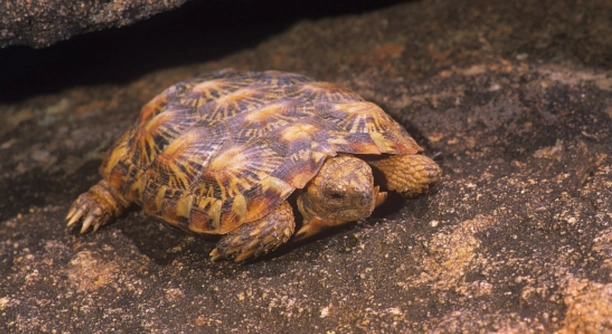
Pancake tortoises are fascinating creatures, but if you’ve noticed strange clicking noises, it might be unsettling. These sounds can be attributed to a variety of factors, and understanding their cause can help ensure your tortoise stays healthy.
The clicking noises are often caused by issues like respiratory infections, stress, or even the natural movement of their body parts. Understanding the possible reasons can help you address the issue promptly and maintain the well-being of your tortoise.
Discovering the source of these clicking sounds will help you take the right steps to care for your pancake tortoise effectively.
Respiratory Infections and Their Impact
Respiratory infections are a common reason for clicking sounds in pancake tortoises. These infections can result from poor living conditions, such as high humidity or temperature fluctuations, or exposure to drafts. If your tortoise’s environment isn’t optimal, their respiratory system can become stressed, leading to abnormal noises. This issue can worsen if not addressed quickly.
If your pancake tortoise is showing signs of a respiratory infection, like wheezing or labored breathing, it’s essential to adjust their habitat. Ensure proper ventilation, maintain stable temperatures, and avoid excessive humidity. Immediate veterinary attention is crucial for proper treatment to prevent long-term damage.
In more severe cases, respiratory infections can lead to further complications like pneumonia. This can make breathing more difficult, and you may notice a decline in your tortoise’s overall health. Taking proactive steps to correct the environment and providing a clean, safe space for your tortoise to thrive will help prevent infections and the accompanying clicking noises.
Stress and Anxiety
Stress can also cause your tortoise to make clicking noises. These tortoises are sensitive to changes in their environment, such as sudden movements or loud noises.
If your tortoise is stressed, it may start to exhibit unusual behaviors, including clicking sounds. Try to minimize disruptions and ensure a calm, quiet environment to help reduce anxiety.
Natural Movements of the Body
Sometimes the clicking sounds come from the natural movements of a pancake tortoise’s body. Their unique shell structure and limbs can create noise as they move around, especially when climbing or shifting position. These noises are typically harmless and are just part of their normal behavior.
As tortoises move, their limbs and shell may rub against each other, creating faint clicking sounds. This can occur during stretching, turning, or adjusting posture. If there are no signs of illness or discomfort, it’s likely just a part of their normal routine. This natural sound is nothing to worry about.
However, if the clicking becomes more frequent or is accompanied by signs of distress, like irregular breathing or lethargy, it might indicate another underlying issue. In such cases, a veterinary check-up would help rule out any other potential concerns.
Shell or Bone Issues
Shell or bone problems can lead to unusual sounds, including clicking. If the tortoise’s shell or skeletal structure is damaged or not properly aligned, movement can cause more noticeable sounds. Improper diet or injury may contribute to this.
Tortoises rely on their shells for protection, and any deformity or injury can affect their movements. A crack or fracture in the shell can cause clicking noises when the tortoise moves. Additionally, if their bones are not strong enough due to a lack of proper calcium, they may make more pronounced sounds when moving.
Providing a diet rich in calcium and ensuring your tortoise has the correct environment can help prevent these issues. If you suspect shell damage, it’s important to seek advice from a veterinarian for proper treatment.
Illness or Injury
Injury or illness can cause clicking sounds as your tortoise moves. If they’re in pain or discomfort, the sound may be a result of trying to adjust their body to avoid strain. It’s important to monitor their behavior for other symptoms.
Signs like limping or reluctance to move should raise concern. A visit to the vet will help determine if the tortoise has any injuries or health issues. Early detection and treatment can prevent further complications, so don’t ignore any change in your tortoise’s behavior.
Environmental Factors
Environmental factors like humidity and temperature fluctuations can contribute to clicking noises. If the habitat is too dry or too damp, it can cause stress and affect your tortoise’s movements.
Ensure the habitat is set up with the right levels of humidity and temperature. This promotes comfort and helps reduce unnecessary noise. Regularly checking the habitat’s conditions will go a long way in keeping your pancake tortoise happy and healthy.
Overcrowding
Overcrowding in a tortoise’s habitat can cause stress and result in abnormal sounds. If there are too many tortoises in a confined space, they may bump into each other, causing clicking noises.
To reduce this, make sure each tortoise has enough space to move around freely. A spacious, well-designed habitat will minimize stress and prevent these sounds from becoming frequent.
FAQ
Why is my pancake tortoise making clicking sounds?
Clicking sounds from your pancake tortoise can happen for various reasons. It could be a result of natural movement, stress, respiratory infections, or even injuries. The noises might also come from a misalignment in their shell or bones. If the sound persists, it’s important to monitor for other signs like changes in behavior, difficulty moving, or changes in eating habits. If the sounds are accompanied by distress, it’s best to visit a veterinarian.
How can I tell if my tortoise is stressed?
Stress in pancake tortoises can manifest through various behaviors, such as hiding, lethargy, or a sudden decrease in appetite. Other signs may include pacing or excessive scratching at their enclosure. If the tortoise seems more restless than usual or appears to be trying to escape, it could be stressed. Environmental changes, loud noises, or overcrowding can be contributing factors to stress.
Can a clicking sound be caused by a respiratory infection?
Yes, respiratory infections are a common cause of clicking sounds. These infections often result from poor environmental conditions like incorrect humidity, temperature extremes, or drafts. If your tortoise has a wheezing or labored breath alongside the clicking noise, a respiratory infection could be the cause. A vet visit is necessary for diagnosis and treatment to prevent complications.
What can I do to prevent clicking sounds from my tortoise?
To prevent clicking sounds, ensure that your pancake tortoise has a proper living environment. This includes maintaining the right temperature and humidity levels, reducing stressors, and providing enough space. Regularly cleaning the habitat and providing a balanced diet rich in calcium can also help maintain bone and shell health, reducing the risk of noises caused by injuries or improper movement.
Can clicking noises indicate shell damage?
Yes, clicking noises may come from shell damage. If there is a crack or a misalignment in the shell, it can cause friction when your tortoise moves. If the clicking sound is accompanied by visible cracks or abnormalities in the shell, it’s crucial to get your tortoise checked by a vet. In some cases, shell repair may be necessary.
Should I be worried if my tortoise makes clicking sounds occasionally?
Occasional clicking sounds can be normal, especially if they happen during movement. Tortoises often make sounds due to the natural shifting of their shell and limbs. However, if the sounds become more frequent, louder, or are accompanied by signs of distress, illness, or injury, it’s important to investigate further. Regular monitoring of your tortoise’s health will help you address any concerns early.
What should I do if my tortoise shows signs of illness?
If your pancake tortoise shows signs of illness, such as a decrease in appetite, lethargy, difficulty moving, or abnormal breathing sounds, it’s important to seek veterinary care right away. Timely treatment can prevent the condition from worsening. In the meantime, ensure that your tortoise’s habitat is at the correct temperature, humidity, and cleanliness to reduce additional stress.
Can overcrowding cause clicking noises?
Yes, overcrowding can lead to stress, which may result in clicking sounds. If there are too many tortoises in a small area, they may accidentally bump into each other or exhibit stressed behavior. It’s important to give each tortoise enough space to move freely and comfortably to minimize stress-related sounds. The more spacious and calm the environment, the less likely your tortoise will make unnecessary noises.
How can I help my pancake tortoise feel less stressed?
To reduce stress in your pancake tortoise, ensure they have a calm and quiet environment. Avoid loud noises and sudden movements that could startle them. Keep their habitat clean and comfortable, with proper temperature and humidity. If your tortoise is housed with other tortoises, ensure there is enough space for everyone to move without feeling crowded. Also, avoid handling your tortoise too much, as excessive handling can cause stress.
What environmental factors could cause clicking noises?
Environmental factors such as incorrect temperature, humidity, or air quality can contribute to clicking sounds. A sudden temperature drop or excessive humidity can stress your tortoise and affect their respiratory system, leading to clicking noises. Make sure the enclosure is properly set up with a stable temperature and humidity level appropriate for a pancake tortoise. Keeping the enclosure draft-free will also help in reducing stress.
Can poor diet lead to clicking sounds?
Yes, poor diet can lead to bone and shell issues, which could cause clicking sounds when your tortoise moves. A lack of calcium, in particular, can weaken their bones and shell, making them more susceptible to damage. Make sure your tortoise receives a balanced diet, rich in calcium and other essential nutrients. If you’re unsure, consult a vet for dietary recommendations tailored to your tortoise’s needs.
Final Thoughts
In conclusion, clicking sounds in pancake tortoises can have various causes, from environmental factors to health issues. While occasional sounds might not be a cause for concern, it’s essential to monitor your tortoise for other signs of distress, injury, or illness. Understanding the root cause of these noises will help ensure that your tortoise remains healthy and comfortable. A calm, stable environment and proper care are key to reducing these sounds and preventing further complications.
If the clicking becomes more frequent or is accompanied by other troubling signs, it’s wise to seek veterinary care. Tortoises can sometimes hide signs of illness, so staying vigilant is important. Ensuring that their habitat is set up with appropriate humidity, temperature, and space can go a long way in keeping them stress-free. Regular health checks, along with providing the right diet, are essential to maintaining your tortoise’s well-being and minimizing any unwanted sounds.
Ultimately, taking proactive steps to maintain a suitable living environment for your pancake tortoise will help keep clicking noises at bay. Be mindful of their health, diet, and habitat conditions to avoid unnecessary stress. If you notice any concerning changes, don’t hesitate to reach out to a vet for further advice. With proper care, your tortoise can live a long, happy life with minimal issues.

Hello,
If you enjoy the content that we create, please consider saying a "Thank You!" by leaving a tip.
Every little bit helps us continue crafting quality advice that supports the health, happiness, and well-being of pets around the world, for pets of all shapes, sizes, and species.
We really appreciate the kindness and support that you show us!