
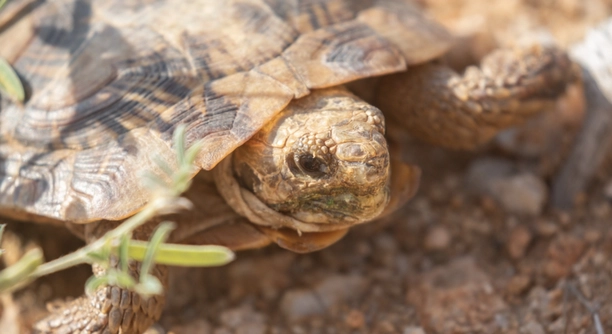
Pancake tortoises are fascinating creatures, but like all animals, they can face health challenges. Weak legs in pancake tortoises are a serious concern and can stem from various factors. Addressing these issues early is crucial.
Several factors can cause pancake tortoises to develop weak legs. These include poor diet, inadequate exercise, improper habitat conditions, and genetic factors. Each of these can affect their bone development and overall strength. Proper care is essential for their well-being.
Understanding the causes of weak legs in pancake tortoises will help ensure they live a healthier life. The next section will discuss practical solutions for this common issue.
Poor Diet and Its Effects on Weak Legs
A poor diet is one of the most significant contributors to weak legs in pancake tortoises. These creatures require a balanced diet to maintain strong bones and muscles. Without the right nutrients, they may develop joint problems or muscle weakness. A lack of calcium and vitamins like D3 can lead to metabolic bone disease, which weakens their bones over time. Additionally, a diet too high in protein or low in fiber can have a negative impact on their health. Providing a variety of foods, including dark leafy greens, grass, and calcium-rich items like cuttlebone, can support strong leg development.
Feeding your pancake tortoise the right food can help avoid many of the leg issues they may face. It’s essential to regularly monitor their diet to ensure they get a balanced, nutrient-rich meal.
Calcium and fiber are key elements in your tortoise’s diet. Without them, even the best intentions for care won’t fully protect them from leg weakness. Regularly adding calcium supplements or feeding high-calcium foods can help support their bones, ensuring they grow stronger.
Lack of Exercise and Activity
Insufficient physical activity can lead to weak leg muscles in pancake tortoises. Like any animal, tortoises need to move regularly to keep their muscles strong and their joints flexible. Without enough space to roam and climb, they may not develop the strength they need to support their bodies properly. It’s important to provide your tortoise with an enclosure that allows them to walk, climb, and explore. This helps them stay active and build muscle tone, which is necessary for maintaining healthy legs. When they are confined to small spaces without stimulation, their leg muscles can become weak and underdeveloped.
Making sure your tortoise gets enough exercise is critical for its overall health. Not providing an active environment can result in long-term mobility problems.
Providing a larger, more enriched space for your pancake tortoise to roam will keep their muscles strong. Interactive environments encourage movement and muscle growth, helping prevent leg issues.
Inadequate Habitat Conditions
An unsuitable habitat can contribute to weak legs in pancake tortoises. Too much moisture, inadequate temperature, or poor lighting can affect their physical health. Pancake tortoises thrive in a dry, warm environment with proper UVB lighting to help them metabolize calcium. Without these conditions, they may suffer from bone issues, including weak legs. Additionally, having insufficient hiding spots and climbing surfaces can lead to inactivity, further weakening their legs.
It’s essential to mimic their natural habitat as much as possible. Ensure your tortoise has a dry, warm environment with consistent heat and UVB light exposure to promote healthy leg development. A proper setup supports both their physical and mental well-being.
The right habitat plays a major role in preventing leg weakness. Too high or low humidity can affect the tortoise’s bones, while improper lighting can hinder calcium absorption. A consistent environment encourages both activity and the proper nutrients for bone strength, directly affecting their mobility.
Genetic Factors
Genetic factors can sometimes lead to weak legs in pancake tortoises. Some tortoises are born with weaker bones or joints due to inherited traits. Though genetics play a smaller role than other factors, it can still cause issues. If a tortoise has a genetic predisposition to weak legs, they may be more prone to developing leg weakness even with a proper diet and habitat.
While you can’t change genetics, proper care can help mitigate the effects. Regular vet check-ups can help identify any underlying health issues early, allowing you to adjust care as needed. A supportive environment and diet can go a long way in helping your tortoise thrive.
Understanding genetic predispositions allows you to provide more tailored care for your pancake tortoise. Even with genetic limitations, early intervention and proactive care can help minimize the impact of weak legs. Keep a close eye on their development, especially if they show signs of weakness.
Dehydration
Dehydration is another common factor contributing to weak legs in pancake tortoises. When these tortoises do not receive enough water, their overall health can decline. Dehydration can affect their muscles, bones, and digestion. It’s crucial to ensure they always have access to fresh water, as dehydration can lead to more serious problems.
By monitoring their water intake and ensuring they stay hydrated, you can prevent muscle weakness and other health issues. Providing a shallow dish of water will allow them to drink as needed, helping to maintain their strength and prevent leg problems.
Dehydration can be subtle, but over time, it weakens a tortoise’s body. It impacts not only their legs but also other vital functions. If a tortoise isn’t drinking enough, it may experience muscle cramping, sluggishness, and reduced mobility. Keeping them hydrated supports healthy bone and muscle function.
Overfeeding
Overfeeding pancake tortoises can also lead to weak legs. A diet too rich in fats or proteins can cause them to become overweight. Extra weight can put additional strain on their legs and joints. It’s important to avoid overfeeding and stick to appropriate portion sizes to keep them healthy.
Monitor their weight regularly to ensure they are not gaining too much. A proper feeding schedule with appropriate portions will help prevent unnecessary weight gain that could affect their legs and overall mobility.
Feeding them the right amount helps keep their bones and joints strong. Too much food leads to excess weight, which causes stress on their limbs. Maintaining a balanced diet ensures your tortoise remains active and has strong legs, free from added strain.
FAQ
What is the best way to prevent weak legs in pancake tortoises?
To prevent weak legs in pancake tortoises, make sure they have a proper diet with sufficient calcium, fiber, and vitamins. Ensure their habitat is warm and dry with appropriate UVB lighting to aid calcium absorption. Provide them with plenty of space to move around and explore. Regular exercise is crucial, so include climbing surfaces and hiding spots to encourage activity. Avoid overfeeding, as excess weight can strain their legs. By focusing on their overall care, you can help prevent leg weakness.
How can I tell if my pancake tortoise is suffering from weak legs?
Signs of weak legs in pancake tortoises include difficulty walking or moving, wobbling, or dragging their legs. They might also have trouble climbing or lifting their body off the ground. If your tortoise seems sluggish, has an abnormal gait, or refuses to move much, it could indicate weakness in their legs. It’s important to check their weight, as being too heavy or too light can also be a sign of underlying health issues.
Is there a specific age when pancake tortoises are more prone to weak legs?
Pancake tortoises can develop weak legs at any age, but young tortoises are more vulnerable due to their developing bones and muscles. Improper diet or insufficient exercise during their early growth stages can have long-lasting effects. However, older tortoises may also face leg issues due to natural wear and tear or inadequate care over time. Regular check-ups and consistent care throughout their life can help address these problems early.
Can genetics play a role in weak legs?
Yes, genetics can play a role in weak legs, although it is less common. Some pancake tortoises may have inherited weaker bones or joints, making them more susceptible to leg weakness, even with optimal care. While genetics cannot be changed, proper care can help minimize the impact of these genetic traits. If you suspect your tortoise has a genetic predisposition, it’s important to monitor their health closely and make any necessary adjustments to their care.
How much exercise do pancake tortoises need to stay healthy?
Pancake tortoises need regular exercise to keep their muscles strong and their legs healthy. They should have access to an enclosure that encourages movement, such as climbing structures and space to roam. Aim for at least 1-2 hours of active time outside their shelter every day. A larger enclosure will allow them to explore more and engage in natural behaviors. Exercise prevents muscle atrophy and supports healthy leg development.
Can dehydration cause long-term leg problems for pancake tortoises?
Yes, dehydration can cause long-term problems for pancake tortoises, including weak legs. Dehydration affects their muscle and joint function, leading to weakness and stiffness. Without enough water, their muscles cannot function properly, which may result in limping or difficulty moving. Make sure your tortoise has constant access to fresh water, especially during warmer months. You can also provide water through misting or adding water-rich foods to their diet, like leafy greens.
How can I improve my pancake tortoise’s diet to help strengthen its legs?
To strengthen your pancake tortoise’s legs, ensure its diet is rich in calcium, fiber, and vitamins. Offer a variety of dark leafy greens like kale, collard greens, and dandelion leaves, as these are high in calcium. You can also provide cuttlebone or calcium supplements. Limit high-protein foods like commercial pellets, as too much protein can contribute to imbalanced bone growth. Include fiber-rich grasses and plants to support their digestive system, which in turn promotes healthy muscle and bone development.
Are there any common mistakes that lead to weak legs in pancake tortoises?
Common mistakes include feeding your tortoise an improper diet, such as too much protein or not enough calcium, which can lead to metabolic bone disease. Another mistake is providing insufficient exercise or a too-small enclosure, limiting their ability to move and build muscle. Poor habitat conditions, like improper humidity or temperature, can also weaken bones and joints. Overfeeding and not monitoring your tortoise’s weight can cause them to gain too much weight, putting strain on their legs. It’s important to avoid these mistakes by creating a well-balanced, safe environment for your tortoise.
Can weak legs in pancake tortoises be treated or reversed?
If weak legs are detected early, treatment can help improve the condition. Ensuring your tortoise has a proper diet with enough calcium, providing regular exercise, and adjusting their habitat can strengthen their legs over time. In some cases, a vet may recommend calcium supplements or physical therapy to help with muscle weakness. However, if the issue has progressed too far, the damage may be irreversible. Regular check-ups are key in addressing these issues before they become serious.
Is it safe to handle pancake tortoises if they have weak legs?
If your pancake tortoise has weak legs, it’s important to handle them gently to avoid causing further stress or injury. Overhandling can exacerbate the weakness, so it’s best to minimize handling while they recover. Create a comfortable environment with plenty of space to encourage them to move on their own. If necessary, consult a vet for advice on how to handle your tortoise safely during this time.
Final Thoughts
Pancake tortoises are unique and delicate creatures that require proper care to thrive. Their legs are essential for mobility and overall health, so it’s crucial to address any issues that could lead to weakness. By providing a balanced diet, proper hydration, and regular exercise, you can prevent leg problems and help your tortoise stay strong and active. Monitoring their weight, ensuring they don’t become overweight, and avoiding overfeeding will also reduce unnecessary strain on their legs.
Additionally, creating a safe and spacious habitat is important for a pancake tortoise’s well-being. They need room to explore and climb, as this helps strengthen their muscles and bones. Proper temperature and humidity levels, along with access to UVB light, support their overall health. Regular veterinary check-ups can also help identify any potential issues early on, allowing for timely treatment and intervention.
In the end, understanding the factors that contribute to weak legs in pancake tortoises will help you provide better care. Through consistent attention to their diet, exercise, hydration, and environment, you can ensure your tortoise lives a long, healthy life. By keeping an eye on their physical health and making adjustments as needed, you’ll be taking proactive steps to prevent leg weakness and other health concerns.

Hello,
If you enjoy the content that we create, please consider saying a "Thank You!" by leaving a tip.
Every little bit helps us continue crafting quality advice that supports the health, happiness, and well-being of pets around the world, for pets of all shapes, sizes, and species.
We really appreciate the kindness and support that you show us!