
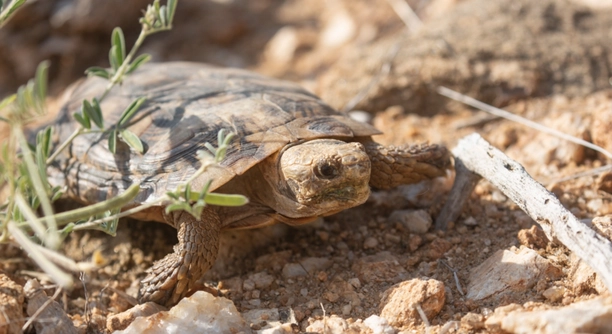
Pancake tortoises are fascinating creatures known for their unique appearance and slow-growing nature. Their growth rate can be influenced by several factors that are important to their overall health and well-being.
The growth rate of pancake tortoises is influenced by factors such as diet, habitat conditions, temperature, and genetics. Providing a balanced diet and suitable environmental conditions can promote healthy growth and development for these remarkable reptiles.
Understanding these key factors is essential for supporting a pancake tortoise’s growth and development. Ensuring the right conditions can make a noticeable difference in their well-being and longevity.
Diet and Nutrition
A pancake tortoise’s growth is significantly influenced by its diet. These tortoises need a well-balanced and varied diet to grow at a healthy rate. Their food should include leafy greens, grasses, and some fruits. A lack of proper nutrition can result in slow or stunted growth. Offering a variety of plants ensures they receive essential nutrients like fiber, vitamins, and minerals. Additionally, calcium is crucial for shell development and overall health. A good calcium source, such as cuttlebone or calcium-rich greens, should be part of their regular meals.
Their diet should mimic the food they would naturally eat in the wild. Regularly providing a mix of plants will help them maintain a balanced intake of nutrients. This approach encourages healthy bone growth and shell development.
Ensuring a proper diet not only aids in growth but also supports their immune system, making them less vulnerable to illness. By staying mindful of their nutritional needs, you contribute to the health of your tortoise.
Temperature and Environment
Temperature plays a significant role in how a pancake tortoise grows. These reptiles thrive in warm environments, which help them digest their food properly and maintain overall health.
To keep your pancake tortoise growing at a healthy rate, you must maintain a warm habitat. The optimal temperature range is between 80°F to 90°F during the day, with a basking area that reaches around 95°F. At night, temperatures should drop to around 70°F to simulate a natural environment. A heat source, such as a heat lamp, is vital to replicate these conditions in captivity.
In addition to temperature, humidity is another factor to consider. While pancake tortoises don’t require excessive moisture, they do need a slightly humid environment. This helps with proper hydration and skin shedding. It also prevents issues with respiratory health. A well-maintained, warm environment will allow your tortoise to thrive and grow as expected.
Genetics
Genetics play a key role in determining the growth rate of a pancake tortoise. The genes inherited from their parents influence not only their size but also how quickly they develop.
While diet and environment can speed up or slow down growth, genetics set the foundation. Tortoises from larger parents may grow faster and bigger, while those from smaller stock could take longer to reach full size. Additionally, certain genetic traits may affect their overall health and how efficiently they can absorb nutrients.
Healthy genetics can also contribute to stronger immune systems, leading to better overall growth. Tortoises with weaker genetics might face more challenges, resulting in slower development. Proper care can help manage these factors, but genetics will always be an underlying influence.
Activity and Exercise
Physical activity is essential for maintaining a healthy growth rate in pancake tortoises. These tortoises need enough space to move around and stretch their legs.
A tortoise that is allowed to roam and explore will likely grow more robust and healthy than one kept in a small enclosure. Regular movement stimulates their muscles and bones, contributing to overall development. It’s also an opportunity for them to forage, which naturally promotes a balanced diet.
In captivity, it’s important to provide opportunities for your tortoise to move freely in a safe area. Avoid overcrowding the enclosure, as this can limit their ability to move around. A well-exercised tortoise is more likely to have steady growth and a better quality of life.
Stress
Stress can negatively impact a pancake tortoise’s growth rate. Tortoises that are stressed may show signs of poor appetite or lethargy.
Environmental factors such as overcrowding, frequent handling, or loud noises can cause stress. A stressed tortoise may also experience a weakened immune system, leading to health issues that slow growth. Reducing these stressors is key to supporting their growth.
Creating a calm, quiet environment where they feel safe is crucial. Allow them to settle in and avoid frequent disturbances. This helps them feel secure, promoting better eating habits and healthy growth.
Health
A pancake tortoise’s health directly affects its ability to grow. Illness or injury can delay development and prevent them from reaching their full potential.
Regular check-ups with a vet can help prevent or address any underlying health issues. Common problems, like parasites or respiratory infections, can lead to slowed growth. Ensuring proper care and early detection of illness will help avoid setbacks. Keeping their environment clean and providing balanced nutrition also contributes to maintaining good health.
A healthy tortoise will grow steadily and show signs of a robust shell and active behavior. Ensuring good health is essential for optimal growth and longevity.
FAQ
What is the ideal temperature for a pancake tortoise?
The optimal temperature range for a pancake tortoise is between 80°F to 90°F during the day. A basking spot should be around 95°F to provide extra warmth. At night, temperatures can drop to around 70°F, mimicking natural day-night cycles. Providing these conditions allows the tortoise to digest food properly and maintain healthy growth.
How often should I feed my pancake tortoise?
A pancake tortoise should be fed daily, offering a variety of leafy greens, grasses, and small amounts of fruit. Feeding them at the same time every day helps establish a routine. It’s essential to provide fresh, clean food daily and remove any uneaten food after a few hours to maintain a clean environment.
Can I house multiple pancake tortoises together?
It’s best to house pancake tortoises separately, especially males, as they can become territorial and aggressive. If you decide to keep more than one, ensure that each tortoise has its own space to roam and bask. Overcrowding can lead to stress, which affects their health and growth.
How can I tell if my pancake tortoise is growing properly?
You can track your pancake tortoise’s growth by measuring its shell length over time. Healthy growth will result in consistent size increases. A well-fed tortoise with a properly shaped, hard shell is a good sign of healthy development. If your tortoise seems smaller or more lethargic than usual, it could indicate a problem.
What should I do if my pancake tortoise isn’t eating?
If your pancake tortoise isn’t eating, check the temperature of its enclosure first. A cold environment may cause a lack of appetite. Stress, illness, or improper diet can also lead to loss of appetite. If the problem persists, it’s advisable to consult a veterinarian for advice.
Can I give my pancake tortoise fruits and vegetables?
Yes, you can feed your pancake tortoise fruits and vegetables, but they should be given in moderation. Offer dark leafy greens like kale and dandelion leaves as the main part of their diet. Fruits, like berries, should be an occasional treat since they’re high in sugar.
How big will my pancake tortoise get?
Pancake tortoises generally reach a size of 6 to 10 inches in shell length when fully grown. However, their growth rate can vary depending on genetics, diet, and environment. Tortoises from larger parents may grow faster and larger, while smaller tortoises may take longer to reach their full size.
What is the lifespan of a pancake tortoise?
Pancake tortoises can live for 30 to 50 years in captivity with proper care. Their lifespan can be influenced by factors such as diet, environment, and genetics. A healthy, well-cared-for tortoise will typically live a long and thriving life.
How can I provide the right humidity for my pancake tortoise?
Pancake tortoises need moderate humidity to stay hydrated and maintain healthy skin. Keeping the humidity level around 50% to 60% is usually sufficient. You can achieve this by misting the enclosure or using a humidity gauge to monitor the levels. Ensure the environment is not too damp to avoid respiratory issues.
What should I do if my pancake tortoise is not growing?
If your pancake tortoise isn’t growing, first check its diet and habitat conditions. Ensure it has access to a balanced, nutritious diet and the right environmental temperature. If the tortoise is still not growing, it could be due to stress, illness, or genetics, and you should seek advice from a reptile veterinarian.
Can I use tap water for my pancake tortoise?
It’s generally safe to use tap water for your pancake tortoise, but make sure the water is chlorine-free. If your local tap water contains chlorine or heavy metals, consider using filtered water or letting the water sit for 24 hours before offering it to your tortoise. This helps remove harmful chemicals.
Do pancake tortoises need UV light?
Yes, pancake tortoises require UVB lighting to help them synthesize vitamin D3, which is essential for calcium absorption and shell health. A good quality UVB bulb should be provided in their enclosure. Make sure the light is on for about 12 hours a day to simulate natural sunlight exposure.
How do I keep my pancake tortoise’s enclosure clean?
Regularly clean your pancake tortoise’s enclosure by removing uneaten food, soiled bedding, and waste. Spot-clean the enclosure daily and do a more thorough cleaning once a week, replacing the bedding and disinfecting surfaces. Keeping the enclosure clean helps prevent bacteria buildup and promotes a healthy environment for your tortoise.
Is it okay to handle my pancake tortoise often?
While it’s fine to handle your pancake tortoise occasionally, avoid excessive handling. Constant handling can cause stress and disrupt their natural behaviors. Let them explore their environment at their own pace. If you do handle them, be gentle and allow them to feel safe and secure in your hands.
Can I feed my pancake tortoise only one type of food?
It’s important to provide a variety of foods to ensure your pancake tortoise receives all the necessary nutrients. Feeding them only one type of food, such as just lettuce or just fruit, can lead to deficiencies. A balanced, varied diet is key to their healthy growth and development.
Final Thoughts
Taking care of a pancake tortoise requires attention to several factors that influence its growth and health. Providing a balanced diet, maintaining the right temperature and humidity, and creating a stress-free environment are all crucial steps to ensure the tortoise grows at a healthy rate. Understanding these needs and meeting them will help your tortoise develop properly over time. It’s important to recognize that every tortoise is unique, so some may grow at a faster pace than others due to genetics. However, proper care can significantly support their overall well-being.
Patience is key when raising pancake tortoises. Their growth is typically slow, and they take several years to reach full size. Monitoring their growth and making sure their environment is suitable can make a noticeable difference. It’s important to provide a consistent routine for feeding, cleaning, and habitat maintenance. As these tortoises can live for many decades, investing time in their care will pay off in the long run. A healthy, well-cared-for tortoise will enjoy a longer, happier life.
Ultimately, your tortoise’s growth rate will be influenced by a combination of diet, environment, genetics, and overall health. By keeping these factors in mind and offering the best possible care, you can help your pancake tortoise thrive. Whether you’re new to tortoises or an experienced keeper, following these guidelines will give your pet the best chance to grow strong and healthy. With proper attention, your pancake tortoise will flourish, bringing joy and fascination for years to come.

Hello,
If you enjoy the content that we create, please consider saying a "Thank You!" by leaving a tip.
Every little bit helps us continue crafting quality advice that supports the health, happiness, and well-being of pets around the world, for pets of all shapes, sizes, and species.
We really appreciate the kindness and support that you show us!